Last updated November 24, 2026
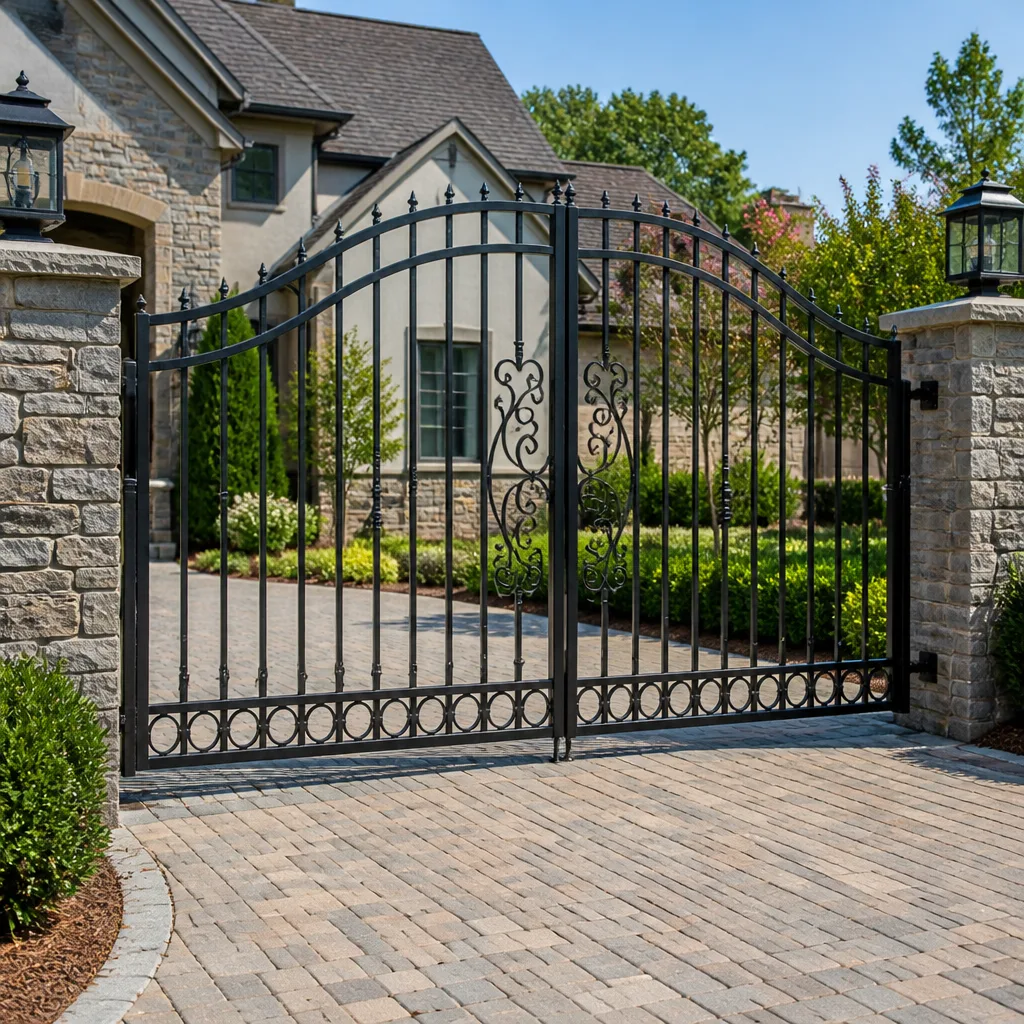 Wrought iron
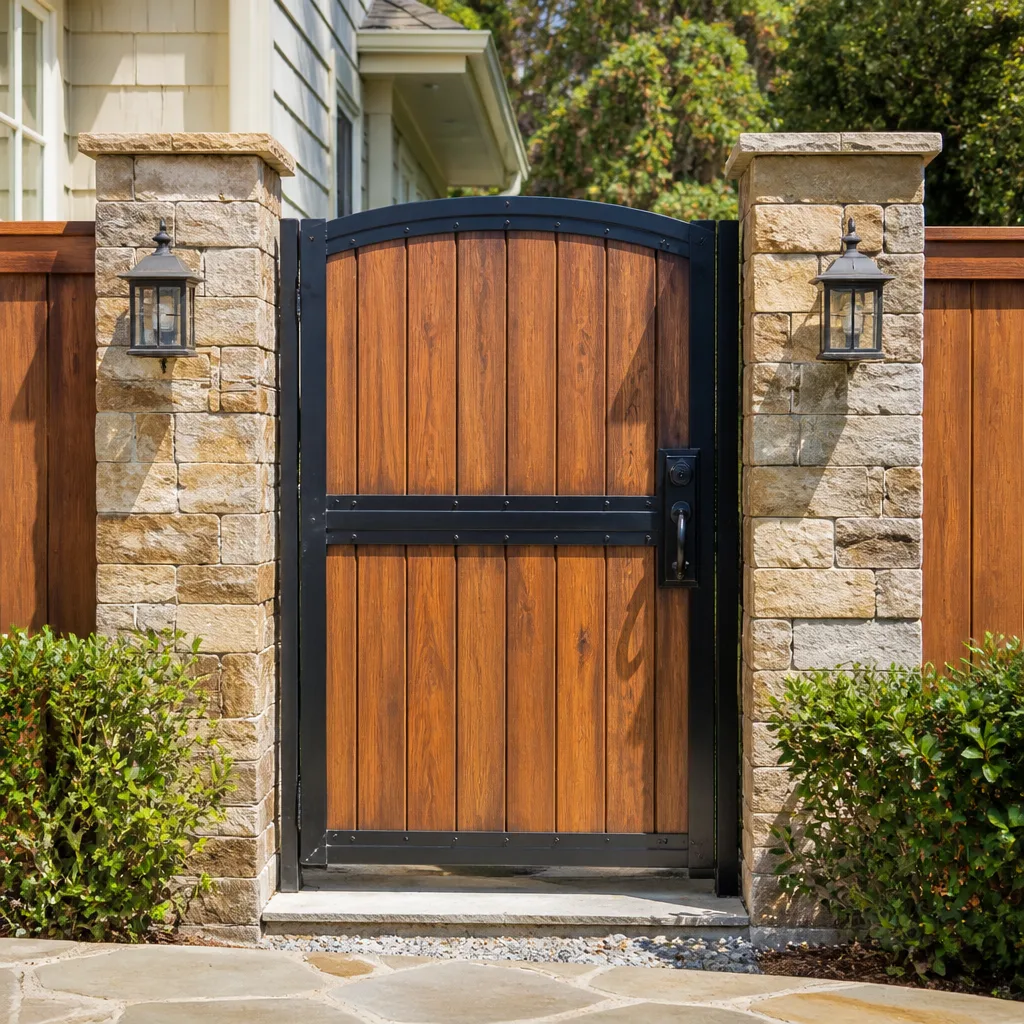 Wood & steel frame
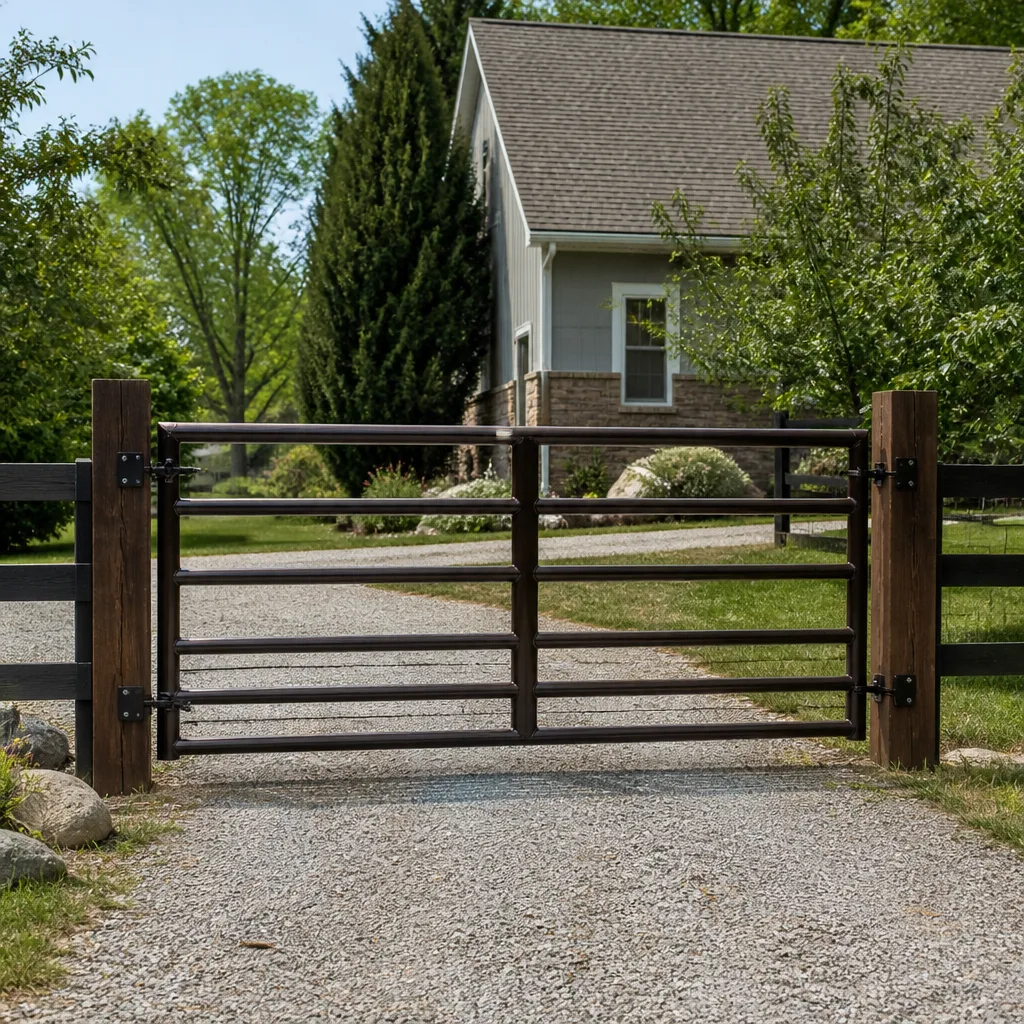 Farm & ranch
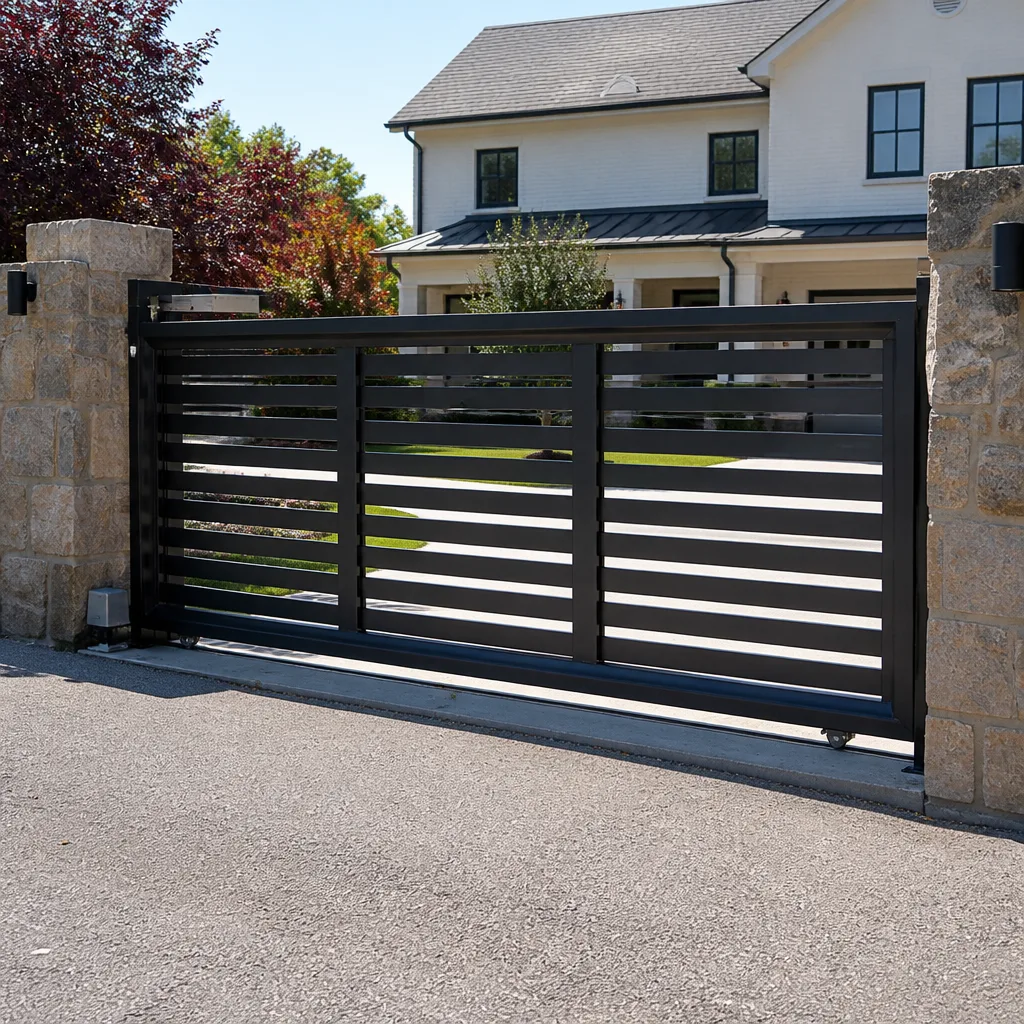 Sliding driveway gates
 LiftMaster operators
Free on-site gate assessment - hinges, posts, and your LiftMaster or Nice gate operator checked before anything is quoted
The assessment is free and the quote is the invoice.
Get your free estimateGate Repair Cost Breakdown: The West Hills Homeowner’s Reference for 2026
Two neighbors with the same symptom can face wildly different repair bills. The phrase “my gate won’t open” might mean a backup battery that quit overnight, or it might mean a failed logic board on a high-end commercial operator. The customer sees the same dead gate. The technician sees two completely different jobs. What separates an $85 fix from a four-figure repair isn’t the labor rate, and it isn’t the neighborhood. It’s which component failed and what brand of system it failed in. This guide breaks down realistic 2026 pricing by repair type, explains why brand tiers matter more than hourly rates, and gives West Hills homeowners a framework for reading a gate quote with actual context instead of guesswork.
Quick Answer
Gate repair in West Hills typically runs $85 to $650 for common component fixes and $650 to $2,200 or more for full operator replacement, depending almost entirely on which part failed and which brand system is installed. A diagnostic visit usually costs $75 to $150 and a legitimate company should credit that fee toward the repair if you proceed. Where quotes vary most isn’t labor – it’s parts cost across brand tiers, plus hidden factors like underground conduit damage or post re-setting that often don’t appear until the technician is on site.
Styles & brands we work with
- Wrought iron
- Wood & steel frame
- Farm & ranch
- Sliding driveway gates
- LiftMaster operators
Table of Contents
- What Does a Diagnostic Visit Cost in West Hills?
- Component-by-Component Repair Costs for 2026
- Why FAAC and BFT Cost More Than LiftMaster and Mighty Mule
- Repair or Replace: Where the Inflection Point Actually Sits
- Hidden Cost Factors on West Hills Properties
- How a Typical Diagnostic and Repair Visit Goes
- Reading a Quote: What Should and Shouldn’t Be On It
What Does a Diagnostic Visit Cost in West Hills?
A diagnostic visit in West Hills typically costs $75 to $150, and a legitimate gate company will credit that fee toward the repair if you approve the work. The diagnostic is the most underrated part of the whole transaction. In about 20 minutes, a technician who knows the system can identify exactly which component failed, which is the difference between replacing a $40 part and replacing a $900 operator that didn’t need replacing.
Here’s what you should expect from a proper diagnostic on a residential or light commercial gate in West Hills:
- A full cycle test. The technician runs the gate open and closed, watching for hesitation, binding, and limit overshoot that tell different stories.
- A manual release check. The gate should move freely by hand when the operator is disengaged. If it binds manually, the problem is mechanical, not the motor.
- Voltage and continuity checks at the control board. This is where a dead battery backup, a bad transformer, or a failed board gets separated from a working one.
- Photo-eye and safety-edge testing. Obstructed-path sensors fail more often than operators do, and a misaligned photo eye reads as “the gate won’t close” to the homeowner.
- A written part-by-part estimate showing labor and parts separately, so you can see what you’re actually buying.
Be cautious of any company that quotes a repair before it runs a diagnostic. On a Linear or Viking system with a dead battery backup, an operator replacement quote is easy to write and completely wrong. The same gate that “needs a new motor” often needs a $35 battery. A diagnostic fee that gets credited toward the repair is the industry’s honest answer to that gap – the company only gets paid when the diagnosis is right.
For more context on what a full-service gate repair visit covers, we’ve written a separate breakdown of the diagnostic and repair process from start to finish.
Component-by-Component Repair Costs for 2026
This is the section most quotes won’t show you side by side. Here are realistic 2026 West Hills price ranges by repair type, combining parts and labor for a single visit. These are typical ranges; the written estimate on your specific gate sets the final price.
| Repair Type | Typical 2026 Range | Notes |
|---|---|---|
| Backup battery replacement | $85 – $180 | Most common “gate won’t open” cause on LiftMaster and Mighty Mule systems |
| Hinge replacement (per hinge) | $95 – $220 | Heavy swing gates often need two or three at once |
| Limit switch adjustment | $95 – $175 | Diagnostic + adjustment; no parts on most systems |
| Photo-eye realignment or replacement | $110 – $260 | Frequently misdiagnosed as a motor failure |
| Drive gear replacement | $220 – $480 | Slide gate operators and some swing arms; labor-intensive disassembly |
| Control board replacement (LiftMaster, Linear, Viking) | $280 – $620 | Board cost varies sharply by brand – see the brand section |
| Control board replacement (FAAC, BFT) | $450 – $950 | Premium board cost, not premium labor time |
| Opener motor replacement (residential swing or slide) | $650 – $1,400 | Parts and labor; existing gate hardware reused |
| Full operator replacement (commercial-grade, DoorKing or BFT) | $1,400 – $2,800+ | Includes new operator, wiring checks, and re-programming |
| Keypad or intercom re-programming | $95 – $220 | Often bundled with a repair visit |
A few things about this table worth flagging. First, the ranges are wide because a control board replacement on a Viking swing operator and a control board replacement on a BFT commercial slide operator are functionally identical jobs – 45 minutes, same tools – but the parts cost differs by hundreds of dollars. Second, hinge replacement is cheap per hinge but multiplies fast on a wide heavy gate. Third, the “full operator replacement” row is the biggest number on the table and also the one most often quoted prematurely. That’s the next section.
Where the money actually goes
On most West Hills repairs, labor accounts for $95 to $180 of the total. Parts make up the rest. This is why the labor rate matters far less than people assume – the difference between a $95/hr and $135/hr technician on a 45-minute job is $30, not $300. Where the real spread lives is in which part you’re buying and what brand you’re buying it for.
What gets bundled
When we work on a gate that’s failed, we’re checking the surrounding components at the same time. A hinge replacement often comes with a photo-eye check. A control board swap usually triggers a limit switch and safety edge test. Bundling isn’t upselling – it’s what prevents a second service call two weeks later. Ask any company whether their quote includes testing of the safety edges, photo eyes, and manual release as part of the same visit.
Why FAAC and BFT Cost More Than LiftMaster and Mighty Mule
Brand tier is the single biggest cost driver in 2026 gate repairs, and it has almost nothing to do with labor. A FAAC control board and a LiftMaster control board both come out and go in on the same 45-minute timeline. The parts cost is where they part ways – by hundreds of dollars, not tens. A West Hills homeowner with an existing FAAC install is buying European engineering and tighter component tolerances. A homeowner with a Mighty Mule is buying entry-level reliability. Both are legitimate choices. The repair bill is where you feel the difference.
Here’s how the tiers break down in our experience:
- Entry tier (Mighty Mule, Ghost Controls): Low-cost boards and operators, widely available parts, fast swaps. Repair bills that stay under $400 for most component failures. Replacement operators run toward the lower end of the range.
- Mid tier (LiftMaster, Linear, Viking): The bulk of what we see on West Hills residential gates. Board replacement runs $280 to $620, drive gear work $220 to $480. Parts are stocked widely, which keeps diagnostics fast.
- High tier (FAAC, BFT, DoorKing, Elite): Commercial-grade control boards, tighter tolerances, higher parts cost. A FAAC or BFT board swap runs $450 to $950 before any add-ons. On DoorKing access-control platforms, keypad and intercom integration work adds $95 to $220 per zone.
What does the premium actually buy? Three things, mainly. First, longer service life on the operator and board – the high-tier units are designed to run far more cycles before failure, which matters on a busy HOA entrance or a property managers’ shared access lane. Second, tighter integration with access-control platforms like DoorKing, so programming and intercom work is native rather than bolted on. Third, better parts availability from the manufacturer over time, which matters most when a system is ten or fifteen years old and still in service.
What the premium does not buy is a faster repair. When we open up a BFT board and a LiftMaster board on the same day, the bench time is similar. The invoice difference is almost entirely parts. That’s the part most competitors won’t tell you, because it makes their margin look thinner on premium brands. It’s also the exact reason to read a quote by parts cost, not by brand reputation alone.
If your West Hills property has a system already in place, we work on the brand you already have. We’re fluent in all nine major gate and opener platforms – LiftMaster, FAAC, BFT, Linear, Viking, Ghost Controls, DoorKing, Elite, and Mighty Mule – so there’s no scenario where we tell you a system is unserviceable because we don’t carry the brand. For a deeper look at gate motor & opener service across these platforms, we’ve broken down the specific repair paths by brand.
Repair or Replace: Where the Inflection Point Actually Sits
The inflection point for most West Hills gates sits around 50 percent. When the repair quote reaches roughly half the cost of a full replacement, replacement usually becomes the smarter financial decision. Below 40 percent, repair almost always wins. Between 40 and 60 percent, it depends on the age, cycle count, and condition of the surrounding hardware – that’s where an honest technician gives you both numbers instead of steering you.
Here’s a simple decision framework we use:
- Establish replacement cost first. Ask for a written replacement quote on the same gate. If the replacement comes in at $1,800 and the repair quote is $400, you’re at 22 percent – repair.
- Check the operator’s cycle history. An operator that has run well past its rated cycle count is more likely to fail again in a different way within the year. That’s a reason to lean replace.
- Inspect the gate structure, not just the operator. If the gate leaf itself is warped, the hinges are wallowed out, or the posts are tilting, a new operator won’t fix the underlying problem. Structural work is a signal that replacement – or a gate rebuild – makes more sense.
- Look at the wiring. If the underground conduit is compromised or the power run needs to be redone, that cost applies whichever direction you go. Factor it before deciding.
- Weight the risk of a second visit. A repair quote at 55 percent of replacement on a system that’s ten or more years old means you’re buying a patch, not a fix. Ask the technician directly: “If this were your gate, what would you do?”
What we push back on in West Hills is premature replacement. A LiftMaster or Linear operator with a failed control board and a healthy gearbox and motor is a $300 to $600 repair, not a $1,200 replacement. Any quote that jumps straight to replacement without a component-level diagnosis is worth a second opinion. The diagnostic fee is exactly the cost of finding out.
For a fresh install comparison, our gate installation page covers what replacement actually includes and how the numbers compare to a repair on your existing gate.
Hidden Cost Factors on West Hills Properties
The parts-and-labor table above is honest, but it’s not the whole picture. West Hills properties have a handful of cost factors that show up after the technician arrives and often don’t appear on initial estimates. We flag these upfront because they’re the number one source of invoice shock.
- Access difficulty. A gate set back on a long private drive, behind a slope, or boxed in by landscaping takes longer to service safely. Extra time is a legitimate cost, and legitimate companies quote it. What’s not legitimate is a company that quotes a standard repair and then adds a hidden “access” line after the fact.
- Underground conduit repairs. When a control wire shorts or a low-voltage run gives out, the trench and conduit work can add $300 to $900 on its own. This is common on West Hills properties where the original install ran conduit under landscaped beds, driveways, or tree roots that have since grown into the run.
- Post re-setting. Gate posts that have shifted or tilted – from saturated soil after a wet season, from root growth, or from a heavy gate cycling for years – need to come out and go back in to proper footing depth. Post re-setting typically runs $400 to $1,200 depending on access and post weight. Most initial quotes skip it because it’s not visible until the gate is off its hinges.
- Hinge and hardware fatigue on heavy gates. West Hills driveways with long, wide swing gates see hinge wear faster than standard widths. Three or four hinges at $120 to $200 each adds up.
- Permit costs for structural changes. A motor swap doesn’t usually trigger a permit. Re-setting posts or altering the gate structure sometimes does. Ask your city’s building department before work starts; a legitimate company will tell you the same.
If you know any of these factors apply to your gate, say so on the initial call. That lets the technician bring the right parts and quote the full scope instead of giving you a number that grows. When we send a Gate Repair West Hills technician out for an on-site estimate, we ask about posts, conduit, and gate weight specifically so the first quote is the one that sticks.
How a Typical Diagnostic and Repair Visit Goes
A standard diagnostic and repair visit on a West Hills gate takes between 60 and 120 minutes for a component-level fix, or a full half-day for an operator replacement. Here’s the sequence most companies follow – and what you should look for at each step:
- Phone intake (5-10 minutes). A good company asks about the gate type (swing or slide), the operator brand, the symptom, and whether the manual release works. That last question saves a trip if the operator is fine and the gate is binding.
- Manual release test on arrival. The technician disengages the operator and pushes the gate by hand. Free movement means the problem is in the operator or controls. Resistance means it’s mechanical.
- Wiring and control board check. Voltage, continuity, and a board-level inspection. This is what separates a battery backup failure from a board failure.
- Safety component test. Photo eyes and safety edges – both are checked, since a failed edge reads as “the gate won’t move” but is an electrical problem, not a motor problem.
- Written quote with parts and labor split. You see exactly what’s being replaced and what it costs. Work starts only after you approve the number in writing.
- Repair and re-test. Full open and close cycle, manual release re-verified, photo eyes and edges re-tested to confirm the fix.
- Walk-through. The technician shows you what failed, what was replaced, and any related component that’s approaching its limit so you’re not surprised six months later.
One safety note worth stating plainly: gate operators carry line voltage, and safety edges and photo eyes are life-safety components on a moving gate. A gate that closes on a child or a pet causes serious injury. We ask homeowners to leave electrical work and safety-edge wiring to a trained professional. The “how it works” explanation above is meant to help you read a quote and understand the visit, not to be a step-by-step guide to working on the system yourself.
Our technicians have up to 11 years of experience diagnosing gate-specific faults, including electrical and automation issues that general handymen often can’t trace. For a complete view of everything a visit can cover, our gate repair page lays it out end to end.
Reading a Quote: What Should and Shouldn’t Be On It
A well-written gate repair quote in West Hills should separate parts from labor, name the failing component, and specify what testing is included. Anything vague – “repair gate, $650” – is a quote you can’t evaluate, and that’s usually the point. Here’s what to look for and what to push back on.
What belongs on the quote
- Specific failing component. “Control board” is specific. “Motor assembly” is not, and usually means the technician didn’t fully diagnose.
- Part brand and tier. If the replacement part is FAAC or BFT, the number is higher. If it’s a LiftMaster or Linear board, the number is lower. Knowing which one you’re buying lets you sanity-check the price.
- Labor as a separate line. A combined number hides whether the spread is labor or parts – which is the exact thing this guide exists to unpack.
- Testing included. Photo eyes, safety edges, and manual release testing should be listed. If they’re not on the quote, ask for them to be.
- Any additional scope – post re-setting, conduit work, hinge replacement – shown as optional or separately approved, not folded into a single number.
What should raise a flag
- Replacement quotes without a component diagnosis. An operator replacement is a legitimate recommendation in some cases. It’s not the first move on a $40 battery or a $300 board.
- “Diagnostic fee not credited.” Some companies won’t credit the diagnostic toward the repair. That’s not automatically a red flag, but ask upfront so it’s not a surprise.
- Different numbers on the phone and on arrival. A reputable company quotes in writing before work starts. If the phone number and the invoice number differ without a documented reason, the written estimate is what counts – hold them to it.
- Add-ons you didn’t approve. Any legitimate gate work in West Hills is quoted and agreed before work starts. No surprise line items.
The estimate sets the final price. Our written estimate is the number you’ll be invoicing against – not an “average” that grows on the invoice.
Common Mistakes to Avoid
- Paying for an operator replacement when the photo eyes failed. Photo eye misalignment reads as “gate won’t close” and takes 30 minutes to fix for $110 to $260. A company that skips the photo eye check and jumps to a motor quote is skipping the cheapest fix first.
- Ignoring the diagnostic fee structure. Ask upfront whether the diagnostic is credited if you approve the repair. A $150 diagnostic that counts toward the repair is a different number from a $150 diagnostic that doesn’t.
- Choosing a quote by total number alone. A $400 quote and a $700 quote aren’t comparable if the cheaper one excludes safety-edge testing or doesn’t name the part brand. Read the line items.
- Skipping the post check. In West Hills, gate posts shift after wet seasons and from root growth, and a new operator on a leaning post will fail early. Ask for the post check on any repair over $300.
- Not asking about conduit condition. If the low-voltage wiring is compromised, that cost applies on both repair and replacement. Ask before you decide which way to go.
- Letting the gate run on a failing safety edge. A working safety edge is a code requirement in most jurisdictions and a genuine safety issue regardless. Never let it slide to save money on the repair.
- Approving work without a written quote. Any legitimate gate work in West Hills is quoted and agreed before work starts. If a company won’t put the number in writing, that’s the whole answer.
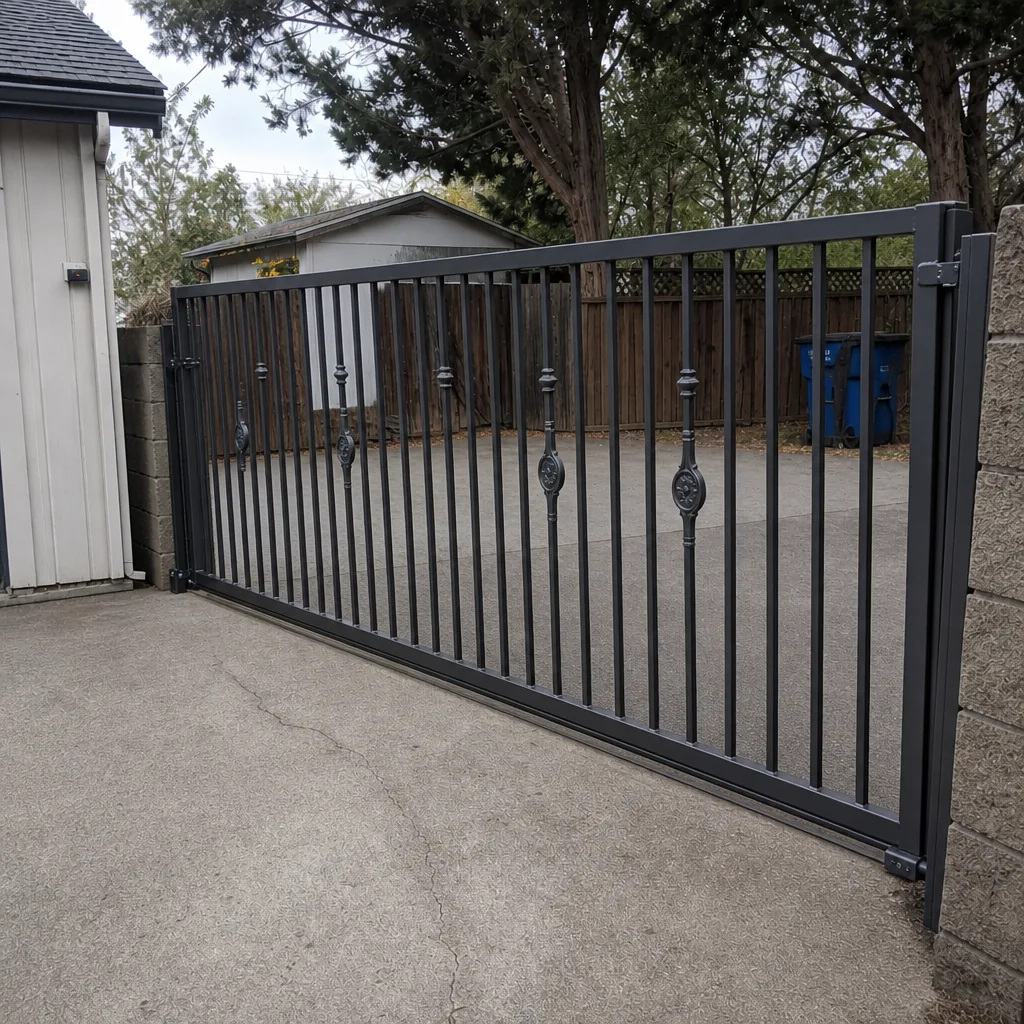
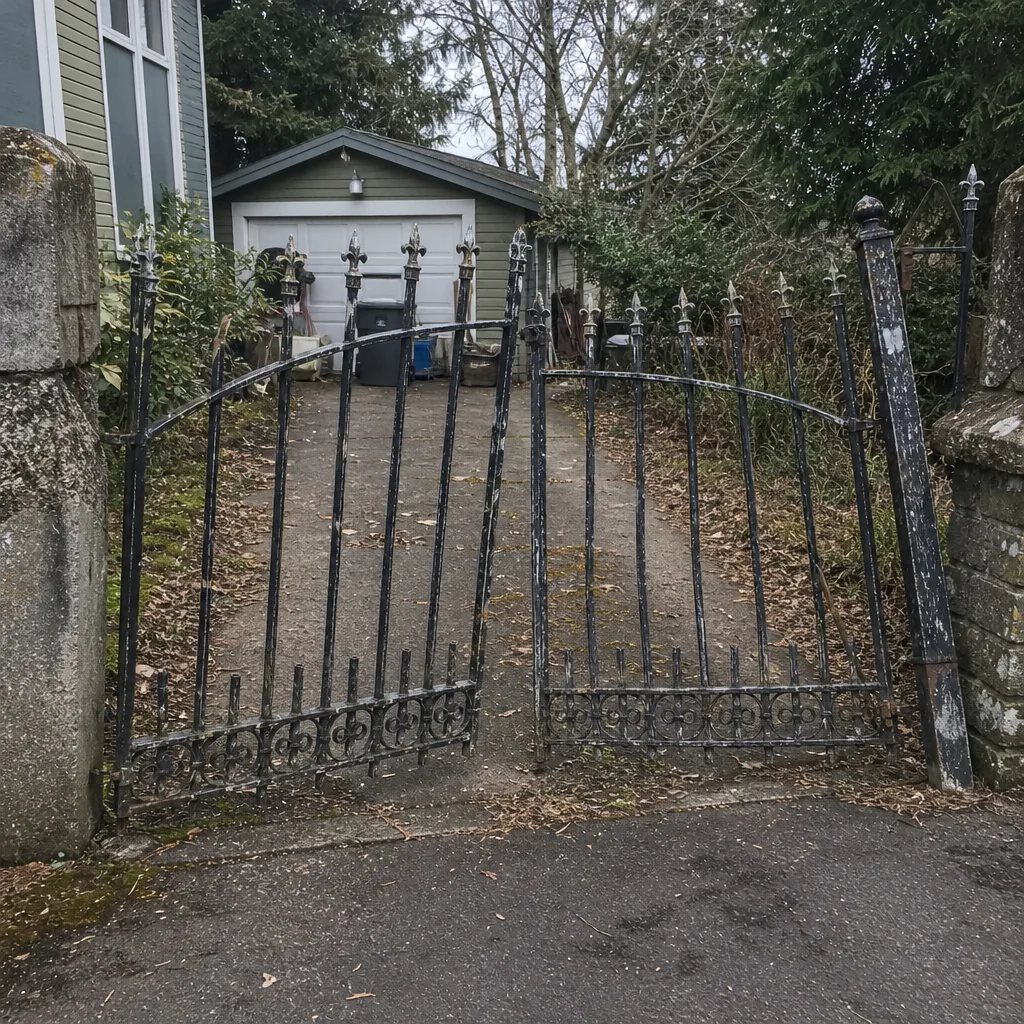
See the difference
 Before
 After
 Before
 After
 Before
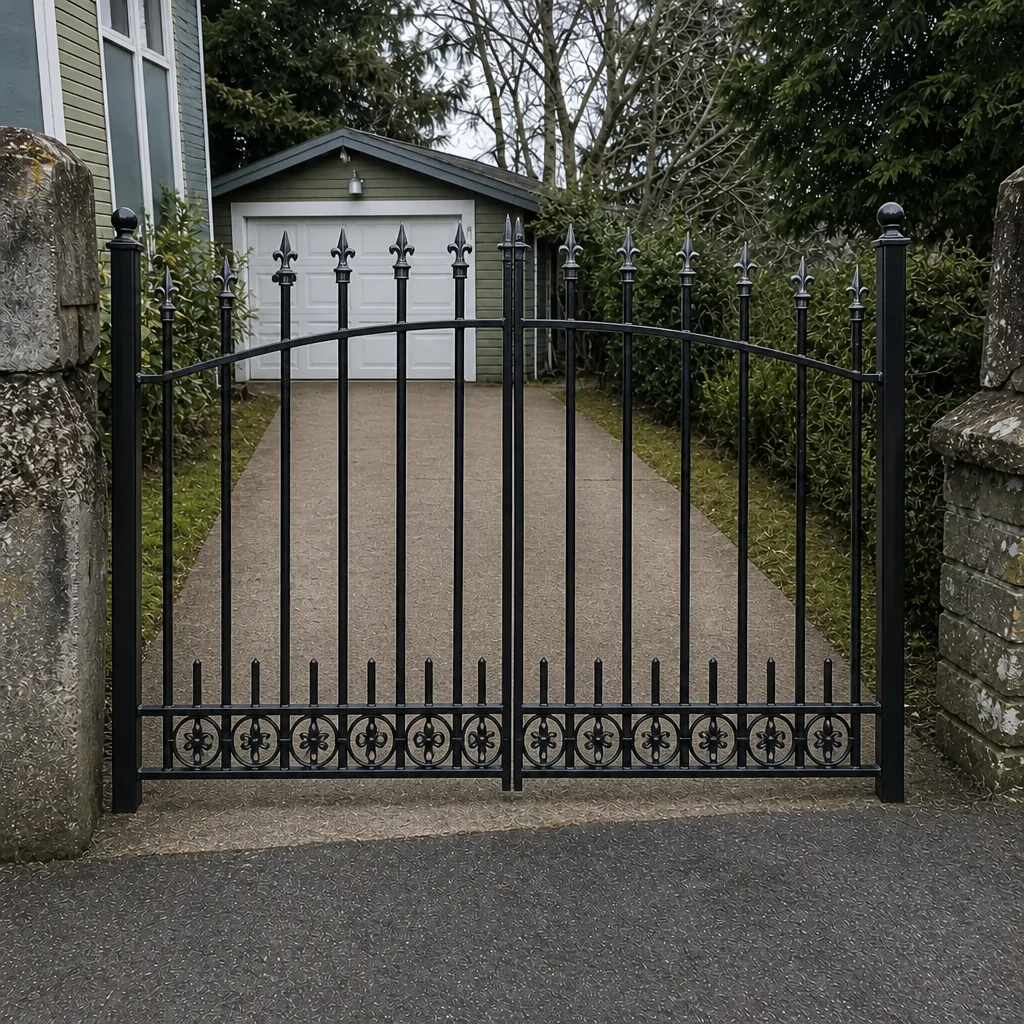 After
When to Call a Professional
Some gate issues are obvious – a gate that won’t open at all, an operator that’s dead, a loud grinding noise from the drive gear. Others are quieter and get worse. If the gate reverses on its own, hesitates partway through a cycle, or the photo eyes have anything obstructing them (including seasonal debris or landscaping overgrowth), those are all signals that the safety system may not be working. A gate that closes on a child or a pet causes serious injury, and safety edges and photo eyes are the exact components that prevent it. If the post is visibly leaning, or the gate drags on the ground when you push it by hand, stop operating it and get it looked at. Heavy panels and slide gates that come off the track are a crush risk. Don’t try to diagnose the operator’s electrical wiring yourself; that work calls for a trained professional. Gate Repair West Hills offers free estimates in West Hills – call (877) 492-4403 and we’ll get a technician out to look at it.
Frequently Asked Questions
Gate repair in West Hills typically costs $85 to $650 for common component fixes and $650 to $2,200 or more for operator replacement, depending on which part failed and which brand system is installed. A diagnostic visit runs $75 to $150 and is usually credited toward the repair if you proceed. Call (877) 492-4403 for an exact quote – estimates are free.
Yes, a diagnostic fee of $75 to $150 is standard in West Hills, and a legitimate company credits it toward the repair when you approve the work. The credit is the honest way to price diagnosis – the company only gets paid when its diagnosis is right. If a company won’t credit the fee, ask why before booking. Call (877) 492-4403 to schedule a diagnostic with that credit in writing.
FAAC and BFT repairs cost more because the parts are more expensive – not because the labor takes longer. A FAAC or BFT control board runs $450 to $950 compared to $280 to $620 for a LiftMaster or Linear board, and the same 45-minute swap can carry either bill. If your gate already has FAAC or BFT, we service that brand; call (877) 492-4403 for a quote on the specific part.
We can often reach a West Hills gate the same day for a failed operator or a gate stuck in a security-relevant position, and we dispatch from 7am to 7pm for repair calls. When you call, describe the symptom and the manual release behavior and we’ll book the closest slot. Call (877) 492-4403 – estimates are free and the diagnostic is credited toward the repair.
Replacement becomes the smarter financial decision when the repair quote reaches about 50 percent of the full replacement cost, and below 40 percent repair almost always wins. Between 40 and 60 percent depends on the operator’s cycle count, age, and the condition of the gate posts and hinges. Ask for both numbers before you decide. Call (877) 492-4403 and we’ll walk through both quotes with you.
We service all nine major residential and commercial gate and opener brands – LiftMaster, FAAC, BFT, Linear, Viking, Ghost Controls, DoorKing, Elite, and Mighty Mule – so we work on the system already on your property. That means you don’t need to find a brand-specific company or accept a recommendation to replace a working system. Call (877) 492-4403 with the brand name on your operator and we’ll confirm what the visit covers.
The Bottom Line
Gate repair costs in West Hills vary far more by component type and brand tier than by labor rate. A $300 LiftMaster board swap and a $900 BFT board swap take the same time – the difference is parts. Read any quote by what part is being replaced and which brand tier it sits in, and ask for the diagnostic to be credited toward the repair. Use the 50 percent rule for repair versus replacement, and get a written estimate before any work starts so the final invoice matches the number you approved. If you’re weighing a repair, ask for a free estimate and check the number against the ranges in this guide.
Call (877) 492-4403 for a free estimate on your West Hills gate. We’re a gate-specialist company – not a general handyman who occasionally works on gates – and we work on the brand you already have. A written quote goes out before any work starts, and the number on that quote is the number you’ll see on the invoice.
Written by the team at Gate Repair West Hills.