Last updated November 24, 2026
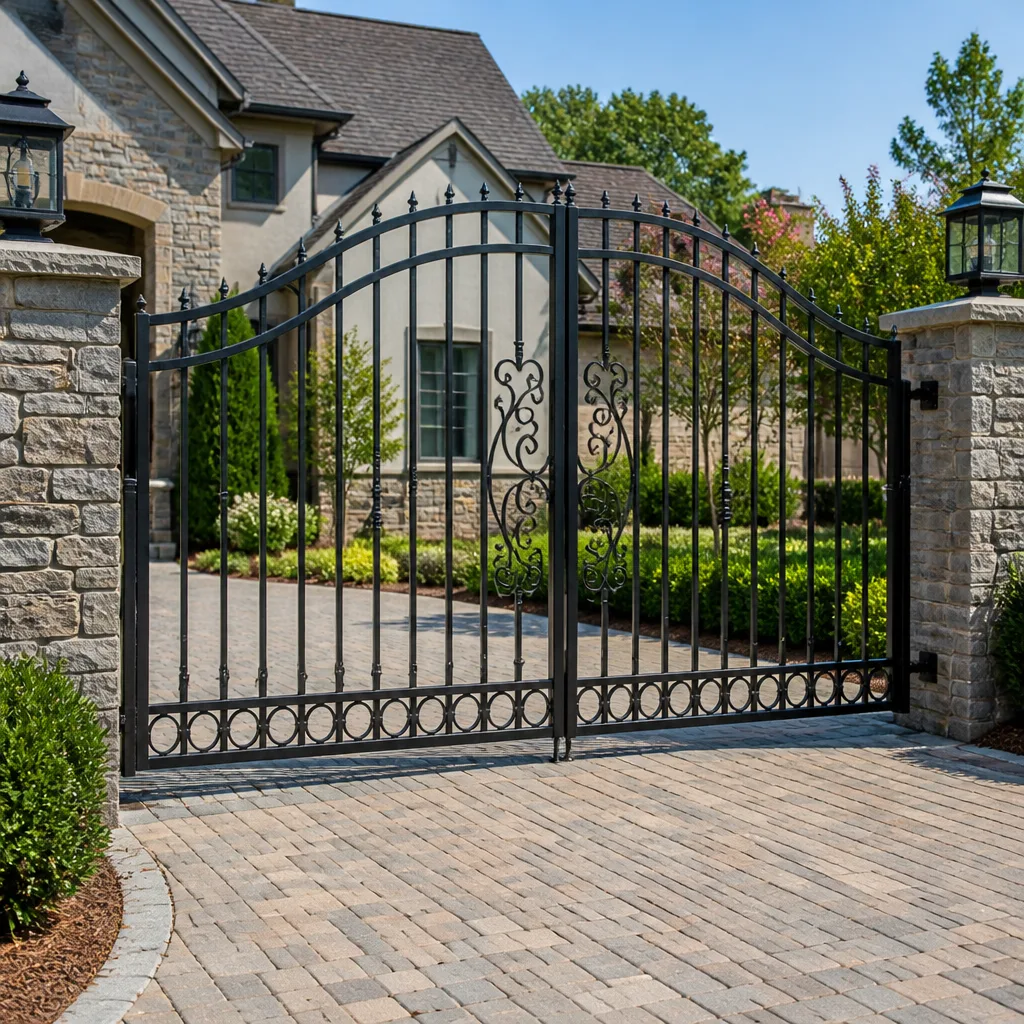 Wrought iron
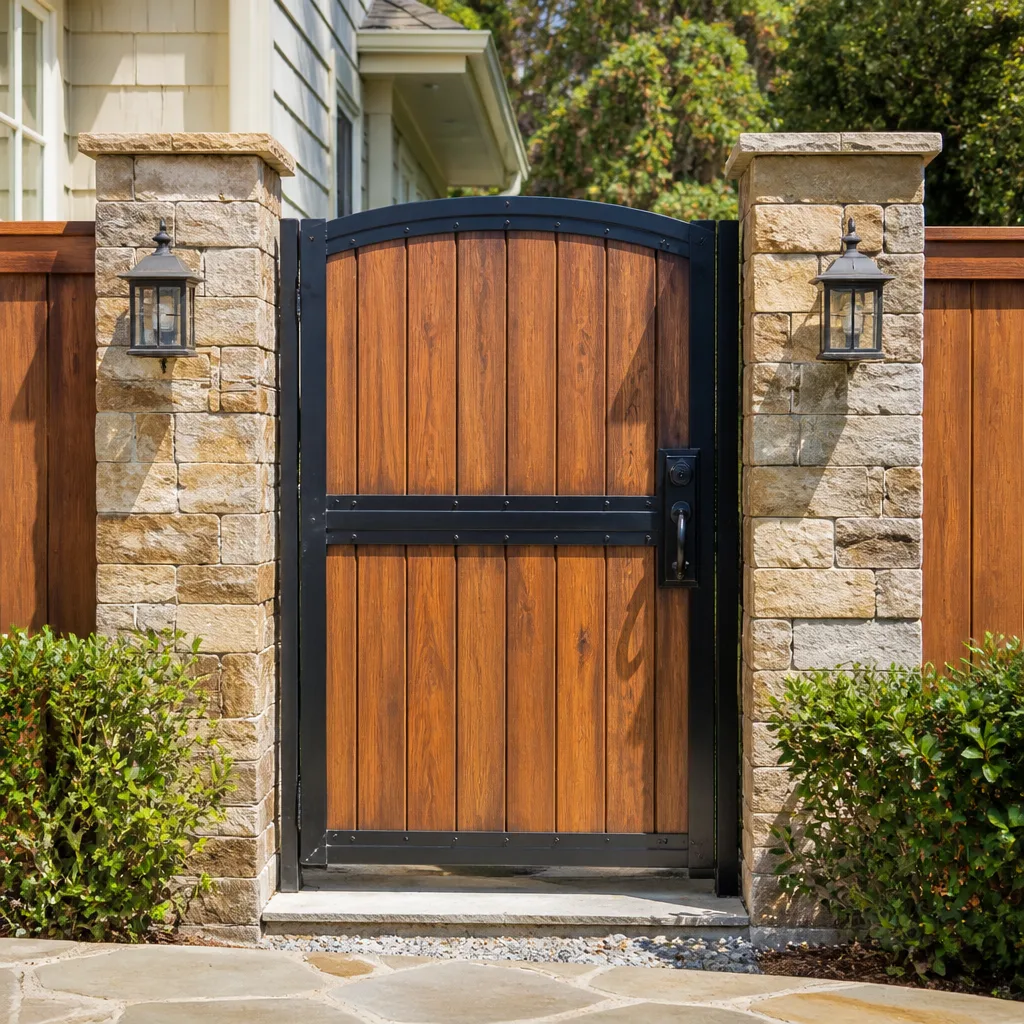 Wood & steel frame
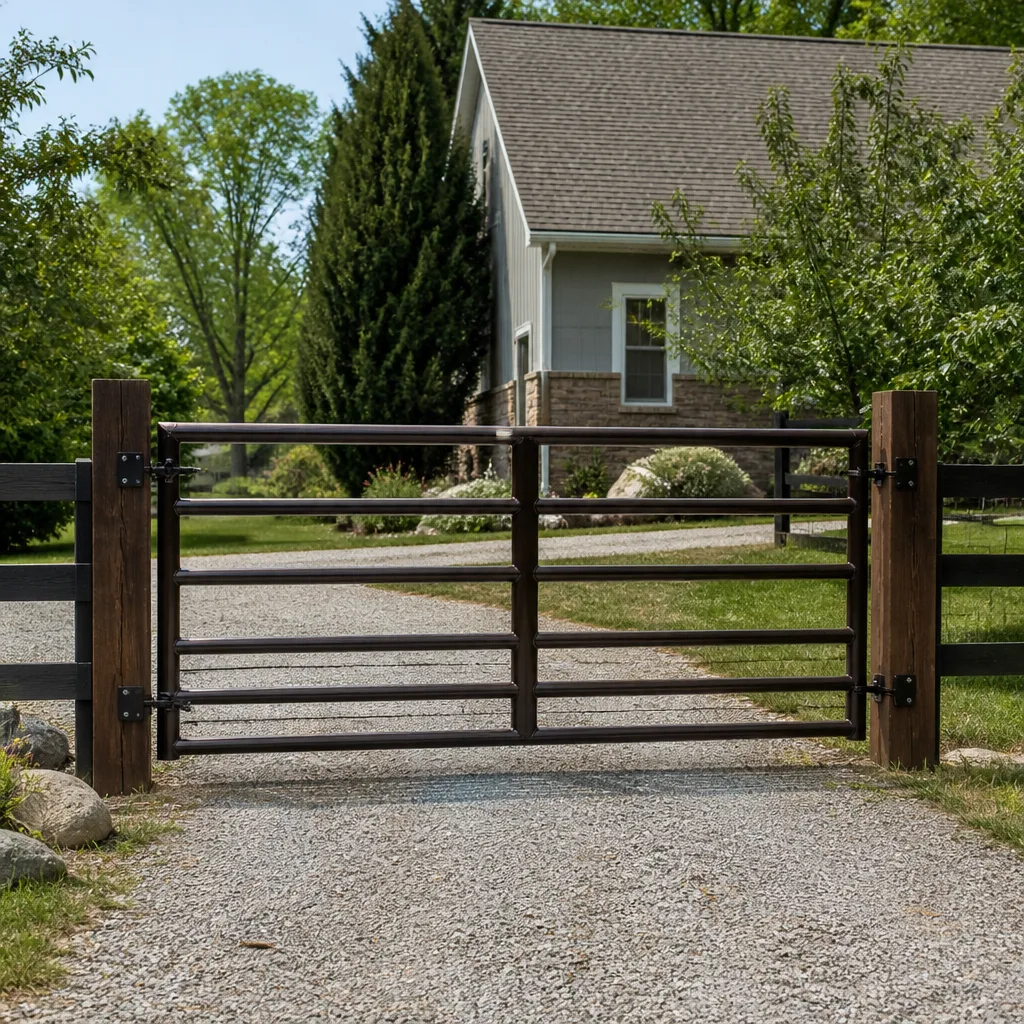 Farm & ranch
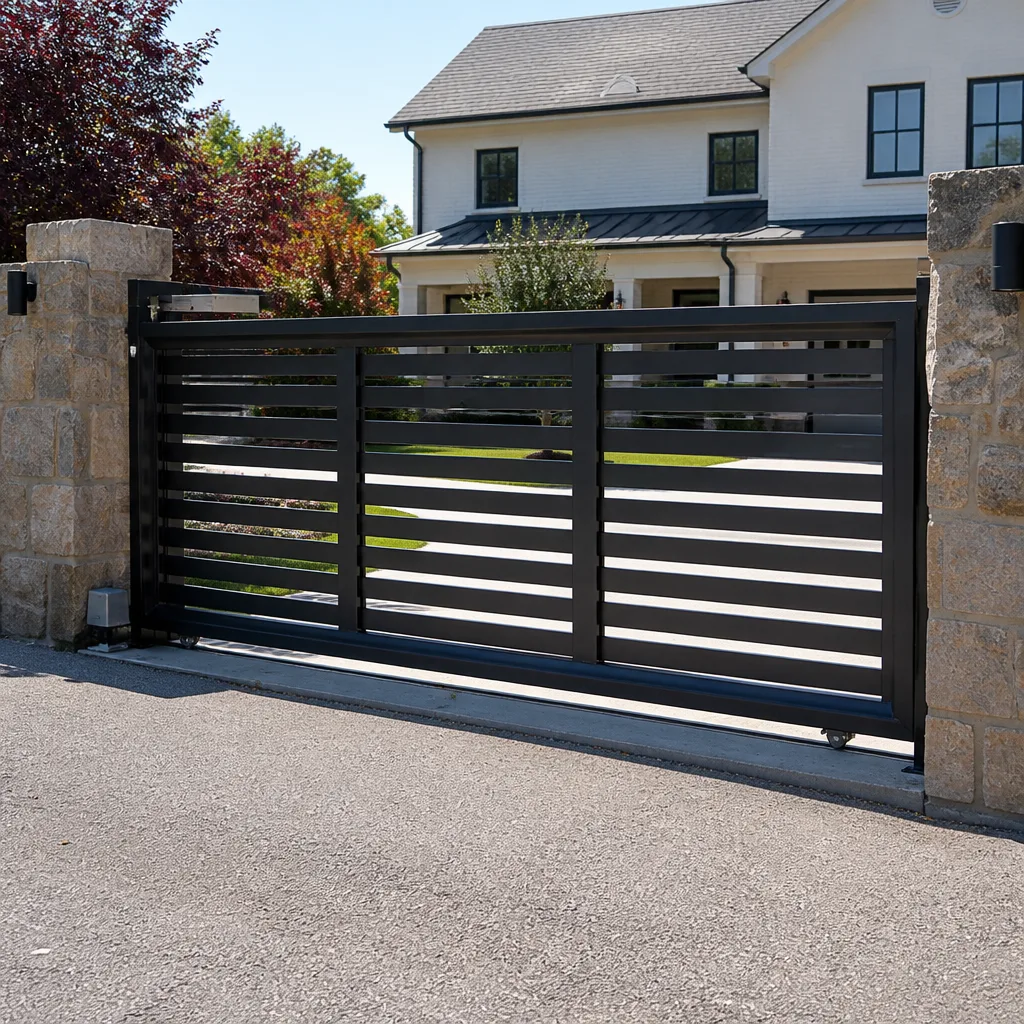 Sliding driveway gates
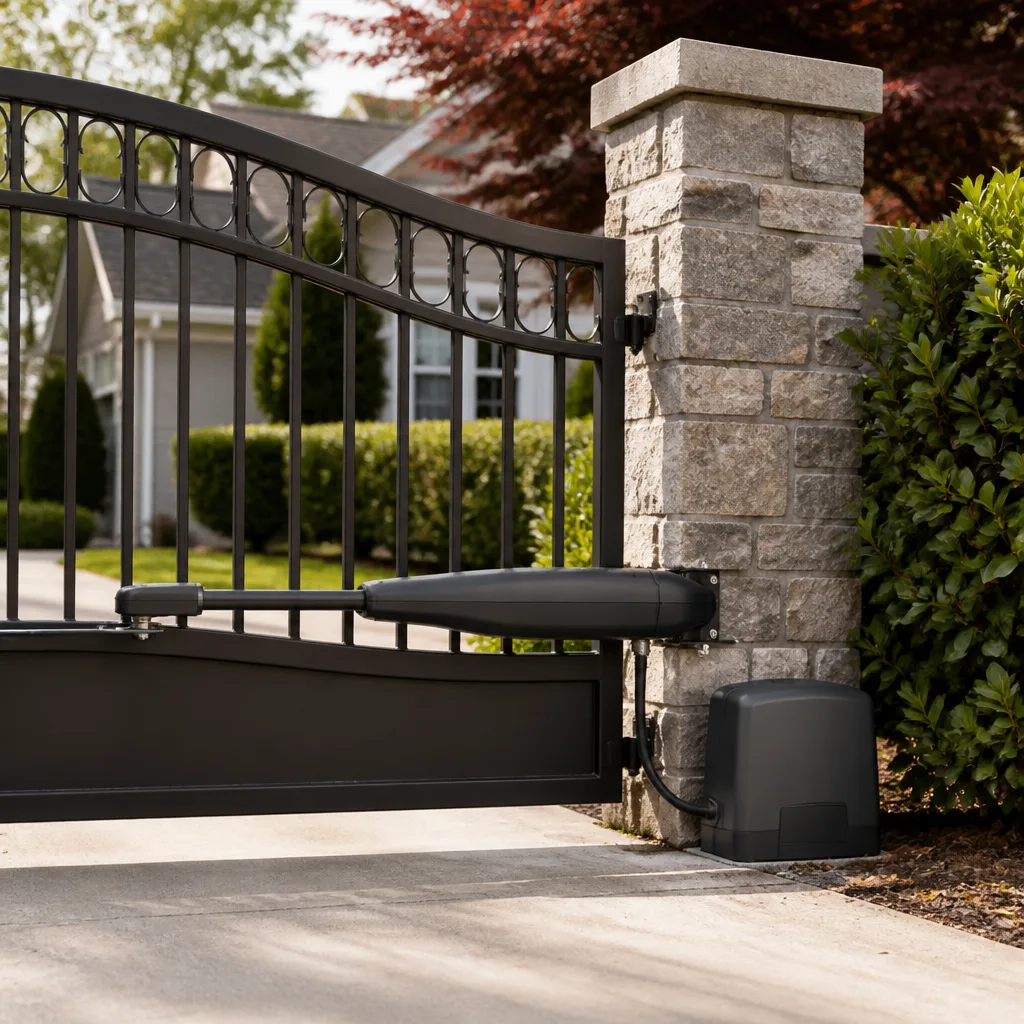 LiftMaster operators
Free on-site gate assessment - hinges, posts, and your LiftMaster or Nice gate operator checked before anything is quoted
The assessment is free and the quote is the invoice.
Get your free estimateThe Complete Guide to Gate Repair in West Hills
A gate that reverses before it closes isn’t really a gate problem. Nine times out of ten, it’s a limit switch or an obstruction sensor telling the operator something it shouldn’t. Homeowners in West Hills spend money replacing motors and control boards when the actual fault is a $40 sensor or a corroded connection. That’s the part most gate service ignores: nobody traces the symptom back to its mechanical origin. This guide does exactly that. You’ll learn the five root causes behind nearly every gate failure, how West Hills’ wet climate accelerates specific kinds of wear, and how to tell a real repair from an upsell before you agree to anything.
Quick Answer
Most gate failures in West Hills come down to one of five root causes: a misaligned limit switch or obstruction sensor, worn hinges and hardware, water damage to underground wiring and connections, a failing control board or motor, or an access control fault. Diagnosing which one you have determines whether you’re looking at a small part swap or a full operator replacement. A legitimate repair visit starts with testing the actual component, not with a recommendation to replace the whole system.
Styles & brands we work with
- Wrought iron
- Wood & steel frame
- Farm & ranch
- Sliding driveway gates
- LiftMaster operators
Table of Contents
- The Five Root Causes of Gate Failure
- How to Trace a Symptom Before You Call
- How West Hills Winters Attack Your Gate Hardware
- Why a Mighty Mule Failure Looks Nothing Like a LiftMaster Failure
- What a Legitimate Repair Visit Actually Includes
- Bridge Fix vs. Full Operator Replacement
- Access Control and Electric Gate Faults
- Keeping Your Gate Running Through the Wet Season
The Five Root Causes of Gate Failure
Almost every gate problem you’ll encounter in West Hills traces to one of five mechanical origins. Knowing which category you’re in changes the entire conversation about cost and repair. Here they are, in order of how often we see them.
- Limit switch and sensor faults. The gate opens partway and stops, reverses early, or refuses to close. The operator thinks it’s hit an obstacle. Often the limit switch that tells the motor where the open and closed positions are has drifted, or the safety sensor sees a phantom obstruction from dirt, moisture, or a misaligned beam.
- Hinge and hardware wear. The gate sags, drags, or grinds. Hinges take the full weight of the panel every cycle. When they wear, the gate drops out of alignment and the motor fights the drag it creates.
- Wiring and connection damage. Intermittent operation, gate working sometimes and not others, or a keypad or intercom that’s gone dead. Underground runs and exposed connections take on water, and water plus low-voltage control wiring is a slow failure.
- Control board and motor failure. The gate doesn’t move at all, moves in one direction only, or the operator hums without turning. Boards fail from moisture, power surges, and age. Motors fail from strain put on them by causes one through three.
- Access control faults. The gate is mechanically fine but won’t respond to the keypad, fob, or intercom. This is a system-programming or device problem, not a gate problem, and it gets misdiagnosed constantly.
That’s the whole map. Once you place your symptom on it, you’re no longer guessing at what’s wrong. For a full run of the services that cover all five, see our gate repair West Hills overview.
How to Trace a Symptom Before You Call
You don’t need to fix anything to run this check. You just need to observe what the gate does and match it to the root cause list above. This saves you a diagnostic visit and keeps a technician honest, because you’ll know what the fault should point to.
- Watch a full open-and-close cycle. Note exactly where it fails: reversing on close, stopping halfway, stuttering, grinding, or dead silence. The location of the failure is a clue.
- Listen. A hum with no movement points to the motor or board. A grind points to hardware. A click with nothing after it points to a control board or wiring.
- Test the manual release. Disengage the operator and move the gate by hand. If it swings hard or drags, the problem is mechanical, not electrical. If it moves easily by hand but not under power, the issue is in the operator or controls.
- Check the safety sensors and limit switches. Look for dirt, moisture, or misalignment on the sensor beam path. A gate that reverses before closing is nearly always here.
- Test your access devices. Try a second remote or the keypad. If none work, the fault is at the receiver or control board. If some work and others don’t, it’s the device itself.
Write down what you find. When you describe “reverses 6 inches before closing, moves freely by hand, sensor light flickers” to a technician, they can bring the right part on the first visit instead of scheduling a return trip. That’s the difference between a one-hour fix and a week of back-and-forth.
How West Hills Winters Attack Your Gate Hardware
West Hills sits in the Pacific Northwest’s wet-winter band, and that shapes gate failures here in ways it doesn’t in drier markets. Our rainy season doesn’t just soak the gate. It works on the specific components that control whether the gate opens, closes, and responds.
Hinge hardware is the first casualty. Steel that cycles daily and stays wet between cycles corrodes faster than hardware in drier climates. Once a hinge stiffens, the gate starts to sag and drag, and the motor fights it. That’s why a West Hills gate can develop a “motor problem” that’s actually a hinge problem in disguise.
Limit switches and safety sensors are the second failure point. They live in small enclosures exposed to weather. When moisture gets in, contacts corrode and signals get intermittent. The operator reads that as an obstruction, and the gate refuses to close. A limit switch or beam that’s wet and dirty can mimic a full operator failure.
Underground wiring and low-voltage connections are the third. In a place that stays wet for months, conduit fills, junction boxes collect water, and buried splices degrade. You get a gate that works on dry days and quits after rain. That pattern is one of the most diagnostic clues in gate service, and it’s specific to how wet our climate stays.
None of these are exotic failures. They’re the predictable result of daily cycling in a wet climate. A technician who works in West Hills regularly expects them. See our gate repair service for how we handle each in a single visit.
Why a Mighty Mule Failure Looks Nothing Like a LiftMaster Failure
Gate operators fail along brand-specific patterns, and treating every gate the same leads to misdiagnosis. A system built for a lighter residential swing gate doesn’t fail the way a commercial-grade operator does. Knowing the brand on your property tells a trained technician where to look first.
Mighty Mule and Ghost Controls are common on lighter residential driveway gates. Their operators are built for lighter cycles, and their common failures cluster around the control board, the limit switches, and battery or power issues. A Mighty Mule that won’t close is often a sensor or board issue, not a motor issue.
A LiftMaster system, especially a commercial-grade operator, is heavier-duty and its failures more often show up in the safety reversing system, wiring, and the mechanical linkages. A LiftMaster that reverses before closing is very often a sensor alignment or wiring fault, not a dying motor.
FAAC and BFT systems tend toward more sophisticated control logic and, on commercial gates, higher-cycle duty. Their faults show up in the control board programming, encoder feedback, and access control integration more than in raw motor failure. A Linear system, common on residential slide and swing gates, tends to reveal limit switch and receiver problems as it ages.
Viking and DoorKing round out the picture: DoorKing is heavily represented on commercial and HOA gates with access control and telephone entry, and its failures often live in the access control layer, wiring, and programming. The point for a West Hills homeowner is simple. The brand on your gate dictates where the fault most likely lives. A general handyman working on whatever gate they happened to see yesterday can’t tell you that. This is the core reason we work on gate motor & opener systems across the full range of major brands instead of one.
What a Legitimate Repair Visit Actually Includes
A proper gate repair visit diagnoses the root cause before touching a part. That sounds obvious, but the most common complaint we hear is a technician who recommended replacing the motor without ever testing the limit switches, the sensors, or the wiring. Here’s what a real visit looks like.
- A full symptom interview. When does it fail? After rain? At a particular point in the cycle? The answers narrow the root cause fast.
- Manual operation test. The gate is released and moved by hand to separate mechanical drag from electrical fault.
- Component testing. Limit switches, safety sensors, control board, motor, and wiring each get tested in sequence, not assumed.
- A brand-aware diagnosis. The technician checks the failure patterns specific to your operator’s brand rather than working blind.
- A written price before work starts. You should know what’s being replaced and what it costs, agreed before any repair begins. No surprise invoice afterward.
- A test cycle and a clear explanation. The gate runs a full cycle, and you’re told what failed and why, in plain language.
What signals an upsell? A recommendation to replace the operator on a gate whose motor tests fine. Replacing a control board without testing the wiring that feeds it. Quoting a full replacement when a hinge, sensor, or limit switch would solve the actual symptom. Those are the red flags.
Bridge Fix vs. Full Operator Replacement
The real question for most West Hills homeowners is whether to repair or replace, and the answer comes down to the cause and the age of the system, not the sales pitch. A bridge fix keeps a working system running. A replacement makes sense when the operator itself is the failure.
Repair is usually the right call when the fault is a limit switch, a sensor, a hinge, a wiring connection, or a single device like a keypad. These are part failures, not system failures. Replace the part, correct the root cause, and the gate runs again. Most of what we see in West Hills falls in this category, which is why diagnosis matters so much.
Replacement starts to make sense when the motor or control board has failed and the operator is at the end of its useful life, when a system has been repaired repeatedly for the same underlying fault, or when electronics are no longer supported. Even then, the honest move is to repair the mechanical side first so a new operator isn’t fighting worn hinges or bad wiring, which would just wear out the replacement faster.
We recommend based on what fits your gate, your budget, and your security need, not on which product earns the most margin. If a repair will bring your gate back to reliable operation, we’ll tell you. When the system genuinely needs replacing, see our gate installation service for the replacement path.
Access Control and Electric Gate Faults
Access control problems are the most misdiagnosed category in gate service, because the gate itself looks like it’s failing when the real fault is in the keypad, intercom, or receiver. A homeowner sees a gate that won’t open and assumes the operator is dying. Often the operator is fine and the signal never reached it.
On commercial and HOA gates, DoorKing telephone entry and access control systems are common, and their faults usually live in the programming, the wiring to the entry device, or the device itself. On residential electric gates, keypads, fobs, and remotes fail or fall out of programming before the motor does. Knowing how to test the signal chain from the entry device to the receiver to the operator is what separates an access control specialist from a general repair.
The test sequence is straightforward:
- Confirm the gate operates from at least one source (a hardwired button or the operator itself). If it does, the operator is fine and the fault is in the controls.
- Test each access device separately: keypad, remotes, intercom, fobs. A device that fails alone is a device problem, not a gate problem.
- Check programming and receiver state. A device that stopped working after a power event is often a reprogramming fix, not a replacement.
- Inspect the low-voltage wiring run for water intrusion, especially on gates exposed to our wet winters.
When the fault is in the access control layer, repair is usually quick and inexpensive compared to a motor replacement. That’s why testing the signal chain first matters so much.
Keeping Your Gate Running Through the Wet Season
The best way to avoid a mid-winter gate failure in West Hills is to address the components our wet climate attacks before they fail. This isn’t a maintenance plan or a contract, just the checks that keep a gate operating reliably. Most of it is about keeping water out of places it doesn’t belong and keeping mechanical parts moving freely.
- Keep hinges and moving parts lubricated and free of corrosion. A hinge that stays wet and stiff is the start of a motor problem.
- Clear moisture and debris from sensor and limit switch housings. A dirty, wet sensor mimics an obstruction and stops the gate.
- Inspect exposed and underground wiring for water intrusion after heavy rain, especially at junction points.
- Check that the gate swings freely by hand periodically. If it drags, the operator is compensating for worn hardware and straining.
- Address a new grinding, dragging, or reversing symptom early. A small fault left through the wet season becomes a bigger repair.
When something does fail, and in this climate it eventually will, trace the symptom to its root cause before calling. If the gate reverses before closing, check the sensors and limit switches. If it grinds, check the hinges. If it’s dead after rain, suspect the wiring. That single habit keeps small problems from becoming expensive ones.
Common Mistakes to Avoid
- Replacing the motor to fix a sensor or limit switch problem. A gate that reverses before closing is usually a sensor or limit issue, not a dead motor. Replacing the operator wastes money and doesn’t fix the symptom.
- Ignoring mechanical drag during the wet season. West Hills winters stiffen and corrode hinges, and a dragging gate strains the operator every cycle. Fix the drag before it kills the motor.
- Assuming a dead keypad means a dead gate. Access control devices fail independently. Test the operator from another source before assuming the whole system needs replacing.
- Treating every brand the same. A Mighty Mule, a LiftMaster, and a DoorKing system fail in different places. A diagnosis that ignores the brand wastes time and parts.
- Agreeing to work without a written price. You should know what’s being replaced and what it costs before any work starts. An invoice that exceeds the quote is a sign to walk away.
- Letting an early grinding or dragging symptom run through the wet season. A cheap hinge fix becomes an operator replacement when it’s ignored.
- Calling a general handyman for automation faults. Gate-specific wiring, control boards, and access control programming need someone who works on gates daily.
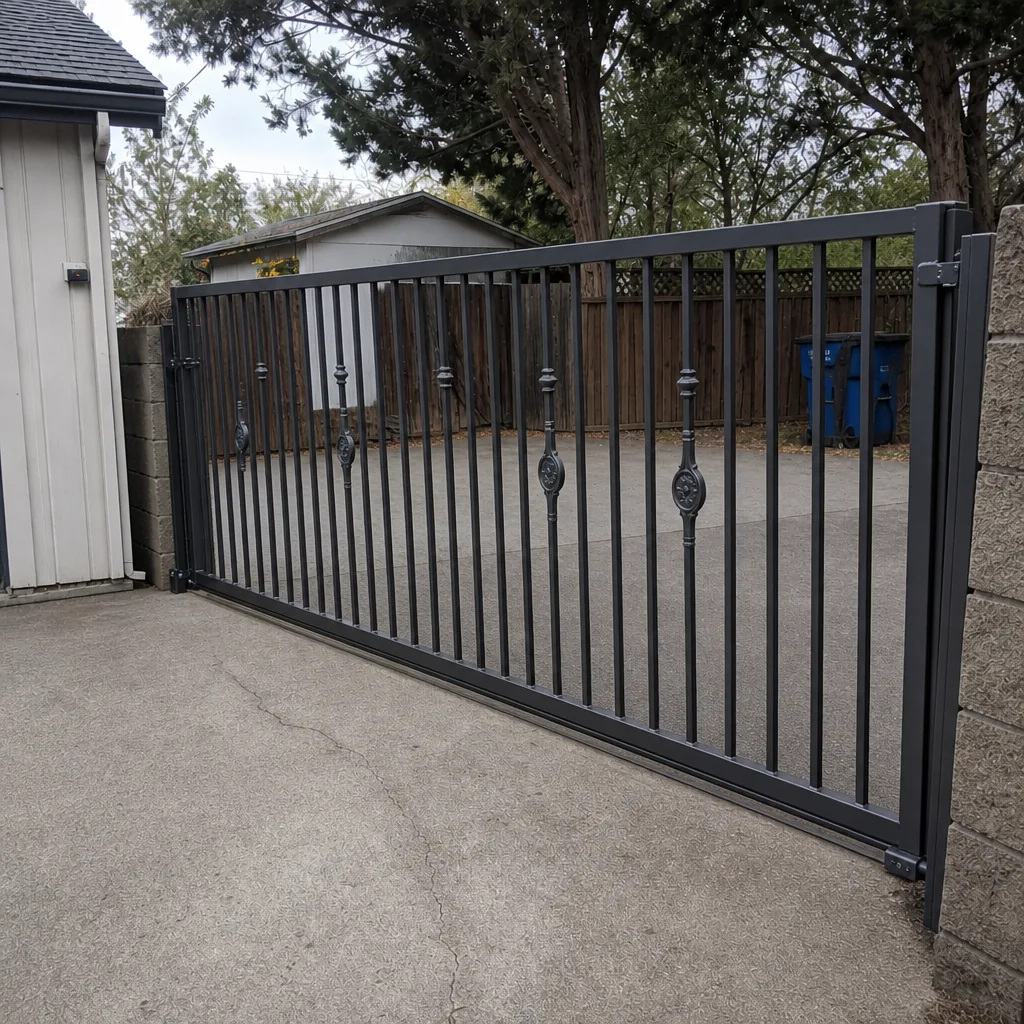
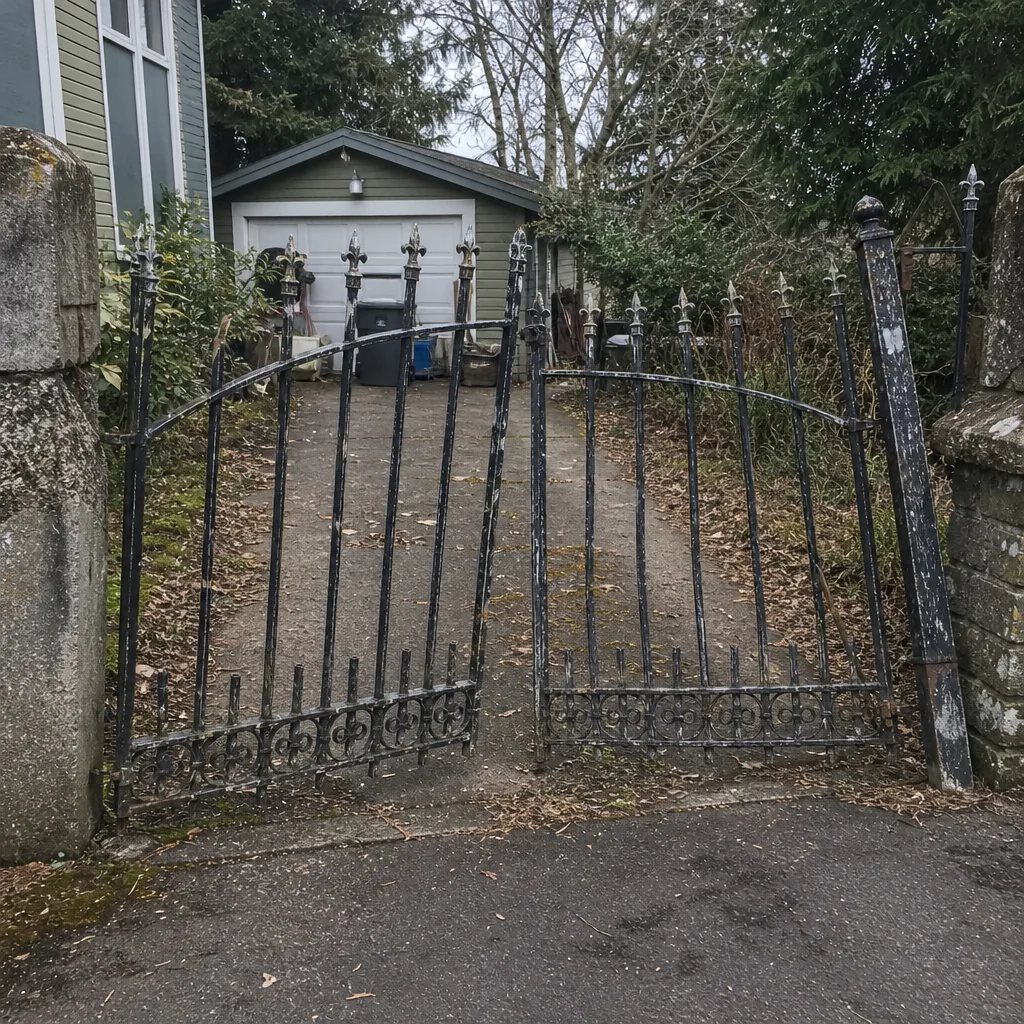
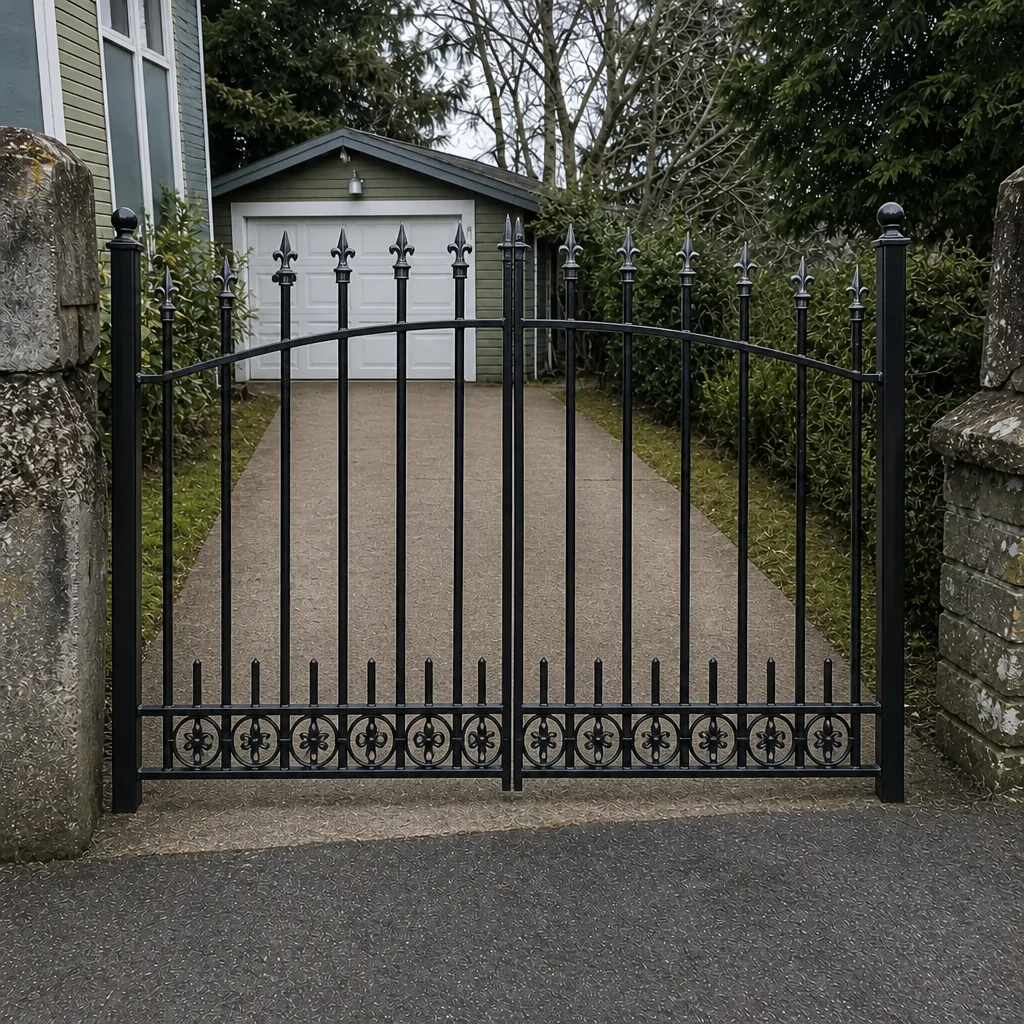
See the difference
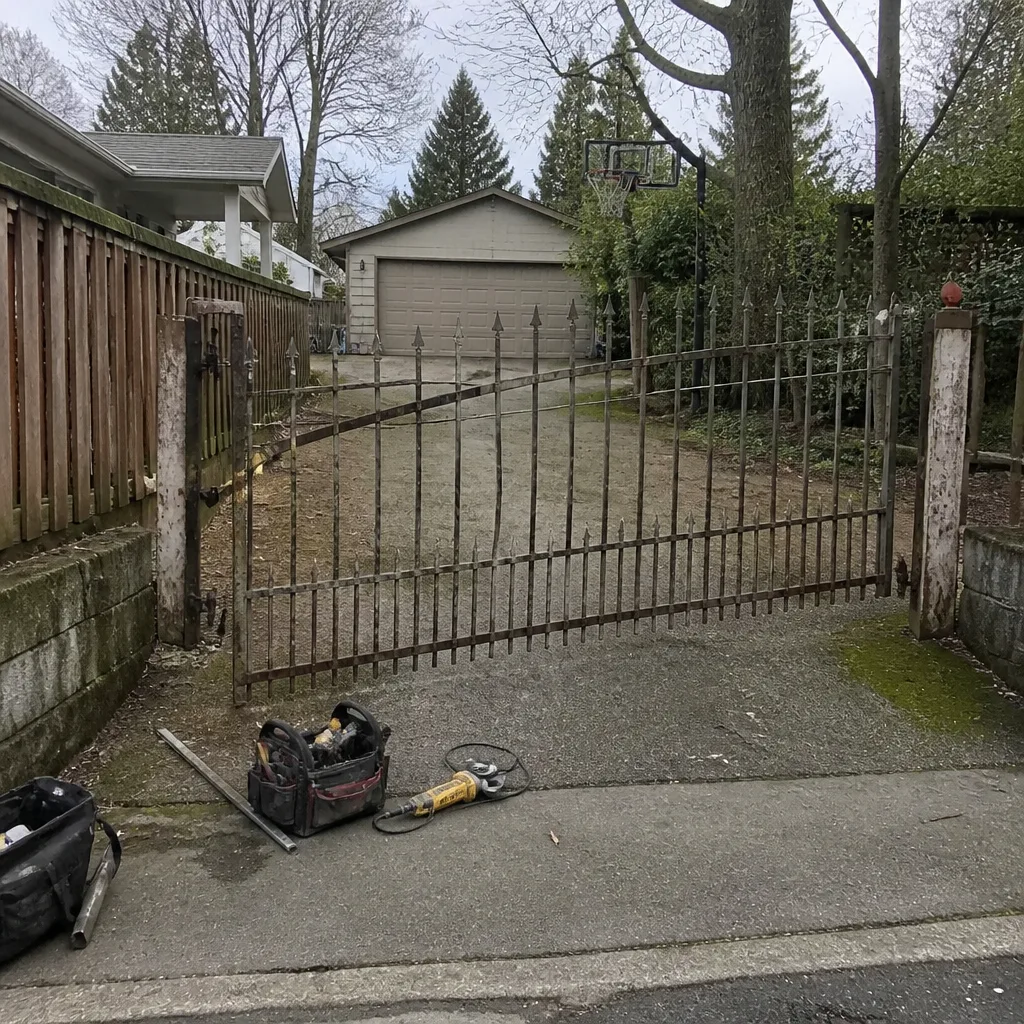 Before
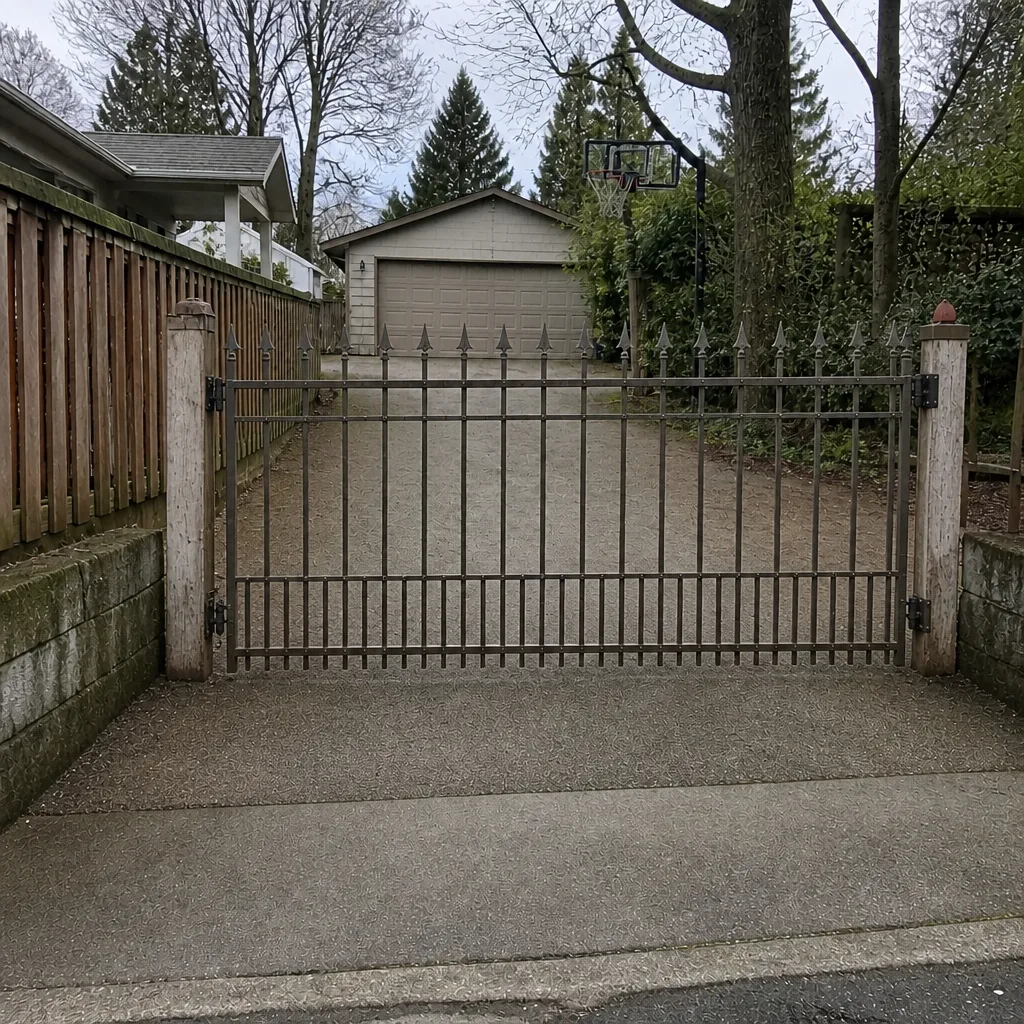 After
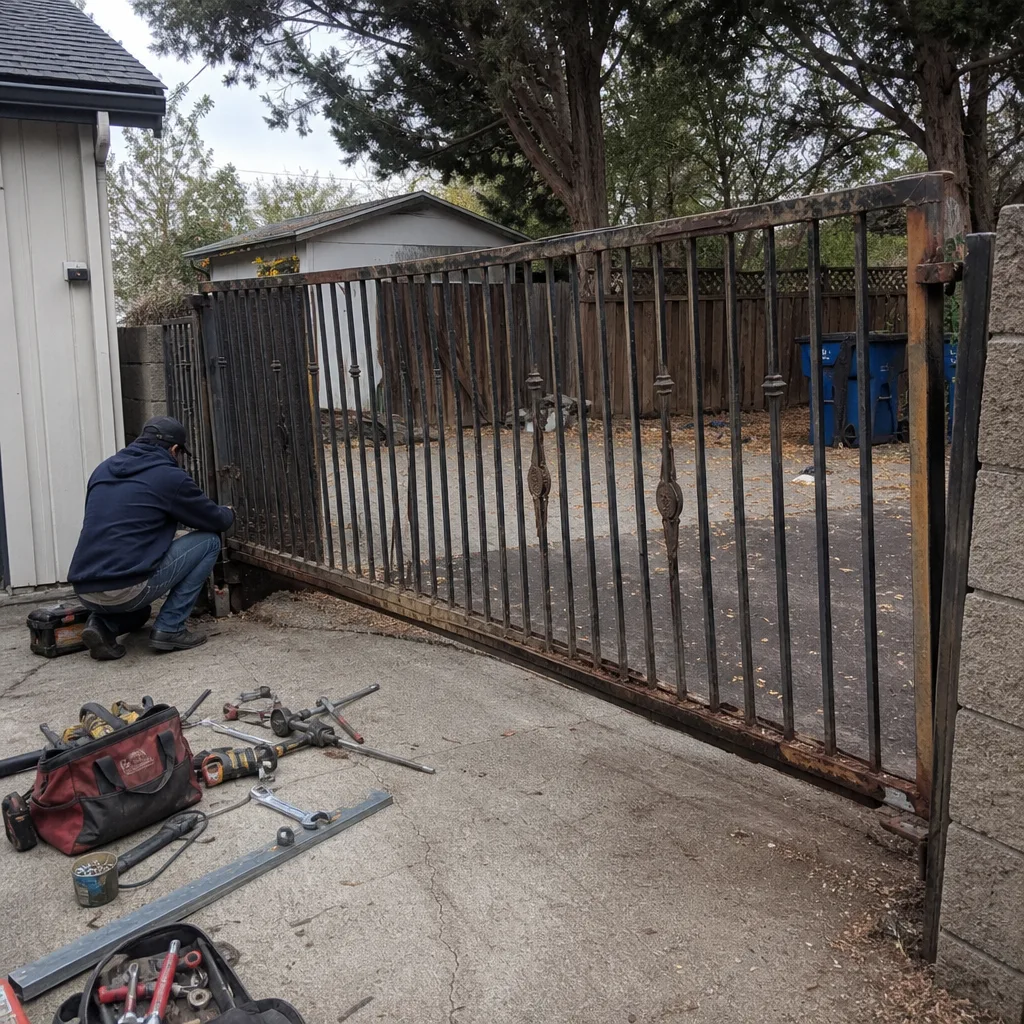 Before
 After
 Before
 After
When to Call a Professional
Call a professional when the gate reverses before closing and the sensor check doesn’t resolve it, when it grinds or drags, when it stops responding to any access device, or when it works on dry days and fails after rain. These symptoms point to a root cause that needs testing, and testing the wrong component wastes money. Also call if the operator hums without moving or won’t move at all; that’s a motor, board, or wiring fault that can’t be diagnosed by observation alone.
Gate Repair West Hills offers free estimates in West Hills and works on the brand you already have, from Linear and Viking residential operators to DoorKing commercial access control. Our technicians have up to 11 years of experience, and we quote and agree the price before any work starts. Call (877) 492-4403.
Frequently Asked Questions
A gate that reverses before closing is almost always a limit switch or obstruction sensor problem, not a motor fault. The operator thinks it has hit an obstacle. In West Hills’ wet climate, moisture and dirt on the sensor beam are a common cause, so a sensor check and cleaning or realignment usually resolves it. Call (877) 492-4403 for an exact quote if it doesn’t, and estimates are free.
Most gate repairs in West Hills are a part swap rather than a system replacement, so costs depend entirely on the root cause. A sensor, limit switch, or wiring connection fix is a small repair; a motor or control board replacement costs more. The written estimate sets the final price, agreed before any work starts. Call (877) 492-4403 for a free estimate.
Yes. We work on the brand you already have, including Linear, Viking, and DoorKing, along with LiftMaster, FAAC, BFT, Ghost Controls, Elite, and Mighty Mule. We diagnose the system on your property rather than recommending a brand we sell. Call (877) 492-4403 and describe the system.
A gate that fails after rain points to water intrusion in the wiring, junction points, or sensor housings. West Hills’ wet winters make this one of the most common patterns we see, and it’s a wiring or connection fault, not a motor failure. That’s a repair, not a replacement, in most cases. Call (877) 492-4403 to schedule a visit.
Replace the operator when the motor or control board itself has failed and the system is at the end of its life, or when the same fault keeps returning. Repair is the better path when the fault is a sensor, hinge, limit switch, wiring, or access device. We recommend based on what fits your gate and budget, and we’ll tell you honestly when a repair will do. Call (877) 492-4403.
Yes. We handle access control faults, including keypad and fob programming and intercom integration on systems like DoorKing. A gate that ignores the keypad is often an access control problem, not a gate failure, and testing the signal chain confirms it. Call (877) 492-4403 for an exact quote.
The Bottom Line
Most gate failures in West Hills trace to one of five root causes: a limit switch or sensor fault, worn hardware, wiring damage, a failing motor or board, or an access control issue. Knowing which one you have tells you whether you’re facing a small part swap or a full replacement, and it protects you from paying for a motor you didn’t need. Trace the symptom, check the brand-specific failure pattern, and demand a written price before work starts. Gate Repair West Hills works on the brand you already have, diagnoses the root cause, and quotes before any work begins. Call (877) 492-4403 for a free estimate.
Written by the team at Gate Repair West Hills.