Last updated November 24, 2026
 Wrought iron
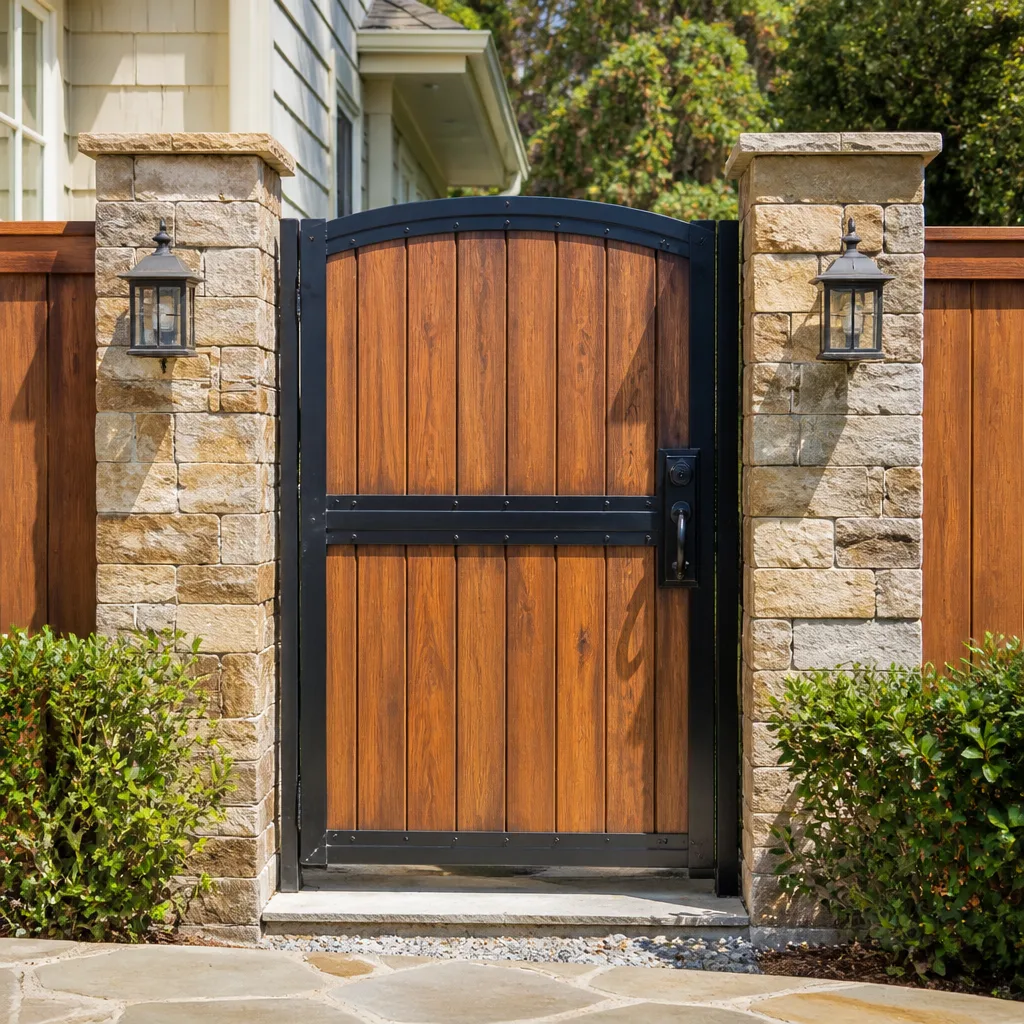 Wood & steel frame
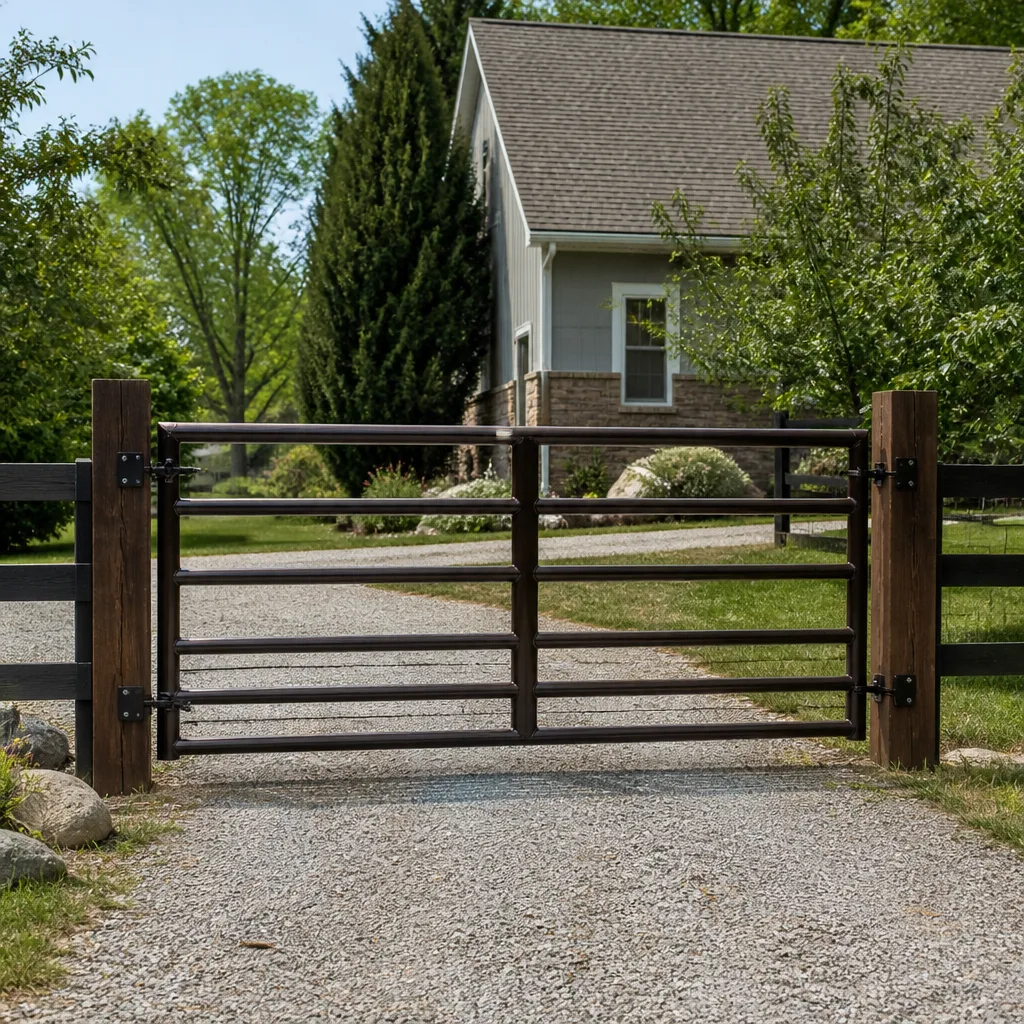 Farm & ranch
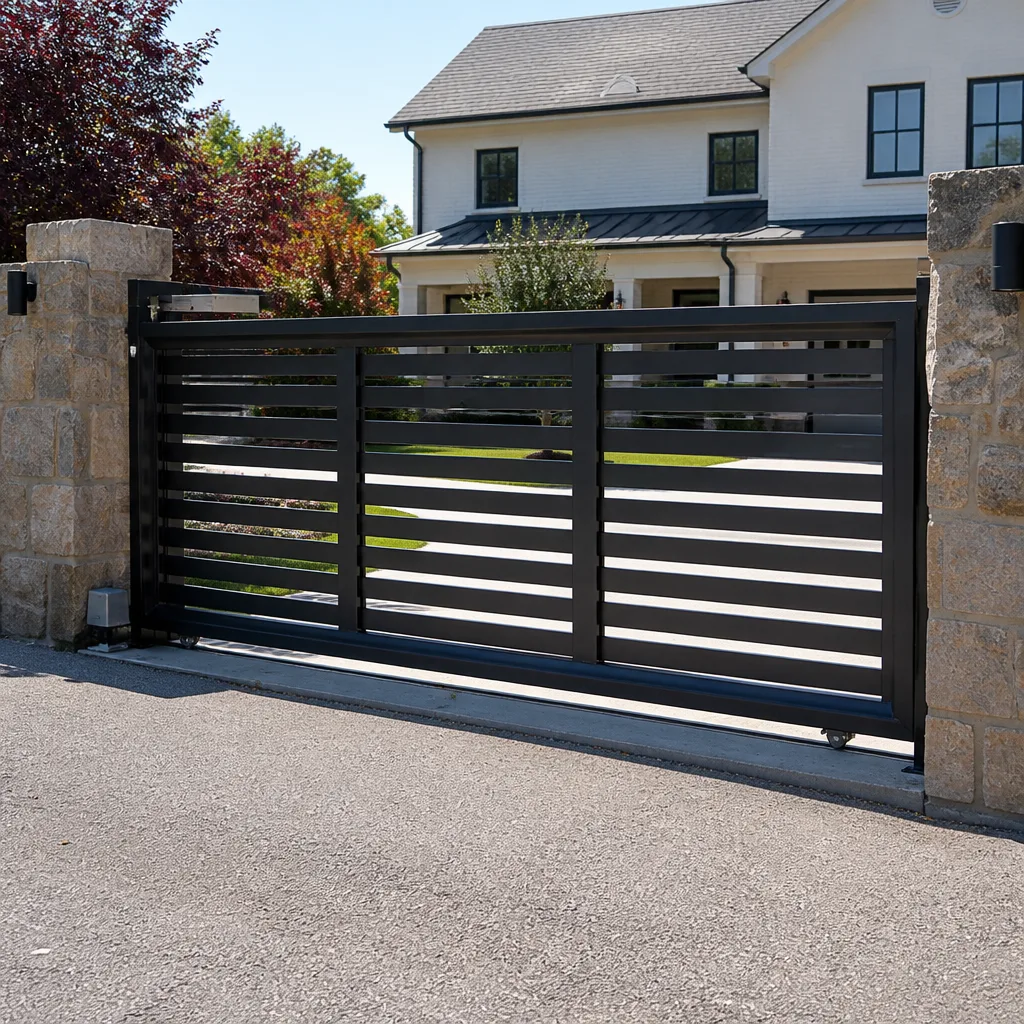 Sliding driveway gates
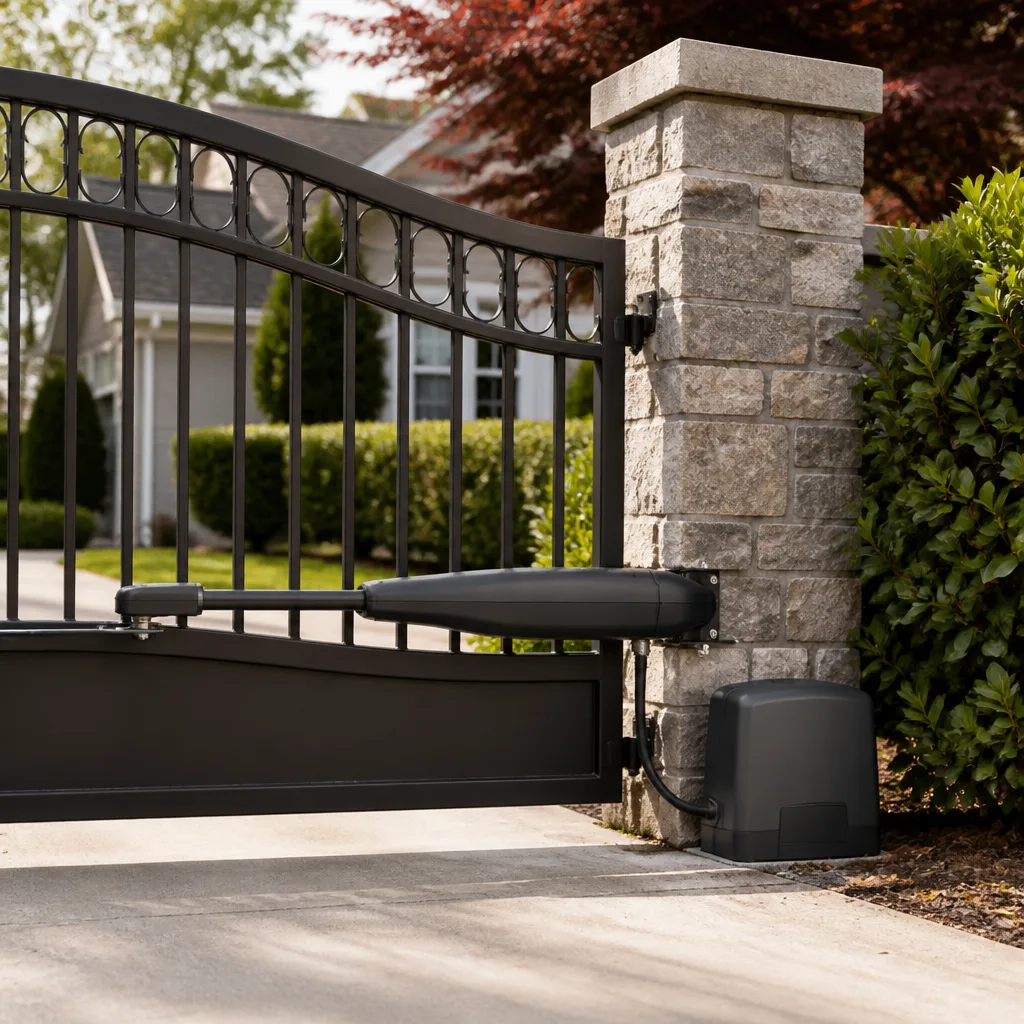 LiftMaster operators
Free on-site gate assessment - hinges, posts, and your LiftMaster or Nice gate operator checked before anything is quoted
The assessment is free and the quote is the invoice.
Get your free estimateSeasonal Gate Repair Care for West Hills: Year-Round Homeowner’s Guide
Most gate advice you’ll find online was written for a climate that isn’t ours. It talks about heat cracking and hurricane prep, or it assumes a dry, stable soil that barely moves. West Hills doesn’t work that way. Here, the biggest threat to a swing gate isn’t a dramatic storm – it’s the slow, quiet movement of wet soil under a post, then the shrink and swell that follows a dry summer. A gate that drags in February usually started failing back in October. This guide walks you through what each season actually does to gate hardware in West Hills, what to check and when, and how to tell the difference between a five-minute adjustment and a problem that needs a technician.
Quick Answer
In West Hills, gate care should follow the local weather rather than a generic calendar: seal wire conduits and check battery backup before the wet season, watch for standing water in operator housings through winter, measure post plumb each spring, and inspect seals and solar angle each summer. Most swing gate failures here trace back to post movement from saturated soil, and most electric gate failures trace back to water reaching a control board. Checking these four things on a seasonal rhythm prevents the majority of breakdowns.
Styles & brands we work with
- Wrought iron
- Wood & steel frame
- Farm & ranch
- Sliding driveway gates
- LiftMaster operators
Table of Contents
- Why West Hills Weather Is Hard on Gates
- Fall Prep: Getting Ahead of the Rain
- Winter Failure Points: Water, Corrosion, and Outages
- Spring Post-Lean Inspection and What It Means
- Summer: UV, Thermal Expansion, and Solar Angle
- A Replacement Cycle Built for West Hills
- Common Mistakes to Avoid
- When to Call a Professional
- Frequently Asked Questions
Why West Hills Weather Is Hard on Gates
West Hills sits in a part of Oregon where the seasons pull gate hardware in opposite directions. Winter brings weeks of steady rain that saturate the soil. Spring dries it out. Summer bakes the ground until it cracks and pulls away from anything set into it, and a slide gate’s aluminum track grows measurably in the afternoon heat. Then fall brings the water back. That cycle, repeated year after year, is what wears a gate down – not any single storm.
Here’s the part that catches homeowners off guard: the movement is small. A swing gate post can shift by as little as 3mm and still throw off a limit switch that was set precisely. The gate doesn’t fall over. It just starts stopping a little short, or reversing before it closes, or dragging at the bottom on one side. Because it happens slowly, most people don’t notice until the gate is genuinely misbehaving.
Two other local factors matter. First, West Hills has a lot of sloped lots, which means runoff concentrates and moves through soils in ways that flat-lot suburbia never sees. Second, the freeze-thaw cycles we get in the cooler months lift and settle the ground around a post footing. That frost heave is the leading cause of swing gate misalignment in this region. None of this is a reason to panic – it’s a reason to check things on a schedule instead of waiting for a failure. A gate that’s inspected each season is a gate that keeps working, and knowing your gate’s weak points is half of Gate Repair West Hills done before anyone picks up a wrench.
Fall Prep: Getting Ahead of the Rain
Fall is the most important season for gate maintenance in West Hills, because everything you don’t seal now will get wet for months. The goal is simple: get the gate through the rainy stretch without water reaching electronics or pooling where it can soften a footing.
- Seal every wire entry conduit. Wherever low-voltage wire runs into an operator housing or a control box, check the seal. Cable glands crack, foam disintegrates, and caulk pulls away. Re-seal these points before the first sustained rain.
- Clear slide gate track drains. A slide gate track collects leaves, grit, and debris. If water can’t drain out the channels, it sits against the track and the bottom of the gate panel. Clear the channels and confirm water runs off, not pools.
- Test battery backup capacity before outage season. A battery that powered the gate last spring may not last through a winter outage. Check the charge level and age of the backup battery and replace it if it’s weak. It’s the difference between a gate that opens during a storm outage and one that doesn’t.
- Inspect the operator housing gasket. The door seal on an operator enclosure is what stands between the control board and Oregon rain. Look for cracking, sagging, or gaps at the corners.
- Look at the grade around each post. If soil has settled or a downspout now dumps near a footing, redirect the water. Standing water around a post in fall becomes frost heave in winter.
One note on equipment, because it comes up a lot in West Hills. Not every enclosure is equally water-tight. Weatherproof housings are built to handle rain directly. Water-resistant housings guard against splashes and damp, but sustained water exposure can still reach the internals. If your operator came with a housing that’s only water-resistant, that roof or cover matters more than you’d think. We see LiftMaster and FAAC enclosures in all kinds of conditions, and knowing which one you have changes how carefully you need to protect it.
If fall work turns up a component that’s already failed, this is the time to get it seen. A gate repair visit in fall is far cheaper than an emergency call in the middle of the wet season.
Winter Failure Points: Water, Corrosion, and Outages
Winter in West Hills is when the weakest points show themselves. The two most common failure modes are water in the operator housing and power loss that exposes a weak battery.
When rain gets inside an operator enclosure, it doesn’t usually fry the board immediately. It sits. Then it corrodes the traces on the control board, rusts the terminals, and starts causing intermittent faults – the gate opens on its own, or stops mid-travel, or refuses to respond to the remote. By the time the gate is fully dead, the corrosion has been building for weeks. That’s why a slow, steady fault in winter is often a water problem, not a programming problem.
- Check the operator housing after heavy rain. Open the enclosure (power off first) and look for dampness, drips, or rust at the terminals. A little condensation is normal; standing water or wet boards are not.
- Confirm the backup battery holds a charge. Winter outages in West Hills can last long enough to drain a weakened battery. Test it under load, not just by checking voltage on a resting battery.
- Watch for ground saturation around swing gate posts. Soggy soil is when frost heave does its work. If the gate starts to drag or catch, note it – spring inspection will tell you whether it’s a soil problem or a limit switch issue.
- Keep the track clear of debris. Winter storms drop branches and load the track with grit. A slide gate that grinds over debris can strip the drive gear.
- Don’t force a frozen or dragging gate. If the gate is struggling, stop and call. Forcing an operator against a mechanical bind is how a small repair becomes a motor replacement.
When electronics are involved in winter work, safety comes first. Low-voltage gate wiring itself is usually low-risk to check, but the power run feeding an operator – the 120V circuit and disconnect – is not something to open up casually. If you suspect a fault on the power side, or you’re not comfortable working inside a control box, leave it to a technician. That’s what our gate motor & opener service is for. If you do want to keep tabs on your own system between visits, a quick visual check after each significant rain is enough – you don’t need to be inside the box to spot a sagging gasket or a puddle around the housing.
Spring Post-Lean Inspection and What It Means
Spring is post-inspection season in West Hills. Once the ground dries out and stabilizes, you can actually tell how much a post moved over the wet months – and whether the fix is a limit switch recalibration or a concrete repair.
Here’s a straightforward way to check post plumb:
- Place a spirit level, or a level app on your phone, vertically against the post face – not the gate, the post itself.
- Read the bubble. A post that’s off-plumb by a small margin is common and often not a problem on its own.
- Check the opposite face too. A post leaning one way on one side and the other way on the other side is twisting.
- Open the gate by hand to roughly half travel and let it rest. Note whether it drifts, drags, or swings unevenly.
- Operate the gate a few cycles and watch where it stops relative to its normal fully-open and fully-closed positions.
- Photograph the position of the gate against the post at full open and full close. That gives you a baseline to compare next season.
So where’s the line between a limit switch recalibration and a concrete repair? The general rule: if the post is off-plumb enough that the gate swings on its own when released, or the gate is binding hard against its stops, the footing has likely moved and needs a concrete assessment. If the post looks reasonably plumb but the gate stops short or over-travels, the limit switch just needs recalibration – the post was probably always fine, and the gate moved relative to the switch over the winter. Precise limit switch calibration is what your operator documentation calls for, and we can usually tell from a walk-around whether this is a recalibration job or a footing job.
One more spring task: after a wet winter, check the hinges, rollers, and guide tracks on a slide gate for wear. Water carries grit into bearing surfaces. A drop of lubricant at the right points and a wipedown of the rollers buys years of smooth travel. If rollers are cracked or flat-spotted, replacing them now is far better than waiting for a failure mid-summer. A gate installation anywhere in West Hills that was set correctly in the first place will hold up better through all of this, but any gate – even an older one – can be kept in good order with a proper spring check.
Summer: UV, Thermal Expansion, and Solar Angle
Summer in West Hills is dry, bright, and hot enough to stress materials that are only touched by weather a few months a year. Three things happen: rubber degrades, metal expands, and solar panels stop pointing the right way.
- UV degradation on rubber seals. The rubber strip along the bottom of a swing gate, and the weatherstripping around operator housings, takes direct sun. UV dries and cracks these seals. A cracked seal at the bottom is a maintenance item; a cracked seal on an operator housing is a water-intrusion risk waiting for fall.
- Thermal expansion on aluminum slide gate tracks. Aluminum tracks grow and contract with temperature swings. In summer, expansion can cause a track to bow slightly, bind a gate, or force a roller to ride up. If your slide gate gets harder to move in the hottest part of the day, that’s likely expansion, not a failing motor.
- Solar panel angle adjustment. If your gate operator is solar powered, the panel angle that was right for winter sun is not right for Oregon’s summer sun. The sun angle shifts through the year, and a panel left at one fixed angle will underperform in the season it’s actually facing away from. Trim the angle slightly toward the summer sun; be ready to bring it back for winter.
Wood gates get their own summer treatment. Dry heat contracts wood, opening gaps at joints and around hardware. A warped gate from summer shrinkage is a common sight in West Hills, and it often self-corrects when the fall rain returns. If a wood gate warps to the point where it’s binding, the fix is usually to adjust hardware rather than replace the gate. But if it stays warped into the wet season, the moisture will make it worse – that’s when to bring someone out.
Summer is also the best time to check limit switch calibration against a cold-morning and hot-afternoon baseline. If your gate behaves differently at noon than at 8am, you’ve just found thermal expansion at work.
A Replacement Cycle Built for West Hills
Manufacturer replacement intervals are usually written for a generic, moderate climate. West Hills stress cycles – wet soil movement, UV summers, repeated freeze-thaw – mean some components here wear faster than the book suggests, and a few wear slower. Here’s how we think about it.
- Backup batteries: Check capacity every fall and at least once mid-winter. Expect to replace a backup battery more often here than in a mild climate, because winter outage exposure is greater.
- Bottom rubber seals: Inspect each summer for UV cracking. Replace before the rainy season so they actually seal during the wet months.
- Operator housing gaskets: Inspect spring and fall. Replace at the first sign of hardening or cracking rather than waiting for a failure.
- Slide gate rollers and track: Inspect each spring for wear and debris. Replace rollers proactively if they’re flat-spotted or cracked rather than waiting for a failure.
- Control boards: A board doesn’t have a fixed replacement interval, but if it has been exposed to water more than once, consider a board replacement before the next winter so an intermittent fault doesn’t become a dead gate. We see this with FAAC and LiftMaster boards alike after a damp winter.
- Wood gate hardware: Check bolts and hinges each season for seasonal loosening from wood movement. Snug them up rather than over-tightening and cracking wood.
This is where a brand-agnostic approach matters. A lot of replacement schedules are tied to what a particular manufacturer wants you to do, not what your specific gate in West Hills actually needs. We work on the brand you already have, and we’d rather tell you “your rollers have another season in them” than replace something that hasn’t worn out. If a component is genuinely at the end of its life, replacing it on a planned seasonal visit is far less disruptive than replacing it after a breakdown.
The other thing to know: doorKing access control and intercom components don’t wear on the same schedule as mechanical parts. Keypads and intercoms are mostly electronic, and their lifespan depends on exposure to moisture and UV, which is why they’re worth checking each season even if they’re working fine.
Common Mistakes to Avoid
- Waiting for a failure before calling anyone. Gates in West Hills rarely fail suddenly. They fail slowly, with a dragging gate, a slow close, or an intermittent fault going unaddressed for a season or two. A seasonal check catches the failure before you’re locked out.
- Forcing a binding gate to prove it still works. Every cycle you run on a mechanically bound gate wears the motor and drive gear faster. If it’s dragging, stop operating it and get it looked at.
- Skipping the fall conduit seal. It seems like a small thing – a little caulk around the wire entry. It’s the difference between a dry board in March and a corroded one.
- Ignoring summer UV on seals. A cracked bottom seal in July becomes a water problem in November. Replace seals in summer, not winter.
- Assuming a limit switch fault is a hardware failure. Very often in West Hills, the gate didn’t fail – the post moved. Recalibrating is far cheaper than replacing parts that aren’t broken, but only if a technician checks the post before replacing the switch.
- Leaving a solar panel at one angle year-round. In West Hills, Oregon’s summer and winter sun angles are different enough that a fixed panel underperforms in one season. Adjusting it cheaply extends battery life.
- Working inside a live control box. This is the one to take seriously. Gate operators carry a 120V power run, and it’s easy to forget when you’re poking around low-voltage wiring. Power off at the breaker before opening a control box, and leave the power side to a technician.
When to Call a Professional
Some gate care is routine and safe for a homeowner: wiping down a track, checking post plumb with a level, replacing a bottom seal, and keeping debris off the rollers. Other work is best handled by someone who does gates every day. Call a technician for the following:
- The gate is dragging, binding, or stopping mid-travel and you can’t find an obvious mechanical cause.
- The post is clearly off-plumb and the gate swings on its own or binds against a stop.
- You suspect water inside an operator housing or see corrosion on the control board.
- A circuit breaker tripped around the operator and you’re not sure why.
- The fault is intermittent and clearing on its own – intermittent faults almost always live inside the electronics.
- You’re considering a full-system upgrade and want a proper estimate rather than a guess.
A gate that fails is not just inconvenient; it’s a security concern. And a gate that keeps failing is a sign that a bigger problem – post movement or water intrusion – is waiting to get worse. Gate Repair West Hills offers free estimates in West Hills, and we’re set up to handle both the mechanical and electrical sides of a diagnosis on the same visit, so you’re not coordinating two contractors. If you’re not sure whether your gate needs a repair or a checkup, call (877) 492-4403 for a free estimate.
Frequently Asked Questions
Once each season is a reasonable baseline, with the fall and spring checks being the most important because those are the seasons when water and soil movement do their damage. A gate that’s older, or a gate that already shows dragging or intermittent behavior, may need a technician more often.
Not necessarily. Drag is more often a limit switch that’s out of calibration, a post that has leaned, or debris on the track. A technician should check the gate post, the rollers, and the track before assuming the motor is at fault. Rushing to a motor replacement is expensive and usually unnecessary.
Winter is when the weakest components fail, because soil is soft, water is finding its way in, and batteries are under more strain from outages. If your gate faults more in winter, it’s usually a seal or a battery problem. Fall prep is the answer.
We work on the brand you already have. That includes LiftMaster, FAAC, BFT, Linear, and the other major systems we’re fluent in. If your gate came with the house, or a previous owner installed it, we can still diagnose and service it. We don’t require that you use a specific brand.
Yes. Mechanical faults – dragging, misalignment, binds – and electrical or automation faults – control board problems, limit switch calibration, remote and keypad issues – are diagnosed on a single visit. Most home gate issues involve at least a little of both.
If your post is off-plumb enough that the gate swings on its own when released, or binds hard against its stops, the footing likely moved and needs a concrete assessment. If the post looks generally plumb but the gate stops short, the limit switch likely just needs recalibration. A professional can tell the difference in a few minutes.
The Bottom Line
Gate care in West Hills works on a rhythm: seal in fall, watch for water in winter, check post plumb in spring, and inspect seals and solar angle in summer. Post movement from saturated soil and water intrusion into operator housings are behind most failures here, and both are preventable with seasonal attention. This isn’t complicated, but it does need to happen on a schedule – not when the gate stops working. If you want a professional set of eyes on your gate each season, we’re reachable at (877) 492-4403, and estimates are always free.
Call Us for a Free Estimate
Whether you have a LiftMaster swing gate that needs its limit switch recalibrated before winter or a slide gate track that’s binding in summer heat, Gate Repair West Hills handles the diagnosis and the repair on a single visit. We work on the brand you already have, so you don’t need to swap systems just to get service. Call (877) 492-4403 for a free estimate and a clear plan for the season ahead. We’ll tell you what your gate actually needs, and what it doesn’t.
Written by the team at Gate Repair West Hills.
See the difference
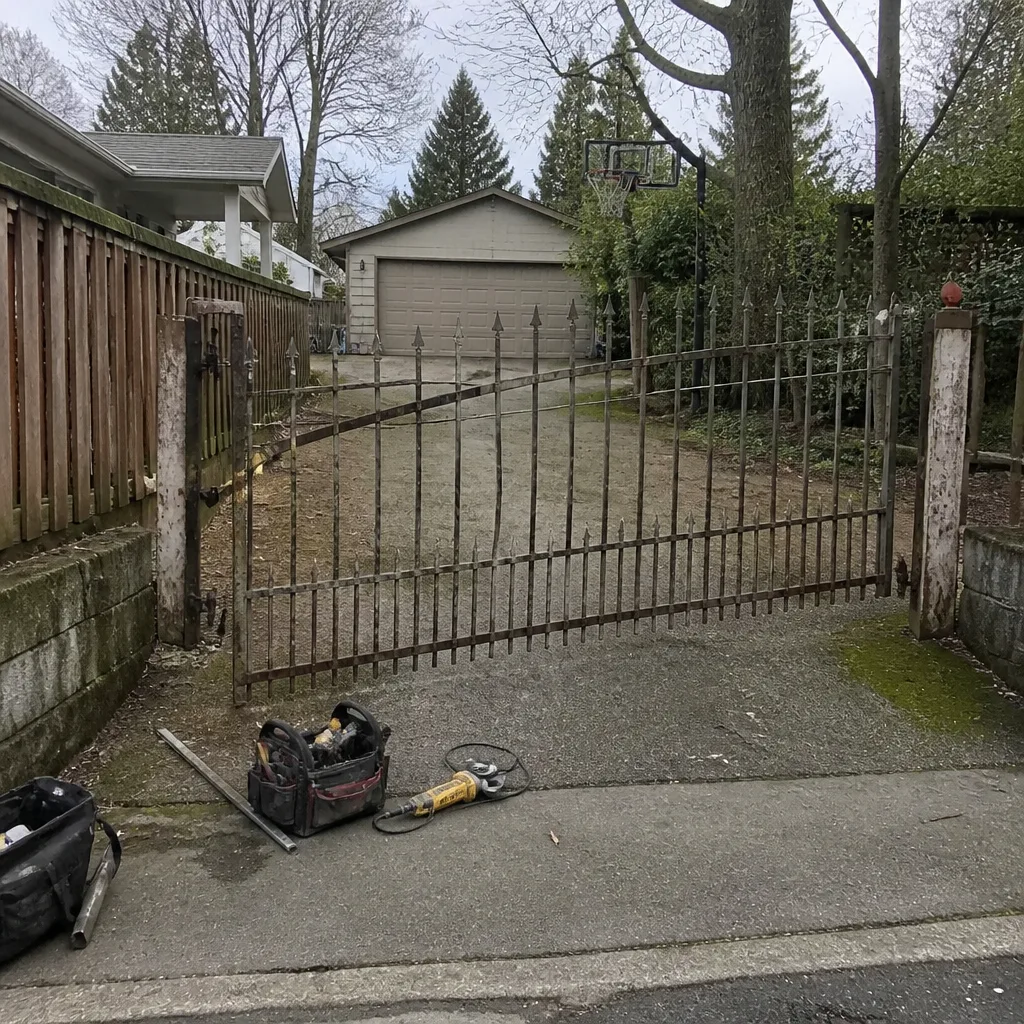 Before
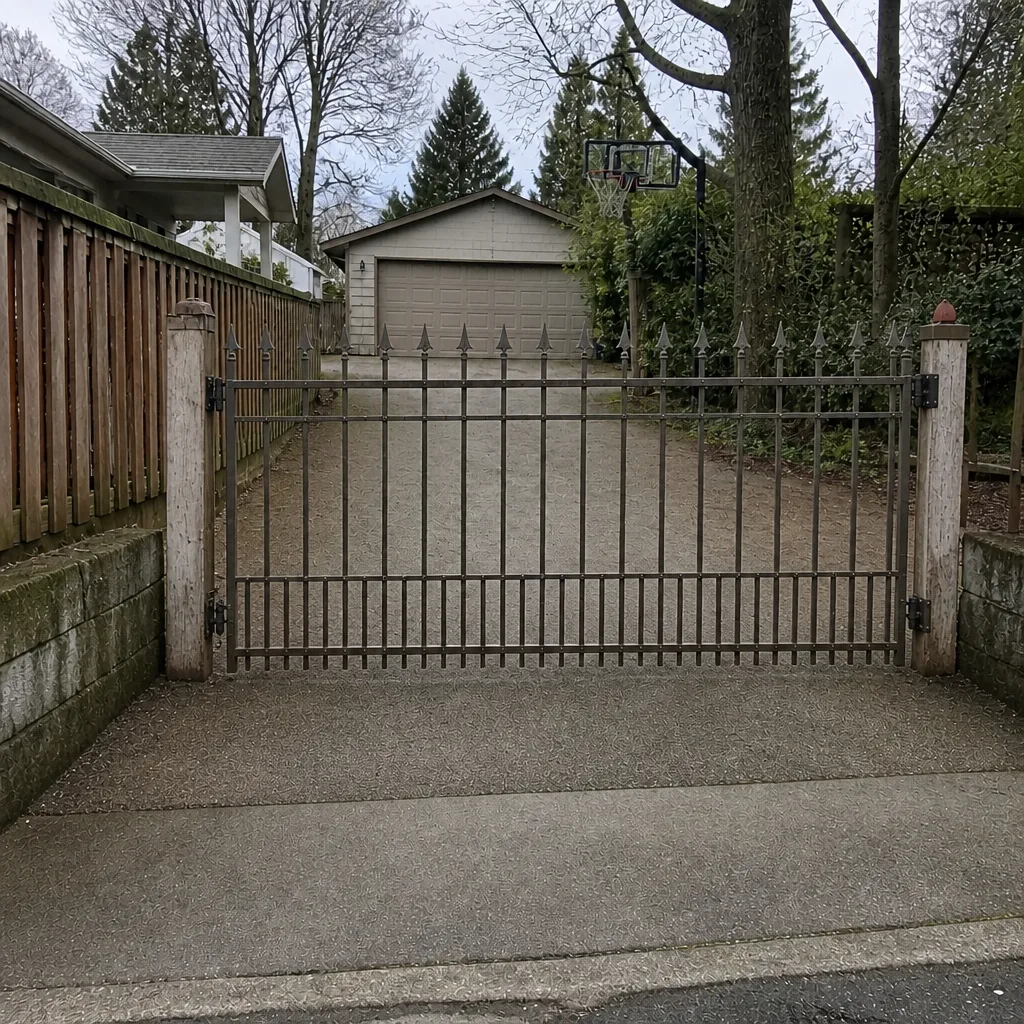 After
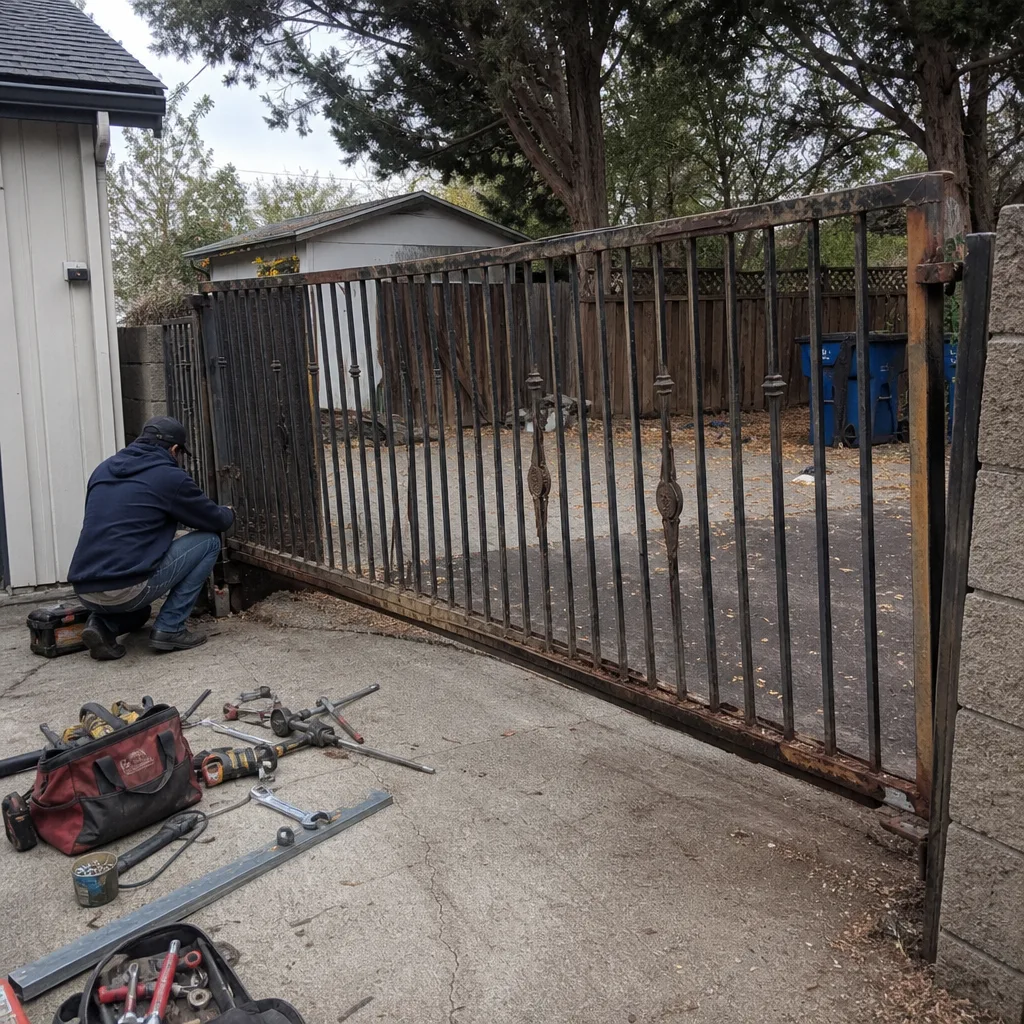 Before
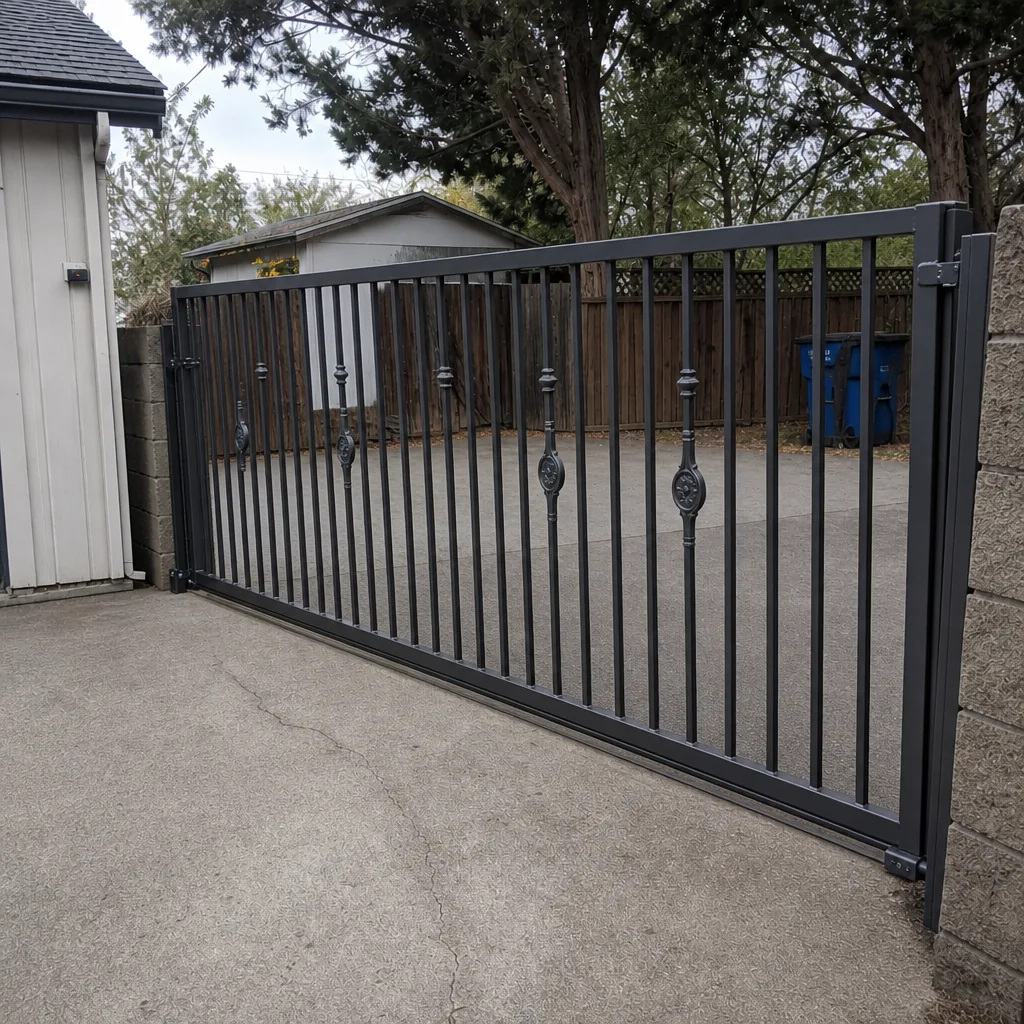 After
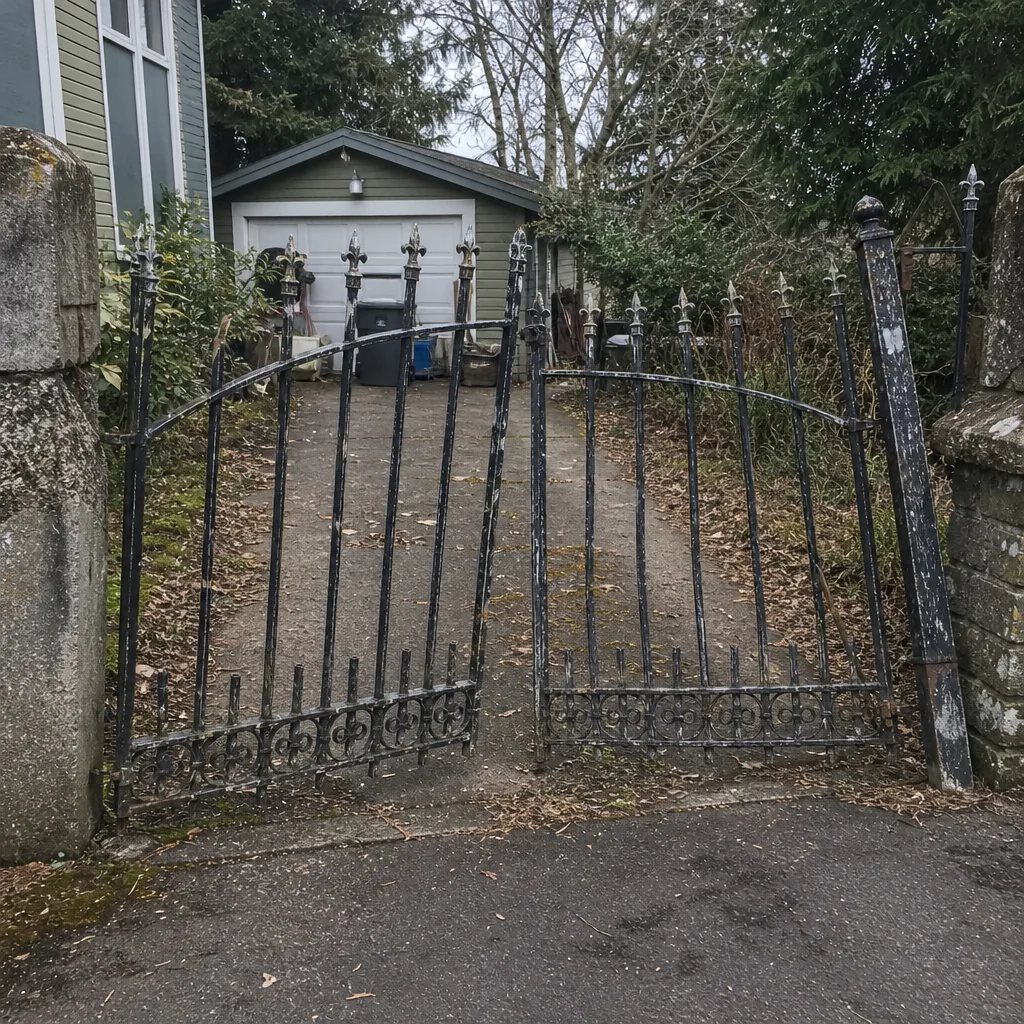 Before
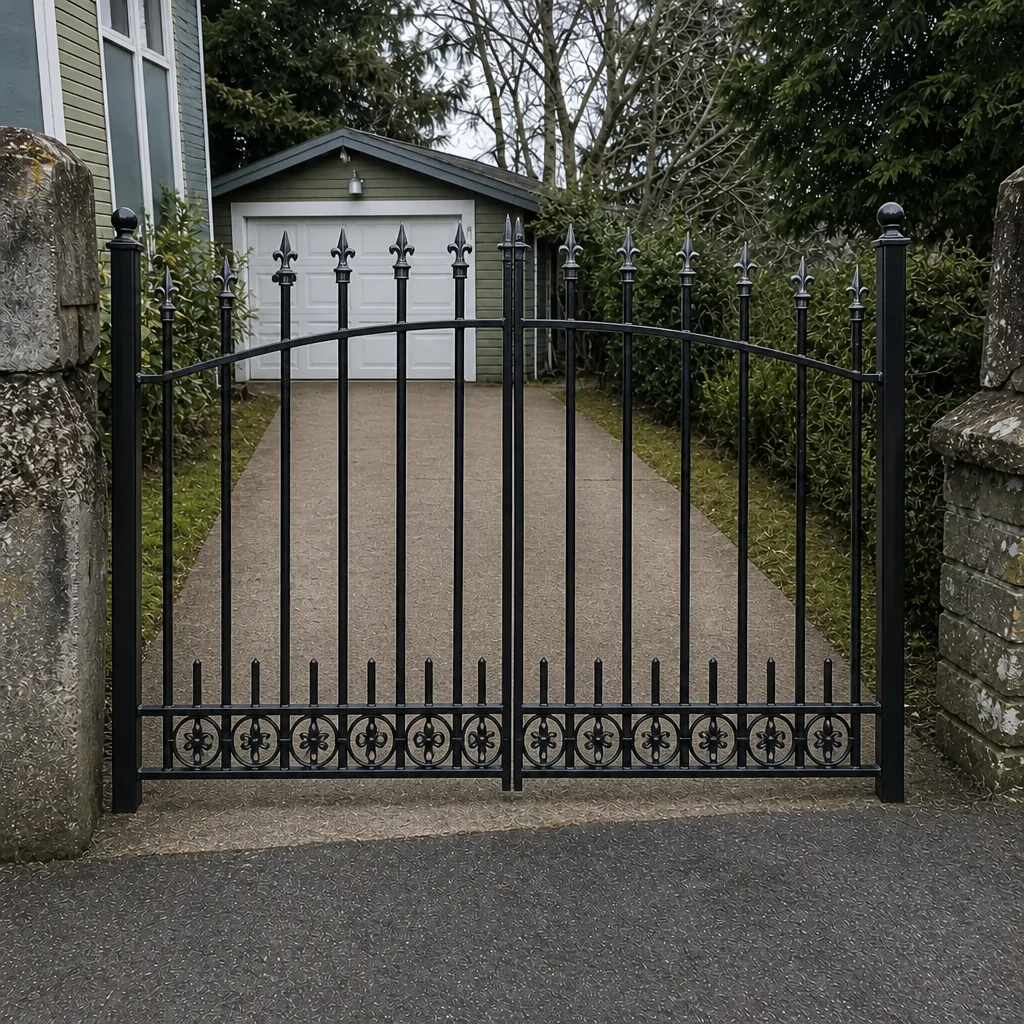 After