Last updated November 24, 2026
 Wrought iron
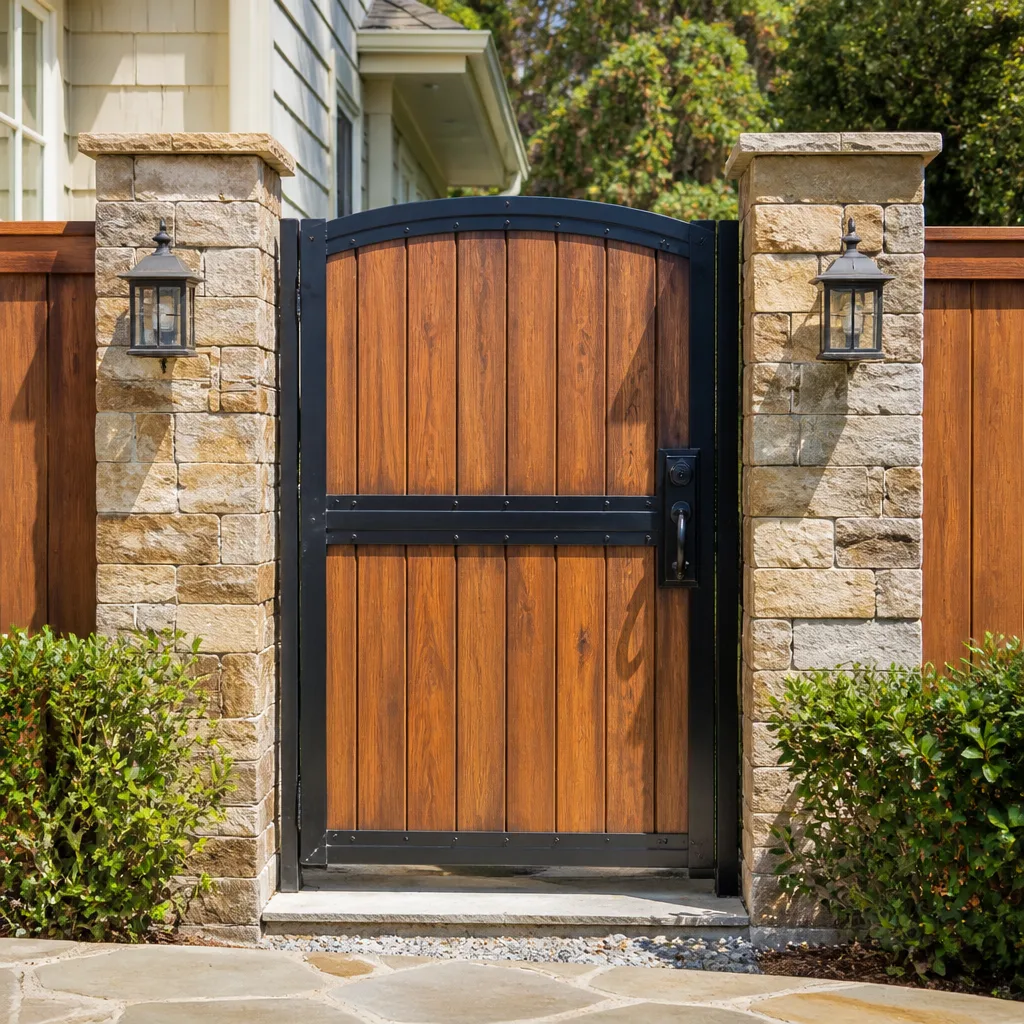 Wood & steel frame
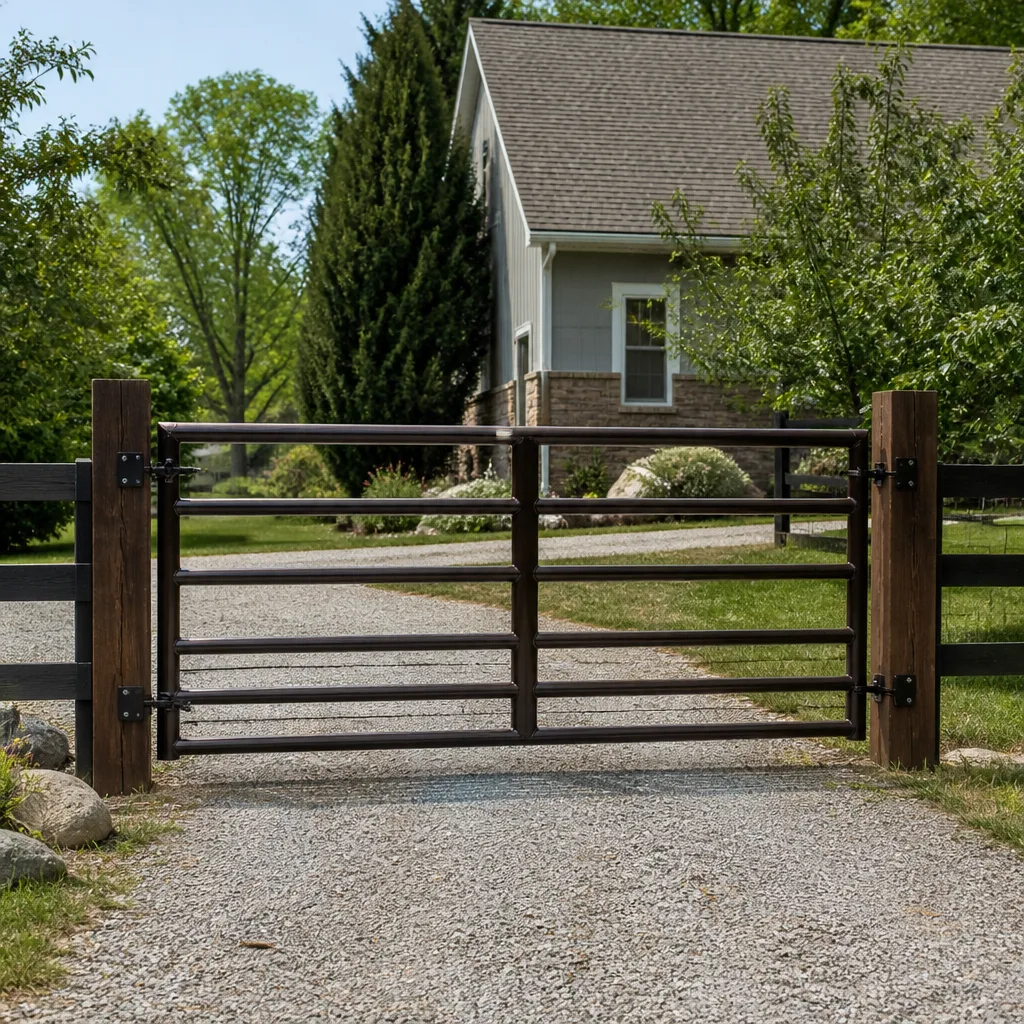 Farm & ranch
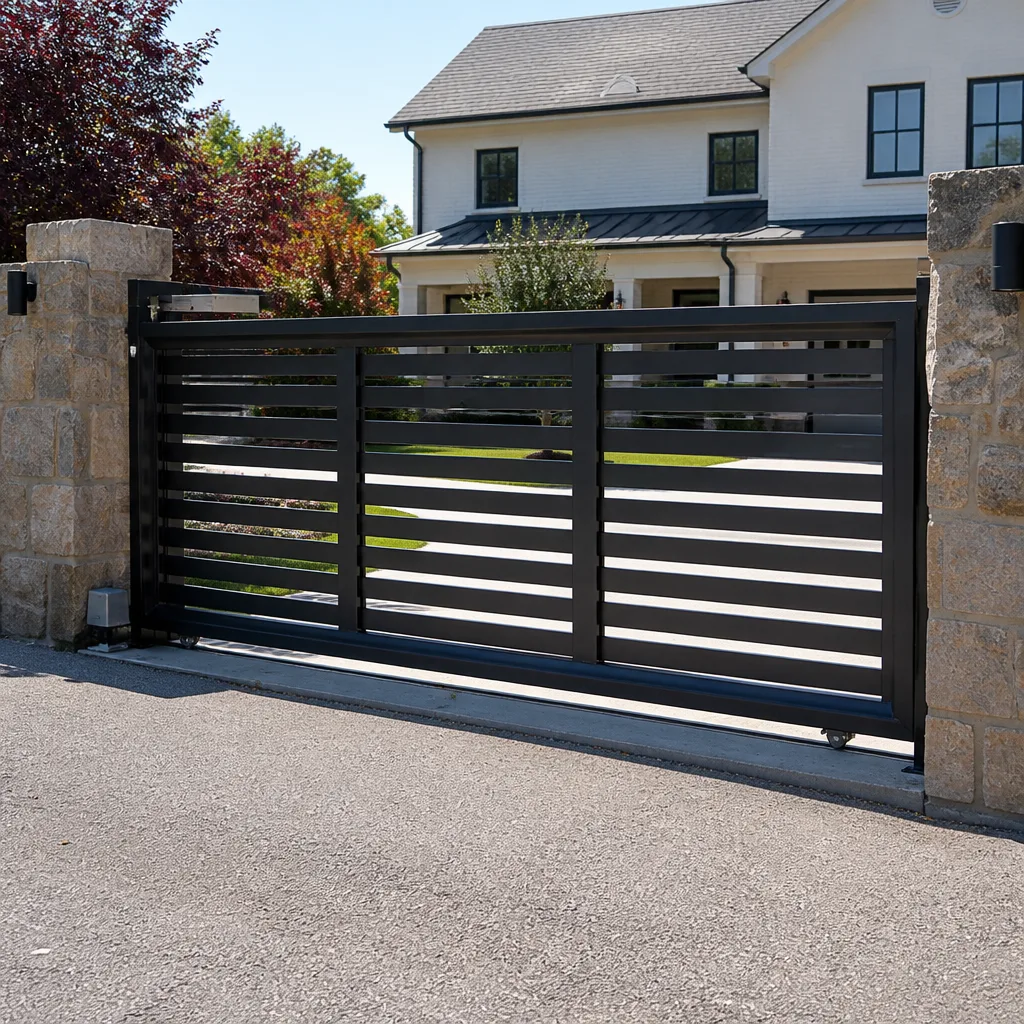 Sliding driveway gates
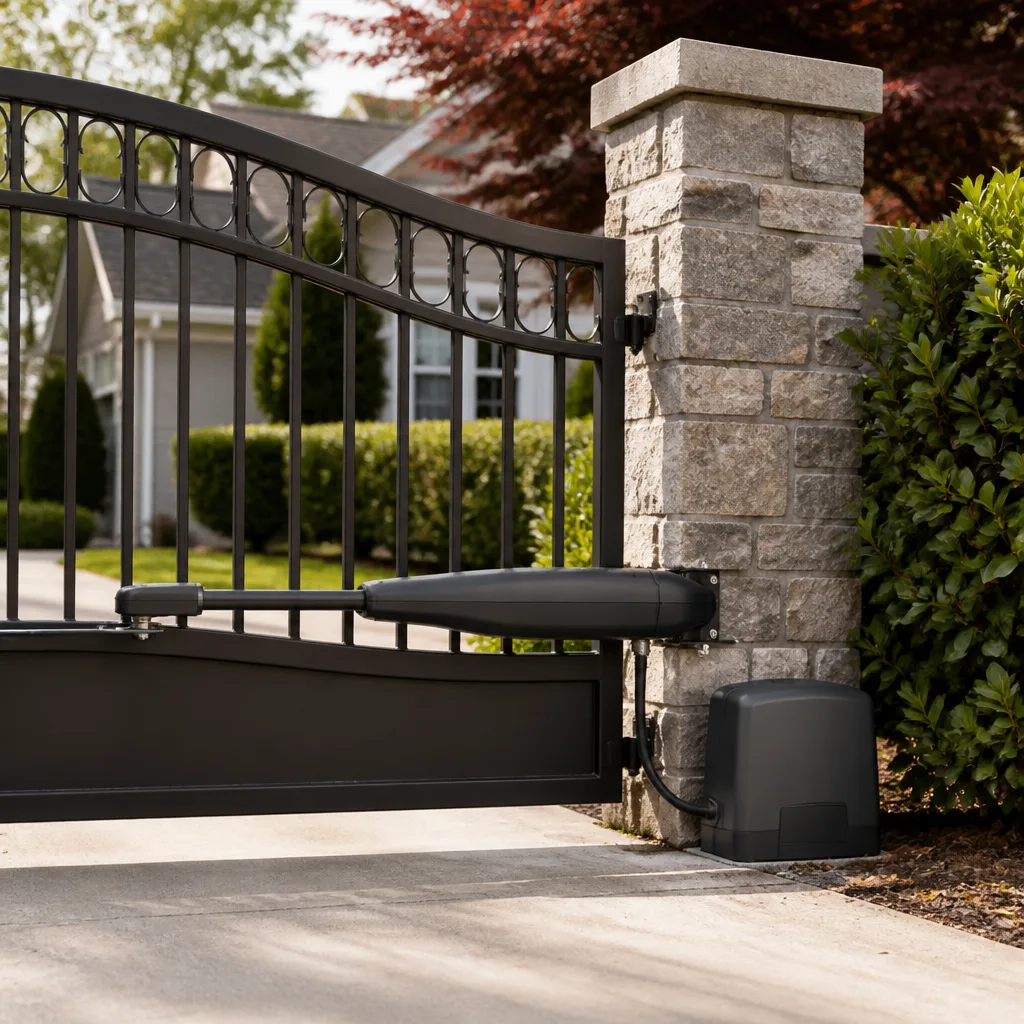 LiftMaster operators
Free on-site gate assessment - hinges, posts, and your LiftMaster or Nice gate operator checked before anything is quoted
The assessment is free and the quote is the invoice.
Get your free estimateGate Repair Maintenance Checklist for West Hills Homeowners
Silicone spray on a rack-and-pinion drive gear is worse than no lubrication at all. It glides on smooth, then grabs every dust particle, leaf fragment and grit of sand that drifts across a West Hills driveway, and that paste grinds the pinion teeth down faster than a dry gear ever would. Most generic maintenance checklists still tell you to spray the whole mechanism and call it done. That advice is wrong for nearly every automated gate system on the market. What you’ll find here is a component-by-component inspection protocol, split by gate type and by automation brand, written for the West Hills homeowner who wants to catch a failing hinge, a waterlogged control box or a weak battery backup before it turns into a gate that won’t open at all.
Quick Answer
A proper gate maintenance checklist for a West Hills home should cover four areas every visit: mechanical inspection of hinges, rollers and tracks; component-specific lubrication matched to the manufacturer’s spec; safe electrical checks at the control box, battery and any solar panel; and a written service log that the next technician can read. Swing and slide gates need different inspection points, and the lubrication that’s correct for a LiftMaster operator is not correct for a FAAC control board cabinet. Skip any of these and you’re guessing, not maintaining.
Styles & brands we work with
- Wrought iron
- Wood & steel frame
- Farm & ranch
- Sliding driveway gates
- LiftMaster operators
Table of Contents
- Swing Gate Inspection Checklist
- Slide Gate Inspection Checklist
- Lubrication by Component: What to Use and Where
- Safe Electrical Checks for Homeowners
- Three Tasks That Void Your Manufacturer Warranty
- How to Log a Maintenance Visit
- Building a Seasonal Schedule for West Hills
- Common Mistakes to Avoid
Swing Gate Inspection Checklist
A swing gate hinges on a small number of moving parts, so when it starts to sag, drag or drift you can trace the problem to a short list. Walk the gate through manually before you touch the automation. Push it through its full arc and listen. A creak at the hinge is a different problem from a creak at the operator arm, and diagnosing by sound saves time later.
- Hinge play. Lift the gate slightly at the outer edge. Any vertical movement means worn hinge bearings. Left alone, worn bearings transfer load to the operator arm, which is not built to carry it.
- Post plumb. Check each hinge post with a level. A post that has drifted out of plumb will make the gate swing unevenly no matter how well the operator is adjusted.
- Arm alignment. On arm-style operators, the arm should be roughly level at the midpoint of travel. A misaligned arm strains the gearbox and stresses the control board.
- Strike and latch. With the operator disengaged, the gate should latch cleanly by hand. If it doesn’t, the operator is fighting the latch every cycle.
- Obstruction sensors and safety edges. Press the edge strip by hand and listen for the operator to reverse. A dead safety edge is a serious problem, not a minor one.
For West Hills homes on sloped driveways, pay extra attention to the arm alignment step. Gravity adds load on every cycle, and the operator compensates by drawing more current, which shortens motor life.
Slide Gate Inspection Checklist
A slide gate has more wear points than a swing gate, and the failure patterns are different. The track, the rollers and the rack-and-pinion drive all wear together, and one neglected component accelerates the others. Here’s what we check when we’re called to a West Hills property for a slide gate that’s started to grind or stick.
- Track cleanliness. Sweep the full length of the track. Debris in the track is the single most common source of premature roller wear.
- Track level and straightness. Run a straightedge along the track. Any bow or dip causes the gate to bind, and a gate that binds will chew through a motor.
- Roller condition. Spin each roller by hand and check for flat spots or play in the bearing. Worn rollers should be replaced in a set, not one at a time.
- Rack and pinion teeth. Inspect the full length of the rack for chipped or worn teeth. Wear typically appears at the two ends of the travel where the gate reverses direction.
- Gate alignment in the guide. The gate should run with consistent clearance in the upper guide. A gate that’s drifted out of alignment in a BFT or LiftMaster slide operator will trip the obstacle detection repeatedly.
- End stops. Check the physical end stops at both extremes of travel. Missing or loose stops cause the operator to slam and eventually damage limit switch cams.
West Hills properties with long driveways often run slide gates over concrete that has settled slightly over the years. That settling is invisible until a gate starts to bind, so the track level check is worth doing even when the gate seems to be working fine.
Lubrication by Component: What to Use and Where
This is where most checklists fail. “Grease the gate” is useless advice because the correct lubricant changes with each component. Silicone spray on a rack-and-pinion drive gear attracts debris and accelerates wear. Ordinary grease on a roller bearing collects grit. Here’s the component-by-component spec we use when we service gates in West Hills.
- Hinges: white lithium grease or a dry PTFE spray. Reapply sparingly. Hinges should be clean to the touch, not coated.
- Rack-and-pinion drive gear: a dry-film PTFE lubricant or the manufacturer’s specified gear lubricant. Never silicone spray. Never general-purpose grease. Both attract debris and turn the gear into a grinding paste.
- Roller tracks: dry. Wipe the track clean with a rag and degreaser. Do not lubricate the track surface, because lubricant holds grit against the roller.
- Roller bearings: a small amount of light machine oil on sealed bearings only if the manufacturer calls for it. Sealed bearings run dry.
- Limit switch cams: dry. Any lubricant on a cam attracts debris that will foul the switch and cause the gate to overshoot or stop short.
- Latch and strike: dry PTFE spray on the contact surfaces, applied sparingly.
When our technicians open a control cabinet on a FAAC or LiftMaster system, the lubrication problems we see most often are silicone on the drive gear and over-greased hinges. Both feel like maintenance. Neither is. If you’re unsure what spec your operator calls for, the written service documentation that came with the system tells you exactly which lubricant the manufacturer approved.
Safe Electrical Checks for Homeowners
You can safely inspect the electrical side of a gate operator for signs of trouble without opening anything, removing a cover or touching a live conductor. What you cannot do is diagnose a control board, replace a battery or wire anything yourself. Those jobs belong to a trained technician, and a gate operator’s cabinet holds mains voltage. Here’s what we suggest a West Hills homeowner check every few months.
- Wire entry points. Look at where the low-voltage and mains wiring enter the cabinet. Any crack, gap or missing grommet lets in moisture. West Hills gets its share of rain, and a wet cabinet is one of the fastest ways to lose a control board.
- Cabinet seal. Run a hand around the door of the control box. A door that doesn’t close flush, or a hinge with a missing screw, means the box is open to weather.
- Battery backup voltage. Many operators have a battery backup that shows a status light or a low-battery indicator. Note the status. Do not open the box to test voltage yourself.
- Solar output. If you have a solar panel, look at it from the ground. Debris or shade on the panel cuts output, and that’s the reason some solar-powered gates fail on cloudy weeks. Leave panel testing to a technician.
- Power disconnect. Confirm you can find the disconnect switch and that it moves freely. If a technician ever needs it in an emergency, you want it operable.
If any of these checks reveal a problem, don’t try to fix it. A gate operator’s electrical faults are exactly the kind of work that a gate repair call is for, and a technician can diagnose mechanical and electrical causes in the same visit.
Three Tasks That Void Your Manufacturer Warranty
Manufacturers build gates and operators to a spec, and they write their warranty terms assuming you’ll respect that spec. Three tasks in particular trigger warranty claims being denied on FAAC, BFT and LiftMaster systems, and most homeowners don’t know it until they’ve done one.
- Drilling through a case or housing for drainage or cable routing. Any hole in an operator housing other than the one the manufacturer provides is an unauthorized modification. It compromises the weather seal and voids coverage of everything inside.
- Replacing a control board fuse with a higher rating. “Fixing” a blown fuse by putting in a larger one is the fastest route to a dead board and a denied claim. The fuse protects the board. If it blew, something downstream caused it.
- Installing a third-party battery or aftermarket opener accessory on a supported brand without the manufacturer’s approval. Both FAAC and LiftMaster will deny claims where a compatible-brand mismatch caused the failure. If you’re not sure whether an accessory is approved, don’t install it.
None of these are mistakes our technicians would make, but we’ve been called to plenty of West Hills properties where a homeowner made one and only found out when they tried to claim. If your gate is still under warranty, ask us before you change anything, and we’ll tell you what the coverage requires.
How to Log a Maintenance Visit
The single most useful thing you can do for the long-term health of your gate is keep a written log. A future technician who can see what’s been serviced and what hasn’t will diagnose faster and quote more accurately, and you’ll stop paying for the same inspection twice.
Here’s the structure we use when we complete a service visit at a West Hills home. Whether you do it yourself or a technician does it, the log should carry five things:
- Date and gate type – swing or slide, with the brand of operator or motor (LiftMaster, FAAC, BFT, Linear, and so on).
- Component-by-component status – hinges, rollers, track, drive gear, safety edges, battery, cabinet seal, all noted as inspected, adjusted, replaced or fine.
- Lubricants used and where – record the product by name. This matters more than it sounds, because a technician needs to know if the drive gear was treated with silicone or a dry-film PTFE.
- Faults found but not addressed – cosmetic wear is worth logging so it gets watched, not ignored.
- Work completed and technician initials – what was actually adjusted or replaced during the visit.
The log is worth keeping whether the gate is a decade-old manual swing gate or a newer automated system. Owners who keep one end up calling us less often, and when they do, our technicians already have the history they need.
Building a Seasonal Schedule for West Hills
West Hills sits in a climate with dry summers and wet winters, and the gate wear pattern reflects that. Most of what fails on a gate here fails at the seams where heat, dust and moisture meet moving parts. A schedule that respects the local pattern looks different from a generic one, so here’s what we recommend.
- Early spring: full mechanical inspection. Check hinge play, roller wear, track level and safety edges after winter rain. Confirm the cabinet seal and wire entry points survived the wet season.
- Late spring: drive gear and rack inspection. Dust is starting to build, and this is the season when lubricant choice matters most.
- Midsummer: battery backup and solar output check. Long, hot spells push batteries hard, and a weak battery will fail silently until a power outage.
- Early fall: pre-winter service. Lubricate hinges and the rack to spec, confirm the cabinet door is tight, and test safety edges before the rainy season.
- As needed: anything unusual – a grind, a drift, an operator that runs longer than it used to.
Two to three service visits a year is what most automated gates need in West Hills, and the pattern above is a good starting point. Manual gates need fewer visits but still benefit from the spring and fall checks. If you’re not the type to keep the schedule yourself, a professional gate motor & opener service visit covers the operator side of the checks, and any mechanical wear you’ve noticed can be evaluated in the same appointment.
Common Mistakes to Avoid
- Spraying silicone lubricant on a rack-and-pinion drive gear. It looks effective and it accelerates wear by trapping debris. West Hills dust makes this worse, and the gear grinds faster with silicone on it than with no lubricant at all.
- Greasing roller tracks. Rollers and tracks run dry by design. Lubricant attracts grit, and grit flattens the roller surface.
- Skipping the safety edge test. A dead safety edge is easy to overlook because the gate still opens and closes. It’s a safety failure, not a cosmetic one, and it deserves a full check every visit.
- Replacing a blown fuse with a higher-rated one. This voids warranty coverage on FAAC, BFT and LiftMaster boards, and it usually ends with a dead control board later.
- Drilling a drain hole in an operator housing or control box. A hole the manufacturer didn’t authorize voids coverage and lets in more moisture, not less.
- Doing electrical repairs yourself. A gate operator cabinet carries mains voltage. Diagnosing it is a technician’s job.
- Skipping the log. A gate without a service history gets re-inspected from scratch on every visit, which costs more and slows diagnosis.
See the difference
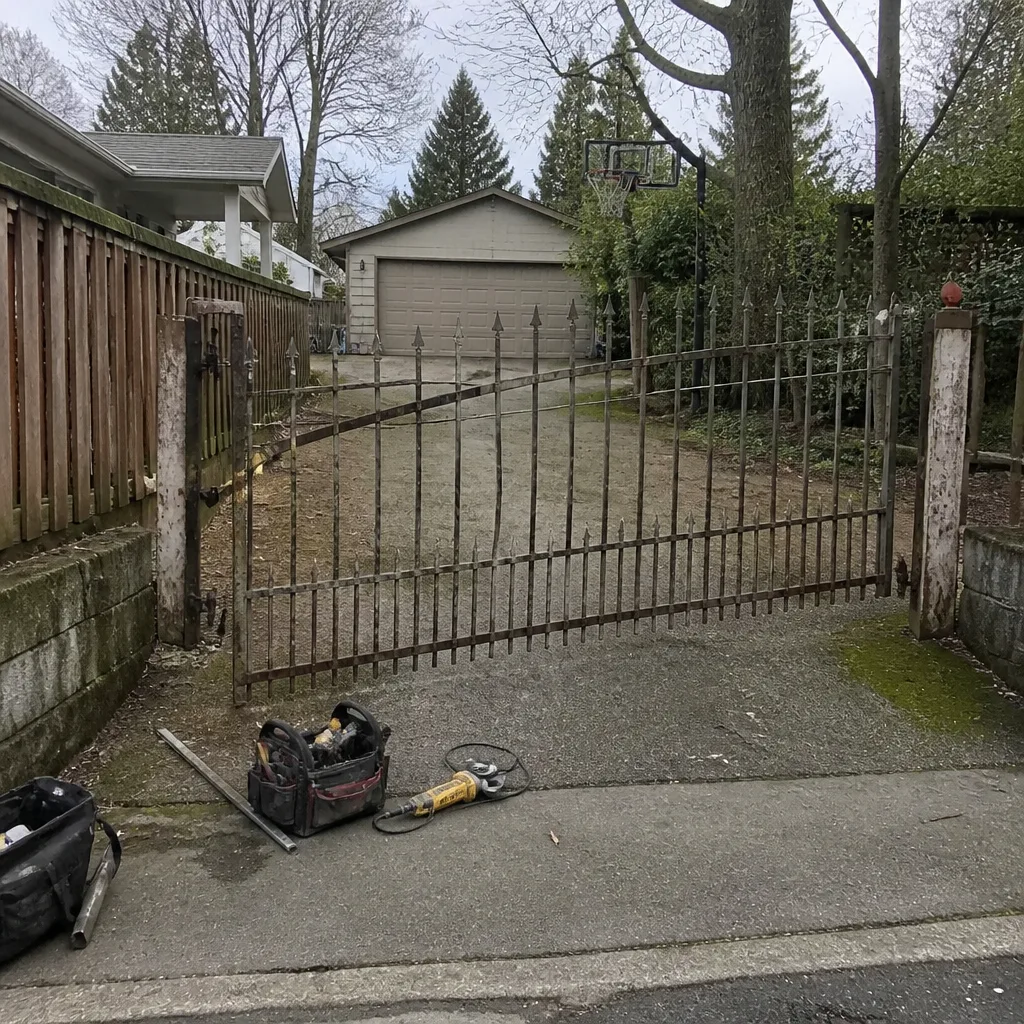 Before
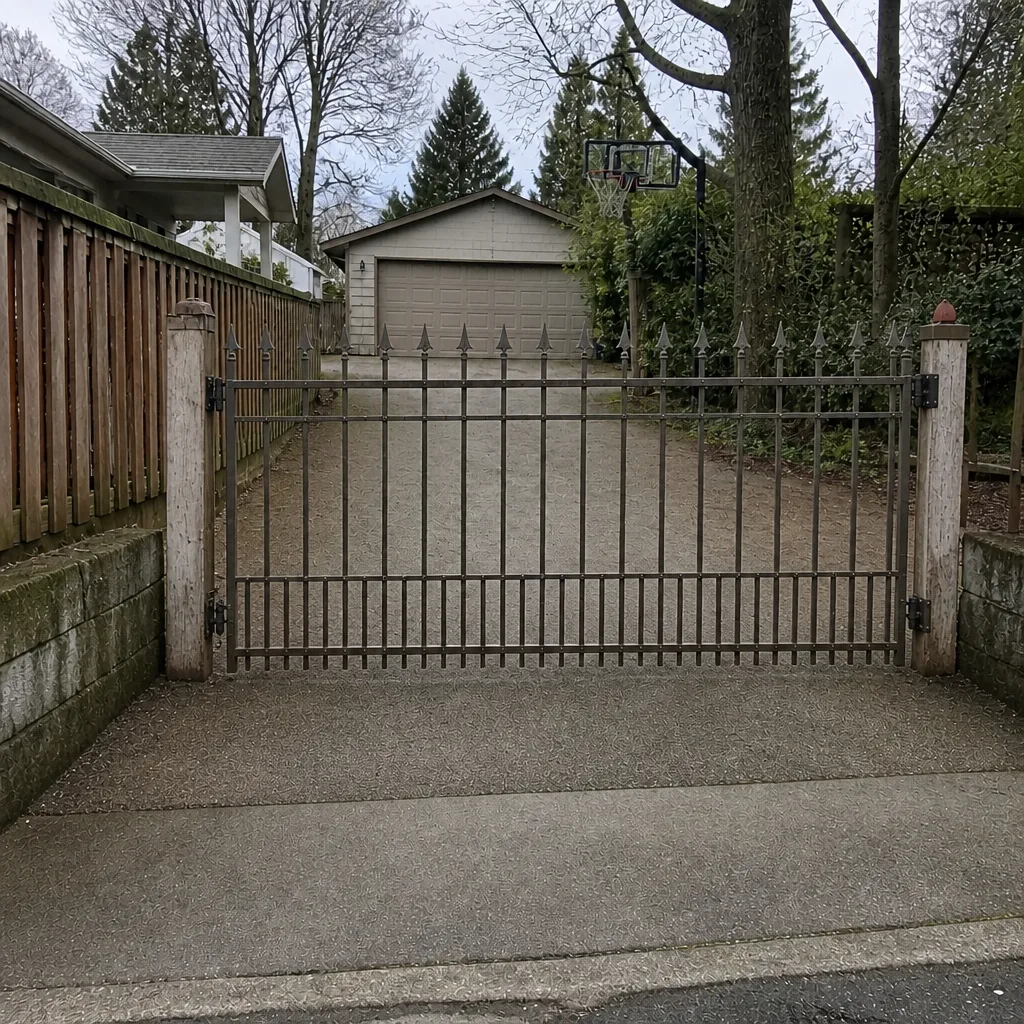 After
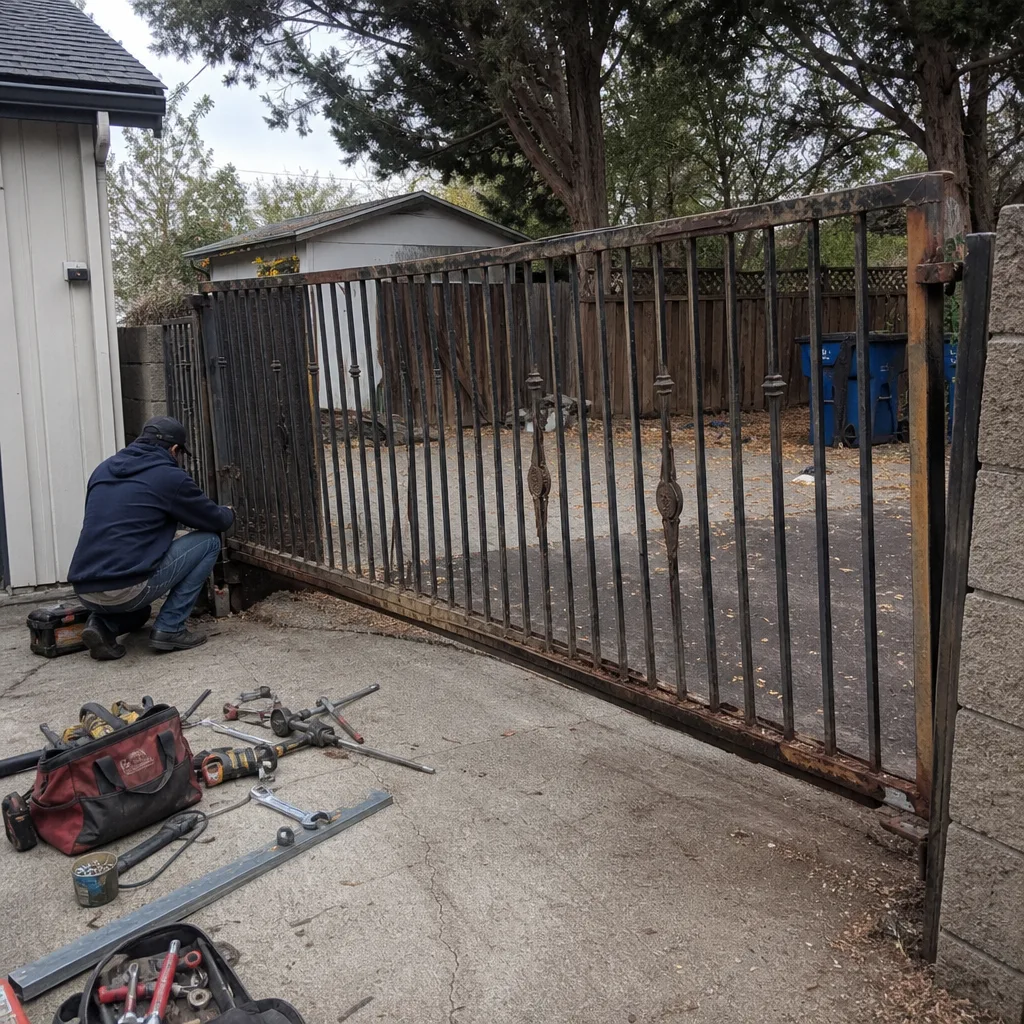 Before
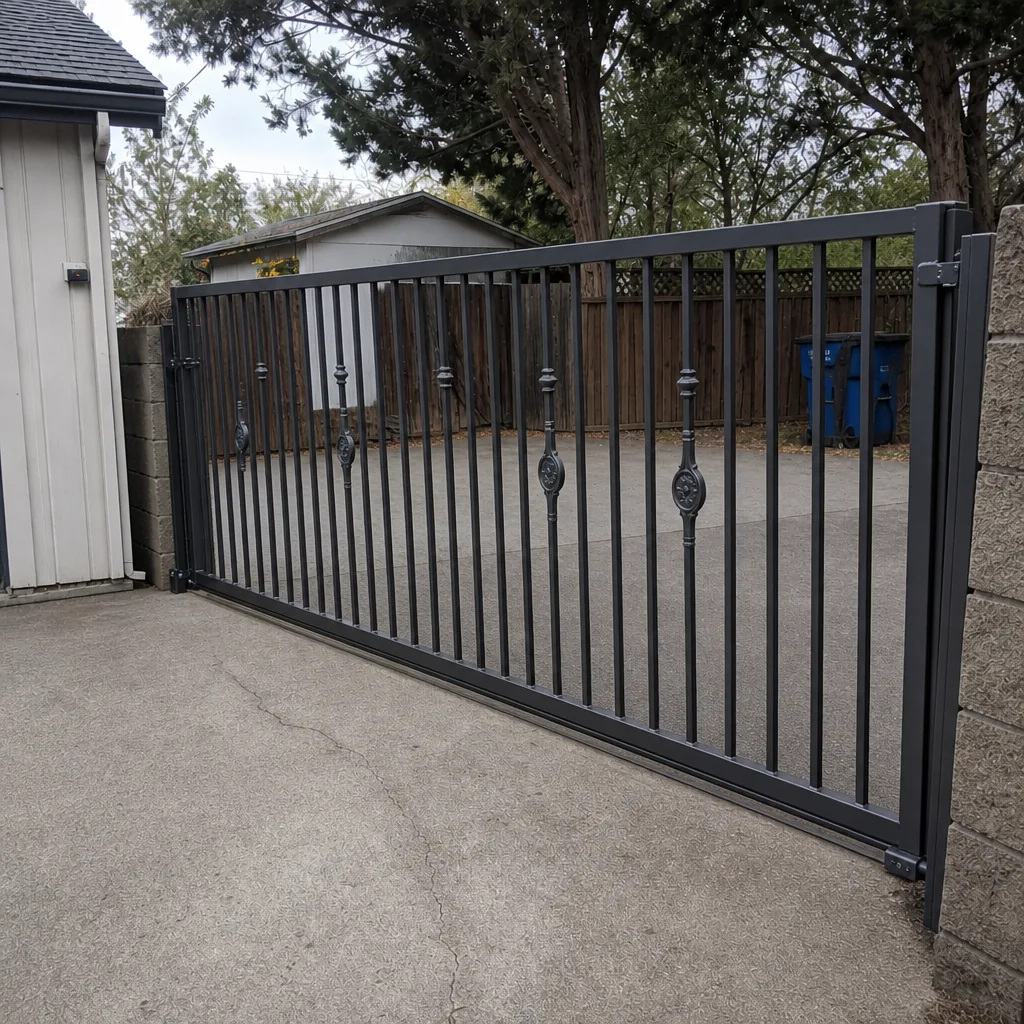 After
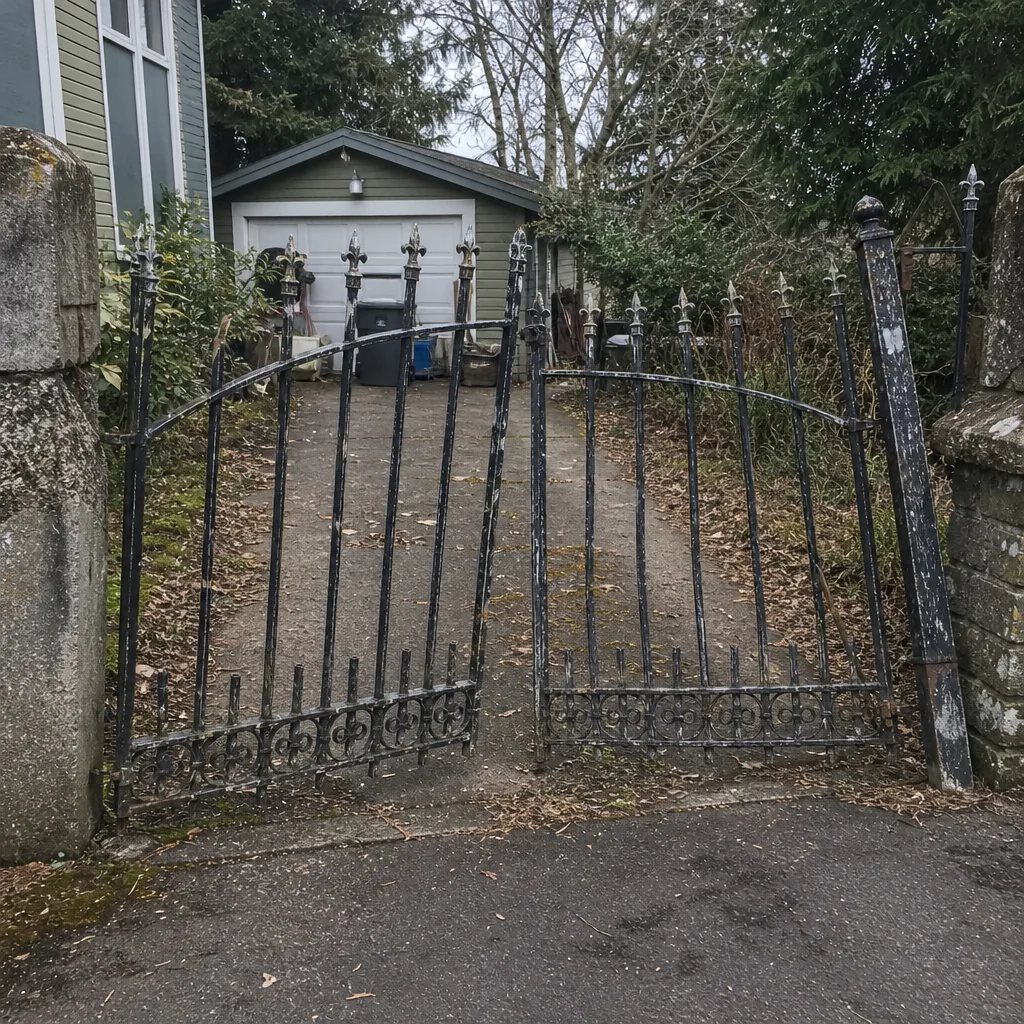 Before
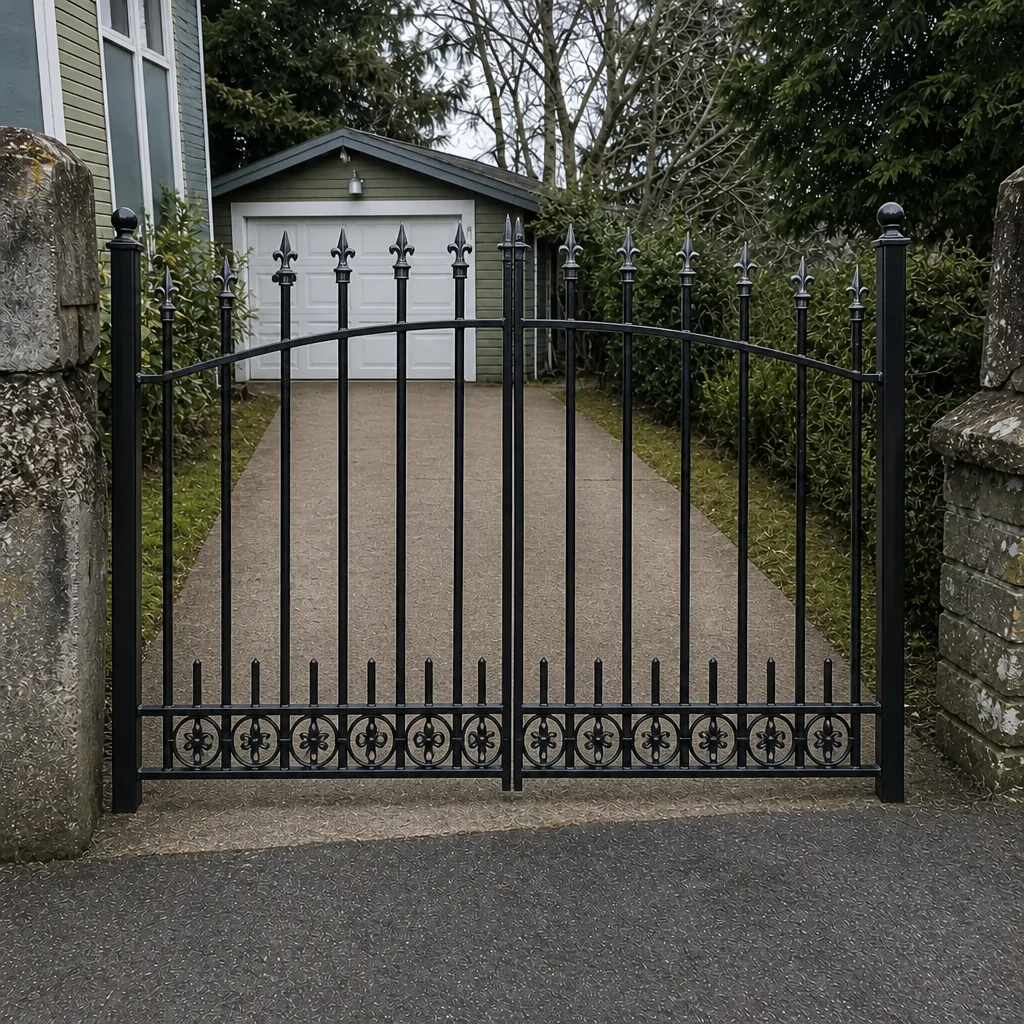 After
When to Call a Professional
Some gate faults are maintenance. Others are the kind of failure that needs a trained eye and the right tools. Call us when any of these show up:
- The gate reverses without meeting an obstruction
- The operator runs but the gate doesn’t move
- Safety edges don’t trigger a reversal when pressed
- A control board indicator shows a fault on a FAAC or LiftMaster system
- The gate has started to sag or bind after a season
- You’re within the warranty window and something isn’t working
- A slide gate has come off the track or is running inconsistently
Our technicians have up to 11 years of experience across the major gate brands, and we work on the system you already have. Gate Repair West Hills offers free estimates in West Hills. Call (877) 492-4403 and we’ll set a time to look at the gate, write out what we find and quote the repair before any work starts.
Frequently Asked Questions
Two to three professional service visits a year is standard for an automated gate in West Hills, with a spring and fall check as the minimum. A busy driveway or a slide gate with heavy daily cycles may need more. A well-kept log tells you when the last visit was and what was checked.
Yes, for hinges and dry-contact surfaces where the manufacturer’s spec is clear, using white lithium or dry PTFE spray. Do not lubricate the drive gear with silicone and do not grease the roller tracks. If you’re unsure what a specific FAAC or LiftMaster operator requires, ask a technician before applying anything.
The most common cause is the obstacle-detection or safety-edge circuit tripping, which can mean a loose wire, a dead safety edge or a control board fault. A less common cause is a binding hinge or roller drawing too much current. In West Hills, moisture in the cabinet is often behind these faults, so it’s worth having a technician look at both the mechanical and the electrical side.
Proper maintenance never voids a warranty. Improper maintenance can. On FAAC, BFT and LiftMaster systems, the tasks most likely to void coverage are drilling unauthorized holes in the housing, replacing fuses with a higher rating, and installing unapproved aftermarket accessories. If you’re unsure, ask first.
Usually not, if the service is limited to mechanical and lubrication work. Access control programming, including keypad codes and DoorKing integration, is separate from routine maintenance and stays intact. If a control board is replaced, keypad and fob programming has to be redone, and we handle that on site.
Swing gates revolve around hinges, posts and the operator arm, and the inspection focuses on hinge play, post plumb and arm alignment. Slide gates wear at the track, rollers, guide and rack-and-pinion drive, so the inspection centers on track cleanliness, roller condition and gear wear. Both need safety edge testing and cabinet checks, but the mechanical inspection points are different.
The Bottom Line
A gate maintenance checklist works when it’s specific: which lubricant, which component, which brand, which inspection point. Generic advice like “grease the gate” and “call a pro if something’s wrong” doesn’t help a West Hills homeowner catch a failing hinge or a waterlogged control cabinet before it becomes a repair. Split the checklist by gate type, follow the manufacturer’s lubrication spec, stay out of the electrical cabinet unless you’re qualified, and keep a log every visit. That’s the routine that extends the life of a LiftMaster, FAAC, BFT, Linear, or any other gate on the property. When you’d rather not handle the protocol yourself, we can. Call (877) 492-4403 for a free estimate, and we’ll walk through the gate with you and put a written plan in your hand. Whether you’re starting with gate installation or bringing an existing system back into shape, Gate Repair West Hills handles the full checklist, the same visit.
Written by the team at Gate Repair West Hills.