Last updated November 24, 2026
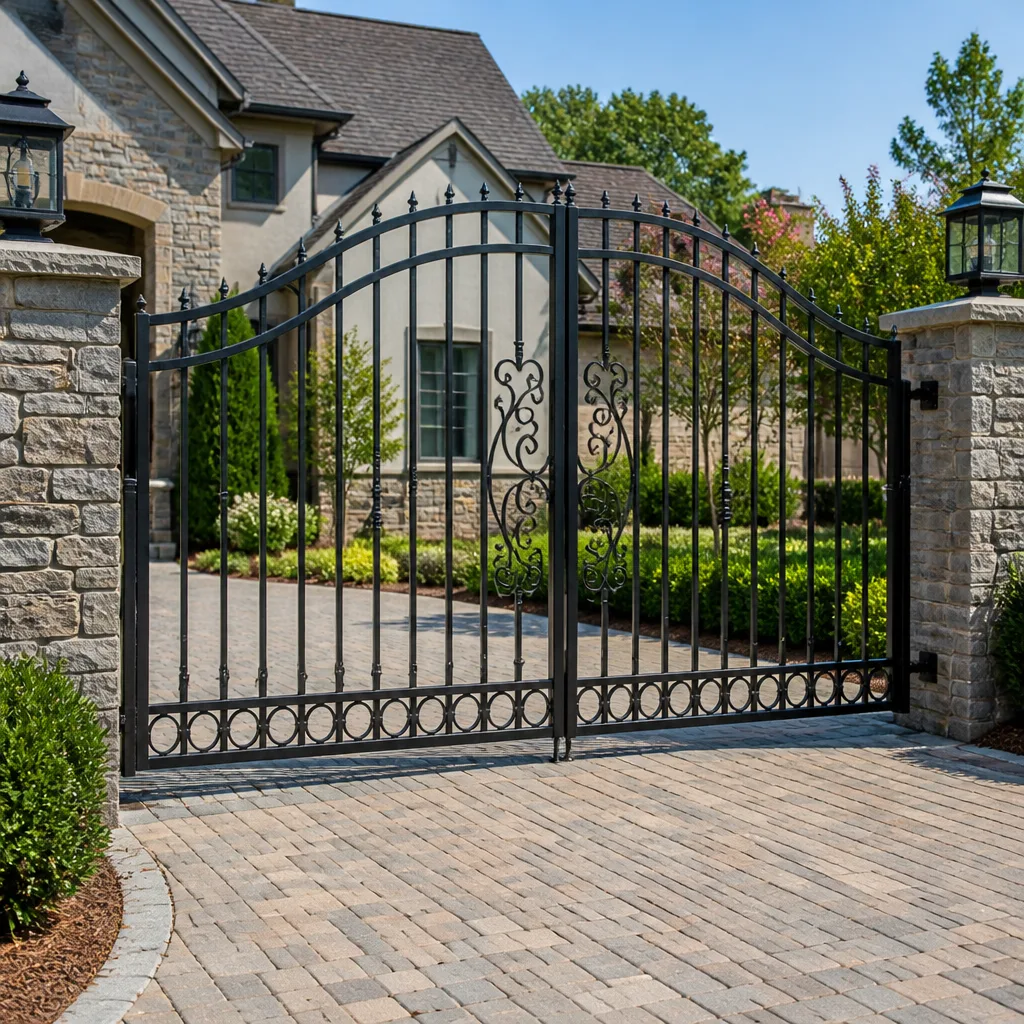 Wrought iron
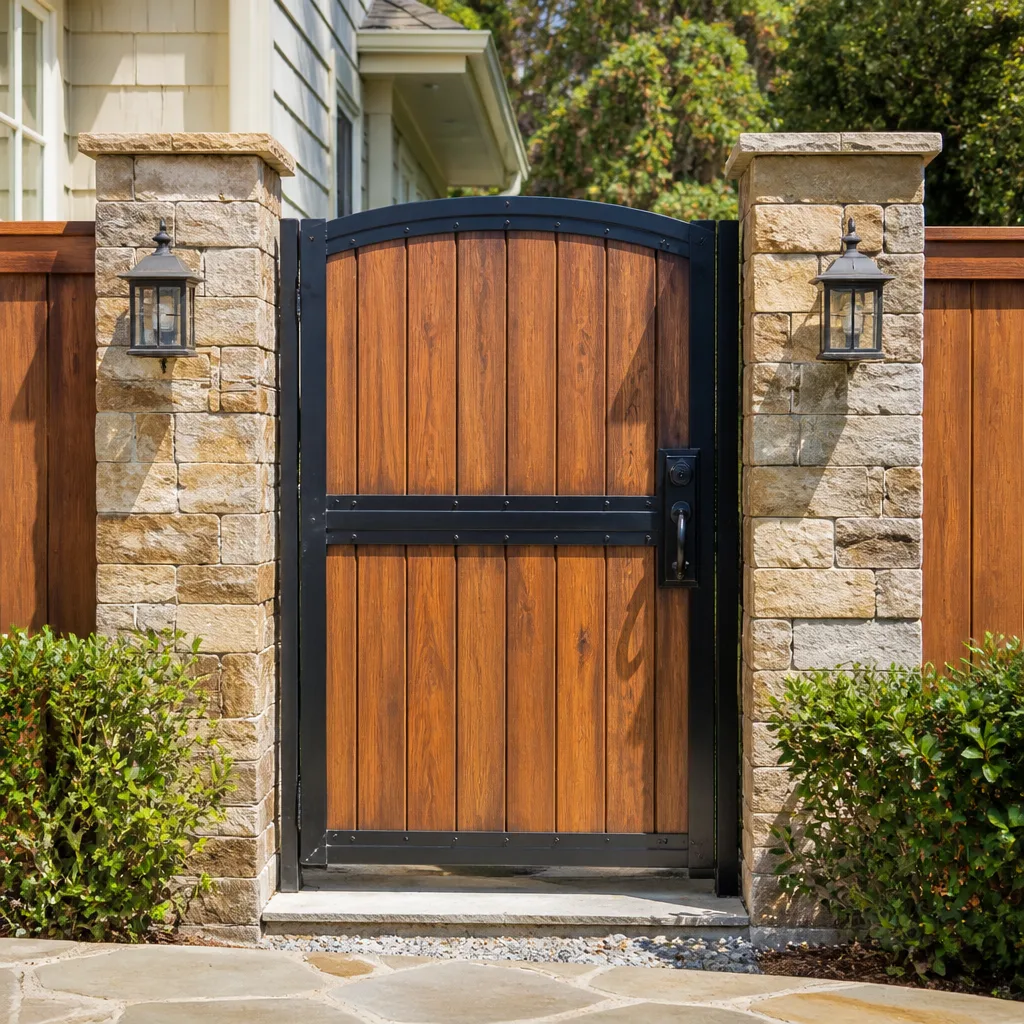 Wood & steel frame
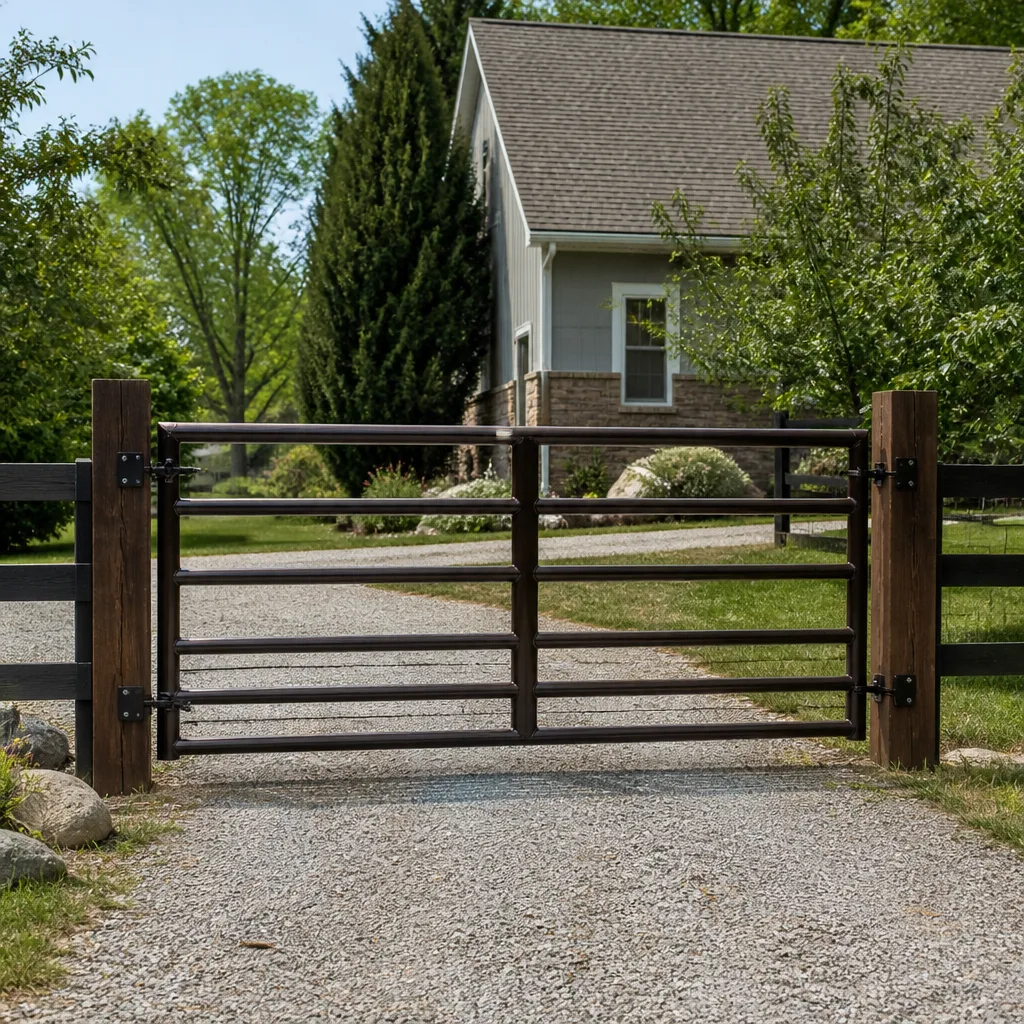 Farm & ranch
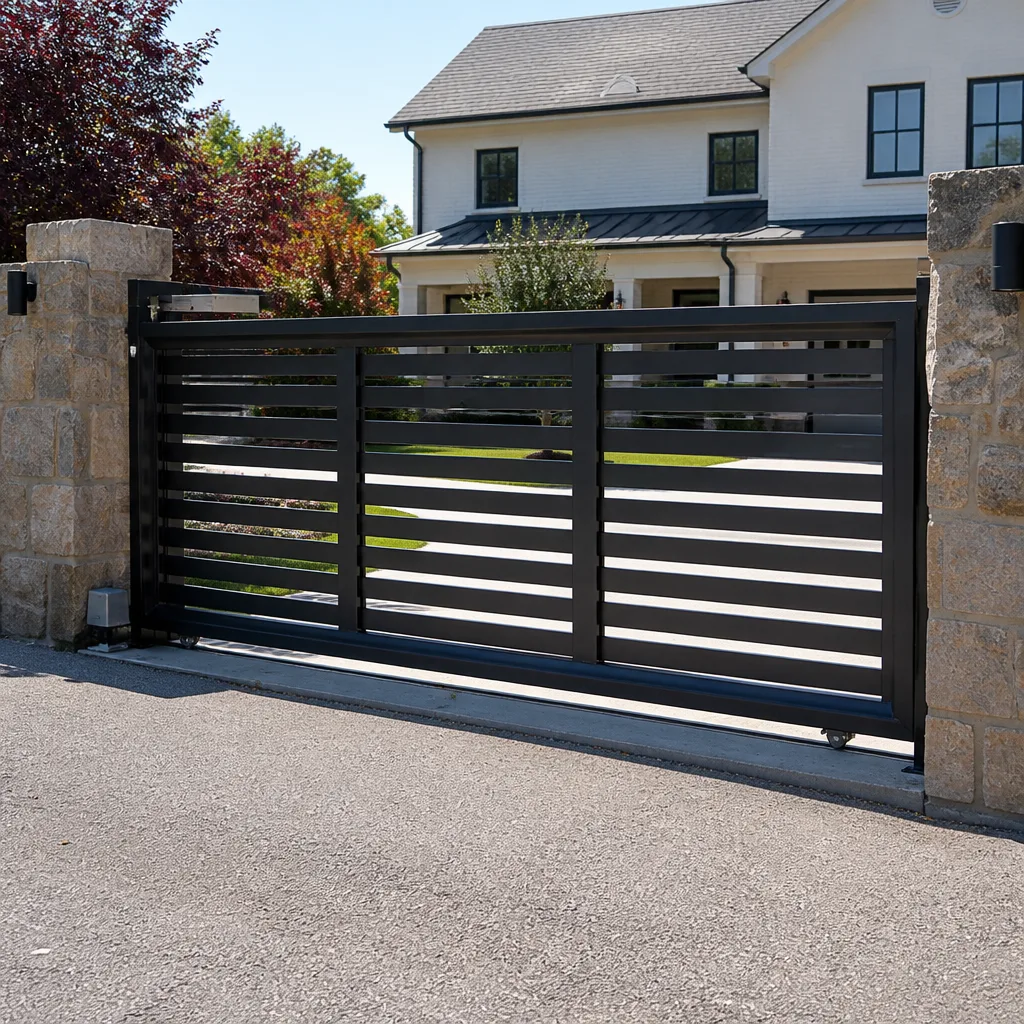 Sliding driveway gates
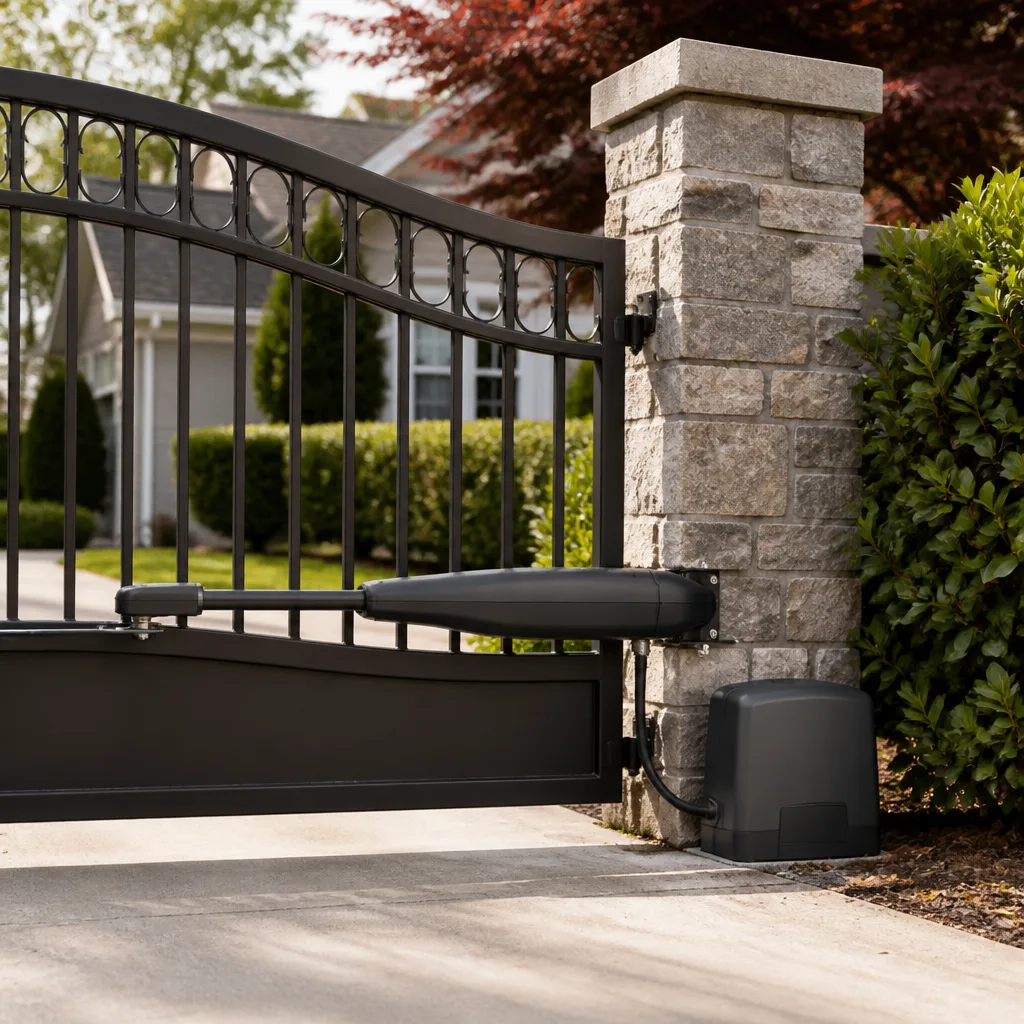 LiftMaster operators
Free on-site gate assessment - hinges, posts, and your LiftMaster or Nice gate operator checked before anything is quoted
The assessment is free and the quote is the invoice.
Get your free estimateGate Repair Warning Signs: A West Hills Homeowner’s Reference Guide
A gate that hesitates for two seconds before it moves isn’t just “getting old.” That pause is often the drive gear skipping under load, which can put you 30 to 60 days from a complete drive failure that leaves the gate stuck open or stuck shut. Most homeowners read a grinding noise as minor and a sagging hinge as cosmetic, when the two point at very different kinds of trouble. This guide decodes what your gate is actually telling you, maps each symptom to the component behind it, and sorts the warnings into ones you can watch and ones that need a technician now. We work on gates across West Hills and see these patterns constantly.
Quick Answer
The warning signs of a failing gate fall into two groups: safety-critical problems (sagging hinges, a gate that reverses on contact, exposed operator wiring, a slide gate coming off its track) that need a professional before the gate is used again, and reliability problems (grinding, clicking relays, flashing operator lights, slow cycles) that signal a component wearing out and should be diagnosed soon. Any change in how your gate sounds, moves, or stops is worth reading. In West Hills, where temperature swings between summer heat and cold valley nights work hinges and arms harder, the earliest signs show up in how the gate moves before anything breaks.
Styles & brands we work with
- Wrought iron
- Wood & steel frame
- Farm & ranch
- Sliding driveway gates
- LiftMaster operators
Table of Contents
- Symptom-to-Component Map: What Each Warning Means
- Safety-Critical Warnings vs. Convenience Failures
- Reading Operator Error Codes: LiftMaster, FAAC, and BFT
- Visual Checks You Can Do Without Tools
- Urgency Levels: How Fast Each Sign Needs Attention
- When Deferred Maintenance Has Already Cost You Component Life
- Power, Wiring, and the Signs You Should Never Touch
- How West Hills Conditions Accelerate Gate Wear
Symptom-to-Component Map: What Each Warning Means
Every noise and quirk your gate makes traces back to a specific part, and knowing which part helps you judge how urgent it is. When a West Hills homeowner calls us, the first question is usually “is this serious?” A quick map of symptoms to components answers that before we ever arrive.
- Grinding during travel usually points to the drive gear or the rack-and-pinion teeth on a slide gate wearing unevenly. It’s an early sign the teeth are stripping, and left alone it ends in a gate that stalls mid-track.
- A rhythmic clicking from the operator housing is often a relay or contactor struggling to hold the circuit. It can be a control board on its way out or loose terminal connections.
- A flashing light on the operator is the control board reporting a fault it has already detected. The pattern, not the fact that it flashes, is the message.
- A gate that reverses before it closes fully points to the safety edge, the photo-eye, or the force setting. It’s the most safety-relevant signal on this list because it means the gate is detecting an obstruction it can’t clear, real or sensed.
- A slow, labored cycle suggests a binding hinge, a tired motor, or voltage drop. The gate is fighting resistance it shouldn’t have to overcome.
The core lesson here is that the same complaint, “my gate is acting up,” splits into very different repair paths depending on the symptom. A grinding slide gate and a reversing swing gate need different technicians and different parts. And when we repair a gate in West Hills, we diagnose the brand and the mechanism together, because a LiftMaster operator and a Linear unit respond to the same symptom differently.
Safety-Critical Warnings vs. Convenience Failures
The most important judgment you’ll make about your gate is whether it’s failing dangerously or just failing. A convenience failure means the gate doesn’t open when you press the remote. A safety failure means the gate can hurt someone or damage the vehicle passing through it. Sorting the two is the difference between booking a service call soon and stopping use immediately.
Safety-critical signs include a swing gate whose hinge has worked loose so the panel drops below its level and scrapes or binds, a slide gate that has come off its track or roller, a gate that reverses on contact with a person or car (or fails to reverse at all), and any exposed or damaged wiring at the operator, keypad, or intercom. These are entrapment and crushing risks. A heavy gate panel on a failed operator can free-fall, and a slide gate off its track can tip. Treat these as stop-use problems and call a gate technician before anyone cycles the gate again.
Convenience failures are real problems, but they don’t carry physical risk in the same way: a remote that stopped pairing, a keypad that no longer responds, a motor that’s noisy but reliable, a gate that opens slowly. These deserve diagnosis, and they tend to get worse, but you can schedule them. The gray area is the reversing cycle. A gate that reverses when nothing is there suggests a photo-eye is misaligned or a safety edge is damaged. If it reverses on contact, that’s a safety-critical fault, not a nuisance.
In our experience across West Hills, the majority of “urgent” calls are actually convenience failures that got ignored for months and turned into safety issues. A loose hinge is minor. A hinge that let the panel drop onto a car is not.
Reading Operator Error Codes: LiftMaster, FAAC, and BFT
Modern operators are their own diagnostic tool. Each brand reports faults differently, and reading the report correctly saves you a service call that’s really a ten-minute reset. Here’s how the three systems most common on West Hills properties communicate.
LiftMaster operators use a blink code on the control board’s diagnostic LED. The gate or door moves a short distance, pauses, then the LED blinks a set number of times, and the sequence repeats. The number of blinks maps to a fault category such as a safety-reversing sensor problem, a wiring fault, or a limit and travel issue. Counting the blinks and looking up that count in the manual for your specific model tells you which system to check. A single blink pattern is often a safety-eye problem; a different pattern points at the travel limits.
FAAC boards use an LED diagnostic sequence that cycles through a set of flashes and pauses to announce specific faults, from encoder faults to obstacle detection to power or battery issues. FAAC’s convention is a pattern of flashes followed by a pause, and the number and rhythm are meaningful. The pattern, read against the manual for your board, tells a technician which input is faulting before the panel is even opened.
BFT operators commonly report encoder errors, which mean the control board has lost track of the gate’s position. On a BFT system, an encoder fault can leave the gate unable to find its limits, which may trip the operator into a fault state after a partially completed cycle. Related BFT codes point at obstacle detection or safety-edge faults.
The takeaway: before calling, note the exact blink or flash pattern and the brand on the housing. That detail lets a technician arrive already knowing what to expect. We work on the brand you already have, so whether it’s a LiftMaster board or a BFT control board, the diagnostic start is the same.
Visual Checks You Can Do Without Tools
You don’t need a meter or a screwdriver to catch most early warning signs. A two-minute walkaround with your eyes and hands is enough to find the wear indicators that matter. Do these checks on a gate that’s powered off and at rest, and never reach into the operator or the moving path of the gate.
- Look at the hinge gap. On a swing gate, each hinge should sit tight with a consistent gap between the post bracket and the gate frame. A widening gap, a hinge that looks cocked, or a pin that’s worked partway out means the hinge is wearing. This is the single most common cause of a sagging gate panel.
- Run a hand along the slide gate track and rollers. On a slide gate, feel the bottom track for flat spots, debris, or a bowed section, and look at the rollers for flat spots or uneven wear patterns. A roller worn on one side tells you the gate is riding crooked.
- Check the arm linkage on a swing operator. The arm that connects the operator to the gate should be snug at both ends. Loose linkage clunks when the gate starts or stops, and it stresses the operator’s drive over time.
- Test the safety edge and photo-eye by hand. With the gate powered and idle, walk the beam path of the photo-eye with an object; the operator should register the obstruction. On a safety edge, press the leading edge gently to confirm it responds. Both should stop or reverse the gate.
- Look for rust or paint failure at the frame welds and hinge mounts. Surface rust on the outside of a frame is cosmetic. Rust bleeding out of a weld or a hinge mount is a sign of internal corrosion weakening the joint.
- Listen at the operator housing. Any hum that continues after the gate has stopped, clicking while idle, or a buzzing board points to electrical or relay issues worth noting.
What you find in these checks is the vocabulary you bring to a repair call. It’s why our gate repair team asks what you saw and heard before we diagnose, especially on older West Hills properties where the same gate has been through many summers and winters.
Urgency Levels: How Fast Each Sign Needs Attention
Not every warning deserves the same response. Assigning a realistic urgency level keeps you from over-reacting to a noisy motor and under-reacting to a hinge about to let go. Here’s how we’d rank the signs, from stop-use to watch.
- Stop using the gate now: a panel that has dropped or is binding on a hinge, a slide gate off its track, a gate that fails to reverse on contact, exposed operator or keypad wiring, and a gate that has moved into the path a vehicle or person would use without warning.
- Schedule within days: a reversing cycle with nothing in the way, grinding at the drive gear, a control board showing a steady fault, a motor that’s hot to a touch it never was before, or a heavy gate panel whose operator can’t hold it reliably.
- Watch and diagnose soon: clicking relays, a slow cycle, a remote that needs re-pairing often, cosmetic rust spreading toward a weld, a photo-eye that’s fogged or dirty.
The line between “schedule” and “watch” is about how close a component is to failure and what happens when it fails. A noisy motor that still runs on a swing gate has room to fail. A slide gate whose drive rack is skipping teeth does not, because it will likely strand where you can’t move it by hand. Our guidance is to treat any grinding that repeats as a schedule-soon sign, and any reversing cycle or hinge drop as stop-use.
If you’re unsure which category a symptom falls in, the safest move is to leave the gate powered off and get a professional’s read. It’s also the fastest path to knowing whether you’re facing a motor repair or a full operator replacement.
When Deferred Maintenance Has Already Cost You Component Life
Some warning signs are early, and some are late. Late signs mean a part that should have been serviced has been running degraded, and the honest conversation is about what’s already worn. This is where a repair call shifts from “fix what broke” to “decide whether to repair or replace.” We’d rather have that conversation with you plainly than let it play out at 6 a.m. on a stuck gate.
The clearest signs you’ve already lost component life: a gate that needs a second press of the remote to start moving, a motor that trips its internal thermal protection and needs to cool down, a drive gear that grinds on every cycle rather than only on a slope, or a control board that has reset itself (losing its limits) more than once. Each of these means the component has been absorbing load it wasn’t built for while something else degraded. The motor didn’t break because it was old. It broke because for months the hinge was binding and the operator was doing the hinge’s job.
When we diagnose a gate in West Hills that’s showing these patterns, we map out what’s been shortened. Sometimes a single part (a hinge, a roller, a limit) brings the whole system back. Sometimes the drive gear or the operator has taken enough wear that repairing around it just buys a few months. We recommend based on what fits the gate and the budget, not on which outcome sells the most. In many cases a targeted gate motor & opener service is the right call; in others, a new operator is the honest answer. If you’re weighing those two paths, the guide to gate repair walks through what each involves.
Power, Wiring, and the Signs You Should Never Touch
Gate operators carry line voltage, and a powered gate has a motor, a control board, and often an intercom or keypad running through the same housing. Some diagnostics are for a professional, full stop. Testing a control board, probing a terminal block, or working near an energized operator is a job for a trained technician with the right tools and the gate’s power isolated at the source.
The signs that mean “call, don’t DIY”: a breaker that trips when the gate is powered, a burning smell or visible scorch at the operator, a buzzing or humming board, damaged conduit or a wire that’s been chewed or cut, a keypad or intercom that’s gone dead with no obvious cause, and any moisture inside the operator housing. Each of these is an electrical fault, and the fix isn’t a part swap you can look up. A gate that trips a breaker has a short somewhere, and that short can be in the motor, the board, the wiring run, or the transformer.
We handle both the mechanical and the electrical side of a gate, so a single visit can cover a bad hinge and a dead keypad without you coordinating two contractors. Access control programming, keypad and fob setup, and intercom integration are things we do alongside repair. When power and wiring are involved, the right move is to stop cycling the gate and get a technician out.
How West Hills Conditions Accelerate Gate Wear
Gates here live through wide temperature swings between summer heat and colder valley nights, and that cycle is hard on the parts that hold a gate together. Metal expands and contracts, and every joint, hinge, and roller pays for it over a year. The result is that the same hinge that lasts a long time in a steady climate wears faster in West Hills, and the first sign is usually a widening hinge gap or a slightly noisier slide.
Summer heat also works on the operator itself. Motors run hotter, thermal protection trips sooner, and a motor already stressed by a binding gate has less margin before it overheats. Winter cold stiffens lubrication and makes a tired hinge obvious, which is often when a gate that “worked fine” in the fall suddenly won’t close. Neither season is a reason to replace a gate; both are reasons to inspect before the gate forces the issue.
The practical takeaway is to check your gate at the start of each season. Walk the hinge gaps, feel the track for debris and flat spots, confirm the safety edge and photo-eye respond, and listen for new noises. A ten-minute check twice a year catches most of what shows up as an emergency in West Hills, and it gives a technician a clear history when something does need attention. If you’re not sure what you’re looking at, a professional gate repair West Hills assessment is the starting point.
Common Mistakes to Avoid
- Treating a grinding noise as normal. Grinding is the sound of metal being removed from a gear or rack. Waiting for it to “quiet down” doesn’t happen; it gets worse and takes more parts with it.
- Greasing everything. Over-lubricating a slide gate track collects grit that wears the rollers faster. A technician should tell you what to lubricate, how much, and where, and leave the rest alone.
- Repeatedly resetting the operator without fixing the fault. Clearing a fault code and cycling the gate until it faults again teaches you nothing and can drive a board into a hard failure.
- Ignoring a reversing cycle. A gate that reverses with nothing in the way is telling you the safety system needs attention. Dismissing it is how a real obstruction failure goes unnoticed.
- Letting a loose hinge “go another month.” In West Hills, a hinge with a widening gap is on a countdown. Once the panel drops, the fix grows from a hinge to a hinge and a repair to the frame or the operator.
- Mixing brands when you replace one part. Putting a control board or remote from one brand into a system built around a LiftMaster, Linear, or FAAC platform creates incompatibilities that cost more to untangle later. Replace like for like unless a technician advises otherwise.
- Letting a West Hills HOA or property manager put off inspection after storm or heavy-use periods. High-traffic gates wear faster, and a shared gate that’s showing any warning sign should be checked before the next busy week, not after it strands someone.
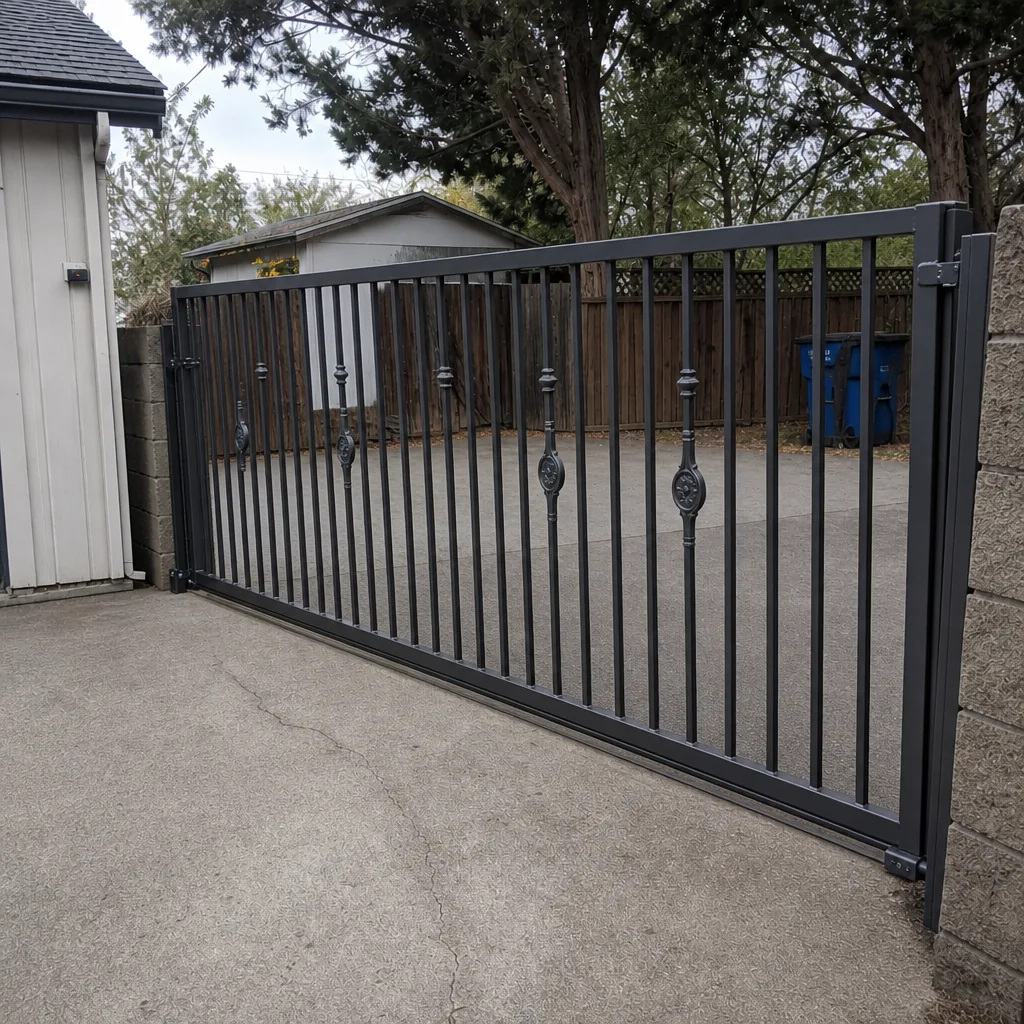
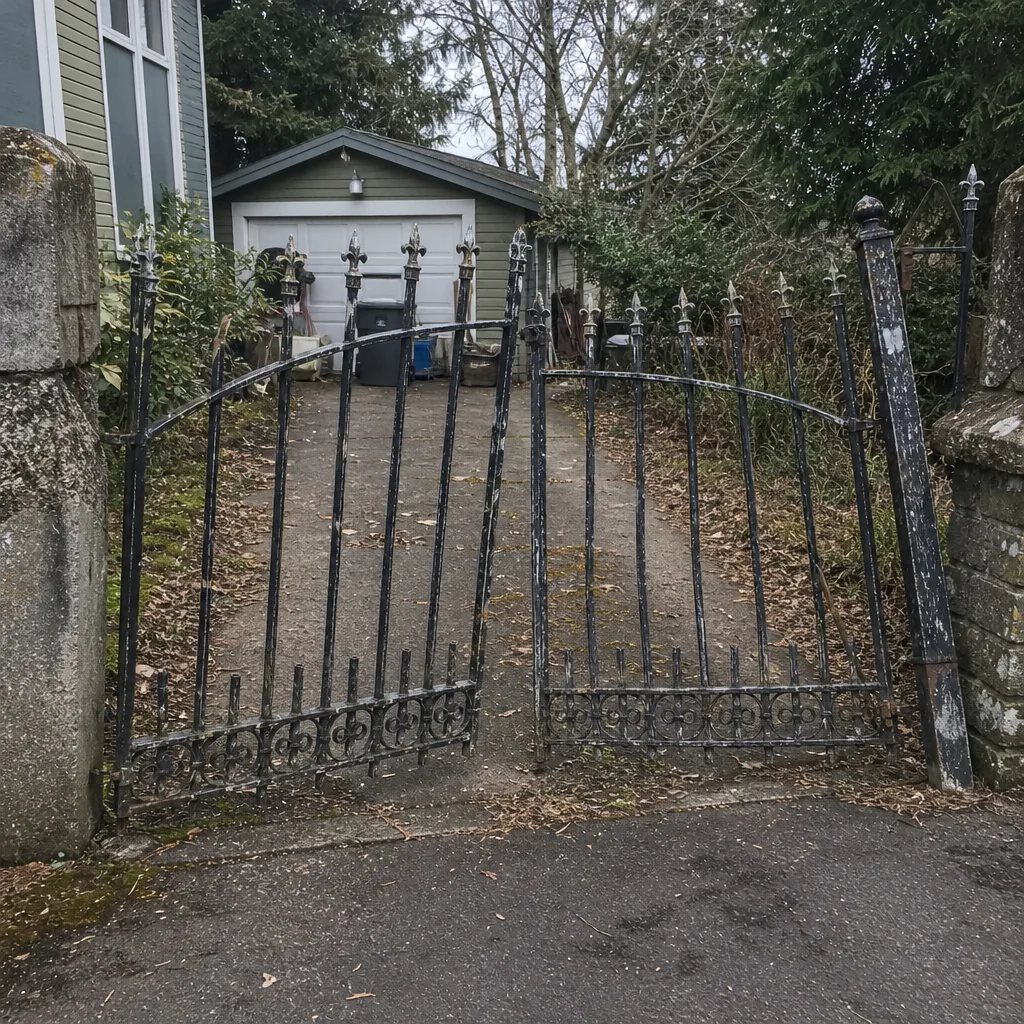
See the difference
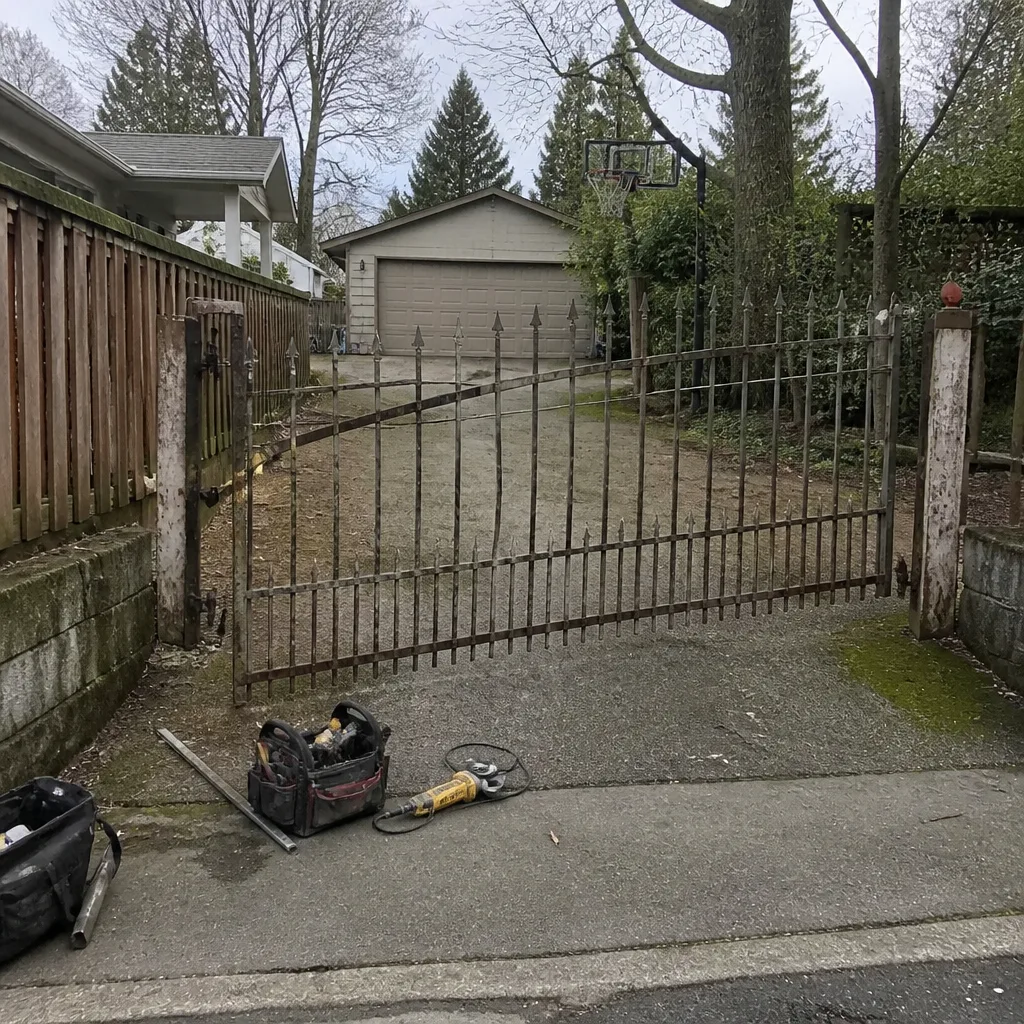 Before
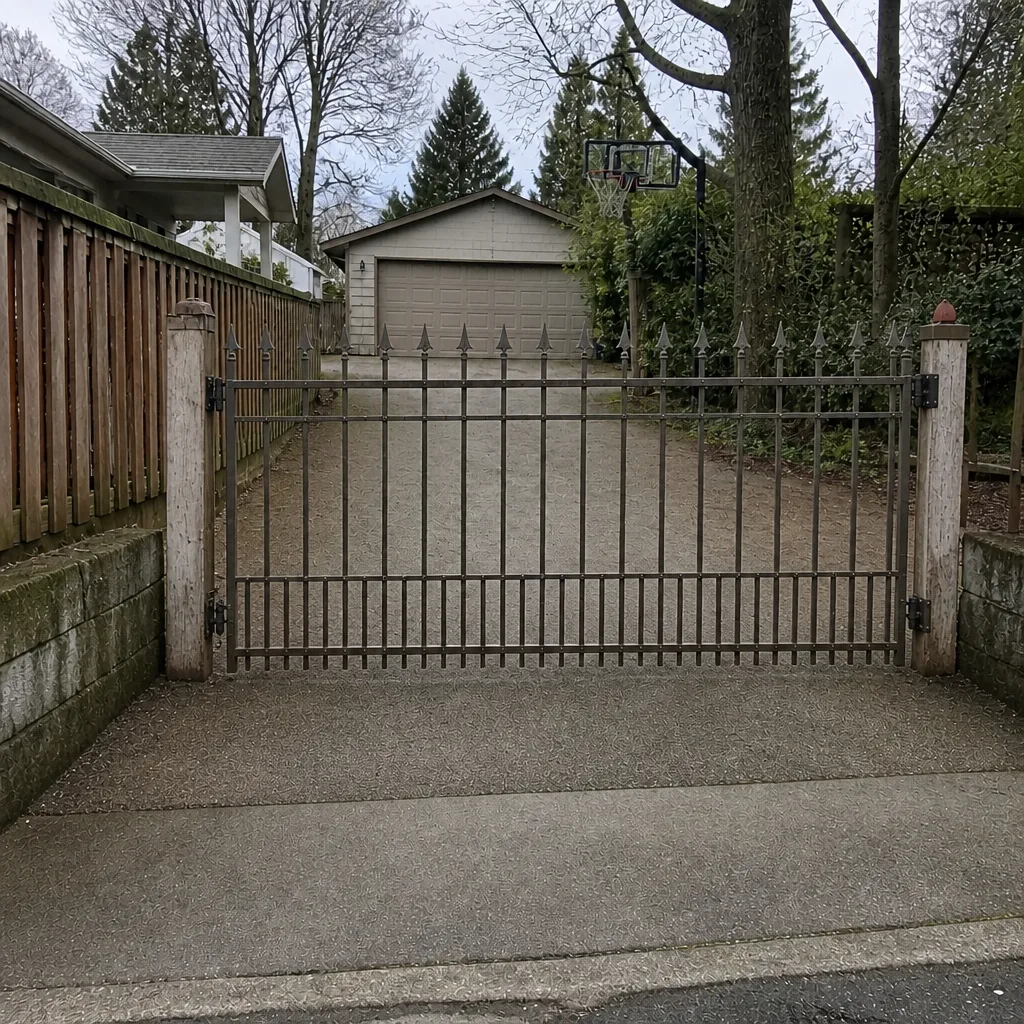 After
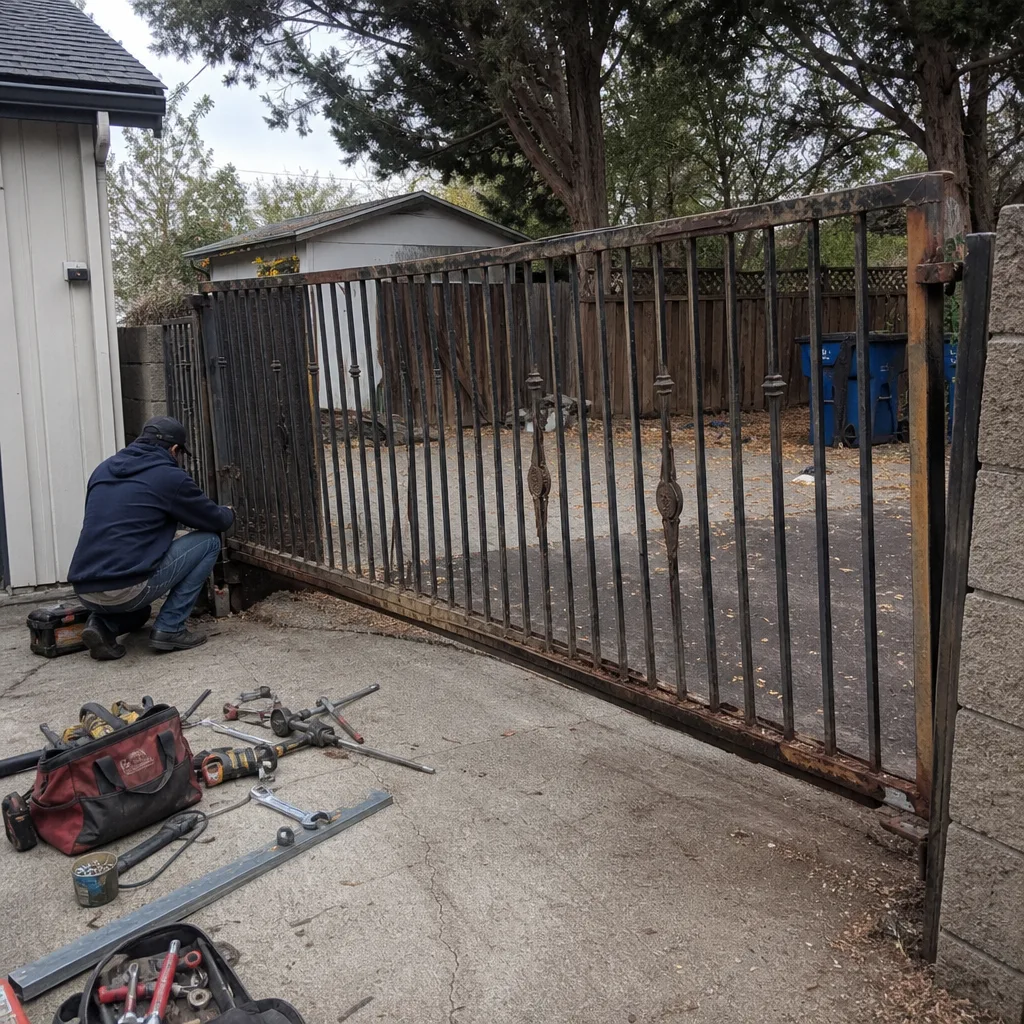 Before
 After
 Before
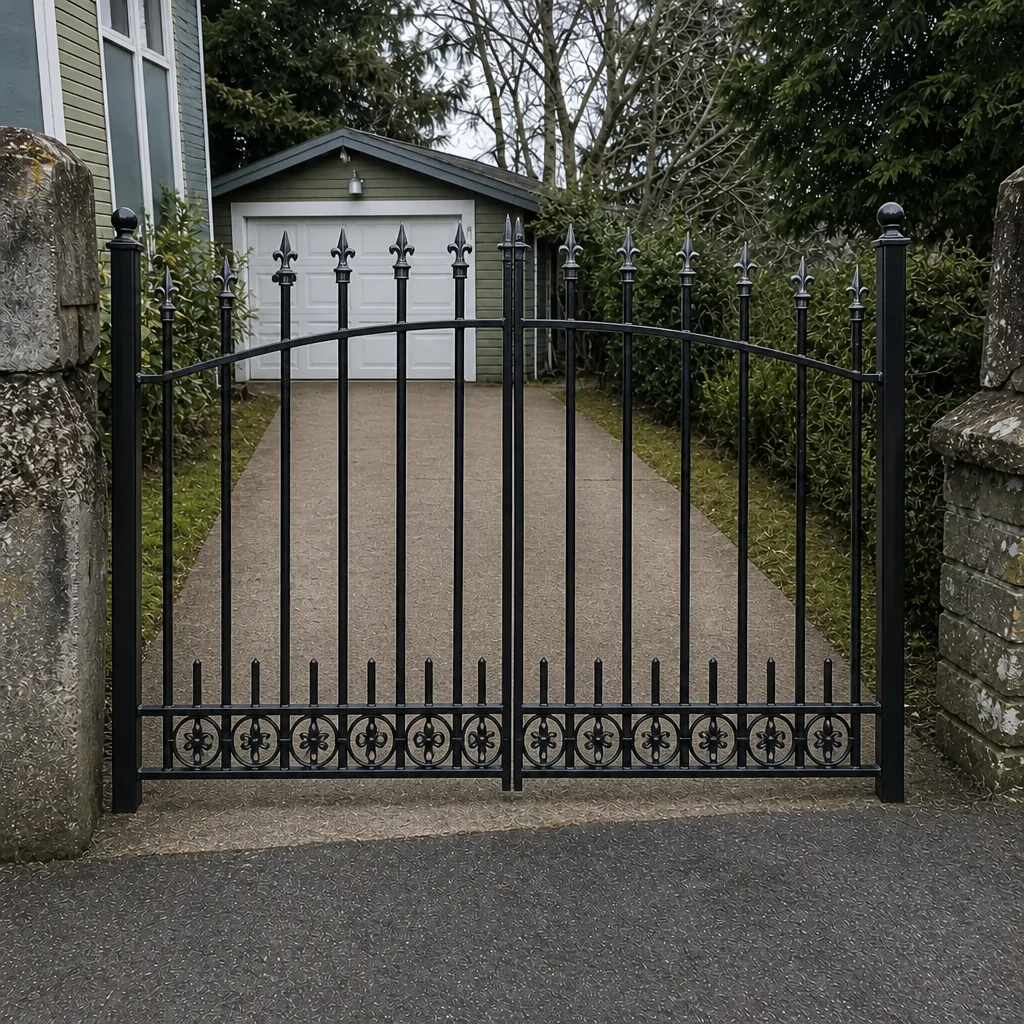 After
When to Call a Professional
Call a gate technician when the symptom is safety-critical: a panel that has dropped or is binding on a hinge, a slide gate off its track, a gate that won’t reverse on contact, exposed wiring at the operator or keypad, a breaker that trips when the gate powers up, or any burning smell or scorch at the operator housing. Also call when a convenience failure has clearly become mechanical: grinding at the drive gear, a motor that can’t hold the gate, a control board that keeps losing its limits, or a keypad or intercom that’s gone dead. If you’re not sure which category your gate is in, the safe move is to power it off and get a professional read. Gate Repair West Hills offers free estimates in West Hills and works on the brand you already have; call (877) 492-4403. Our technicians have up to 11 years of experience.
Frequently Asked Questions
The earliest signs are usually a hesitating start, a grinding noise during travel, or a hinge gap that’s slowly widening. Any change in how the gate sounds or moves is the signal to look closer before it turns into a stuck gate. Call (877) 492-4403 for an exact quote – estimates are free.
Gate repair costs depend on the fault and the brand, and we price per job after diagnosis so the written estimate sets the final price. A single worn hinge or roller is a smaller repair than a drive gear or a control board. Call (877) 492-4403 for an exact quote.
We can often point you in the right direction if you tell us the brand and the exact blink or flash pattern, but a full diagnosis is done on site. Note the pattern before you call – a LiftMaster, FAAC, or BFT board each reports faults its own way. Call (877) 492-4403 for an exact quote – estimates are free.
A gate that reverses on contact is a safety-critical fault, and a gate that reverses with nothing in the way is a warning sign that the safety edge or a photo-eye needs attention. In both cases, stop using the gate until a technician diagnoses it. Call (877) 492-4403 to book a diagnosis.
Repair is usually the right call when a single component has failed, like a hinge, roller, limit, or board, and the motor and drive are otherwise sound. Replacement makes more sense when a motor has been running against a binding gate long enough to wear the drive. A technician can tell you which you’re facing on site. Call (877) 492-4403 for an exact quote – estimates are free.
Yes. We handle both mechanical failures and electrical or automation faults so a single visit can cover a bad hinge and a control board or keypad problem. That includes access control programming, intercom integration, and operator diagnostics. Call (877) 492-4403 for an exact quote.
The Bottom Line
Your gate tells you what’s failing before it fails, if you know what to read. Grinding, clicking, flashing, reversing, and slow cycles each point at a specific component, and sorting those signs into safety-critical versus convenience failures is the most useful habit this guide can give you. Check the hinge gaps, the track, the arm linkage, and the safety edge each season. West Hills conditions work the wear parts harder, so a regular inspection catches most of what becomes an emergency. When a symptom crosses into the safety-critical column, or when a tired component has already shortened the life of others, get a professional read and a written estimate before you spend on the wrong repair.
Written by the team at Gate Repair West Hills.